
Why Solar Batteries Are Reshaping Energy Systems in 2026
Solar batteries are reshaping global energy systems in 2026 because they have become the most flexible, scalable, and cost effective way to stabilize electricity supply across homes, farms, telecom networks, factories, and national grids. Falling LFP battery prices, smarter inverters, and widespread solar adoption are accelerating a shift away from diesel and unstable grids toward clean, decentralized, always-available energy.
At the same time, extreme weather, blackout risks, and rising energy demand are pushing governments and enterprises to integrate storage as a core part of infrastructure rather than an optional add-on. As a result, solar batteries are no longer just backup devices, they are now essential assets enabling resilience, peak-shaving savings, off-grid reliability, and the transition to a more secure, renewable-powered future.
Solar batteries are one of the most transformative technologies in global energy infrastructure. From agricultural irrigation and livestock operations to telecom towers, hyperscale data centers, and national electric grids, energy storage is eliminating downtime, reducing diesel dependency, and increasing resilience against grid instability.
As battery prices continue falling and new chemistries such as solid-state LFP and LMFP enter commercial deployment, the value of solar battery systems continues to rise across both developing and developed markets. This comprehensive guide explores five high-impact sectors where solar battery adoption is accelerating: agriculture, telecom, large-scale digital infrastructure, grid stability, and next-generation battery innovation.
Agriculture is one of the most energy-intensive sectors in the world, and the shift from unstable grids and expensive diesel generators to solar battery storage is transforming how farms operate. From irrigation pumps and livestock climate control to greenhouse automation and rural security, solar batteries provide stability, lower cost, and long-term resilience.
As climate patterns shift and energy prices rise, solar battery adoption on farms is accelerating across Australia, South Asia, the Middle East, and Africa, regions where farmers increasingly need dependable power for 24/7 agricultural operations.
Note: The brands listed are not ranked in any particular order.
Disclaimer: The company names, founding dates, and addresses are sourced from publicly available information online.
Please note: The list in this guide is not exhaustive. There may be other reputable solar battery brands worth considering.
Solar Battery for Agricultural Use (Farms, Irrigation, Livestock)
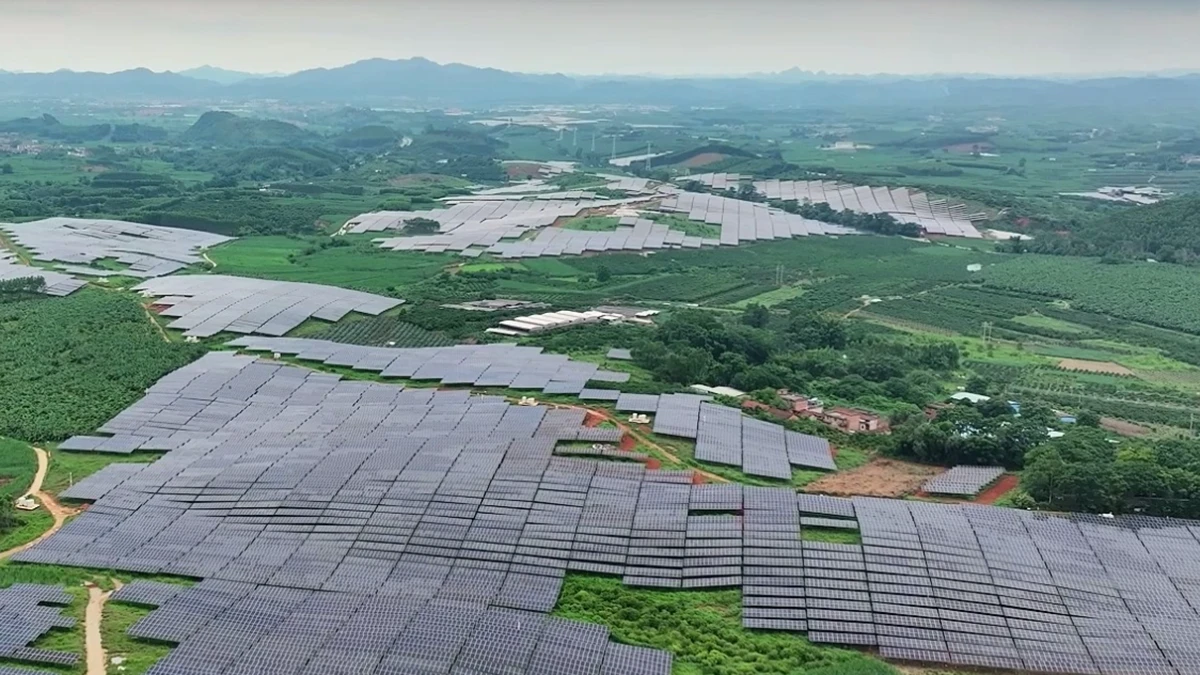
Agricultural electricity demand is unique: remote locations, high starting currents, long operating hours, and seasonal peaks. Solar battery storage bridges these challenges by providing reliable, high-availability energy even in the most isolated areas. By pairing solar panels with modern LFP (Lithium Iron Phosphate) batteries, farmers can eliminate diesel reliance, stabilize production, and significantly reduce costs over the long term.
Solar batteries are rapidly transforming agricultural operations by providing a stable, low-cost, and independent power source for farms, irrigation networks, and livestock facilities. Solar batteries for agricultur has long struggled with unreliable grid access, high diesel expenses, and the need for continuous energy to run pumps, climate-control equipment, and automated feeding systems.
Solar + battery storage directly solves these challenges by ensuring farmers have predictable, round-the-clock power for irrigation pumps, barn ventilation, greenhouse lighting, and perimeter fencing, even in remote locations far from the grid.
Beyond reliability, solar batteries help farmers significantly reduce operating costs while improving productivity and sustainability. By lowering diesel dependence by up to 95%, delivering cheaper energy per kWh, and supporting government incentives for renewable agriculture, solar storage systems create measurable financial benefits.
More consistent irrigation leads to higher crop yields, stable climates improve livestock health, and automated greenhouse systems run more efficiently. As a result, solar batteries are becoming an essential infrastructure upgrade for modern agriculture, enabling farms to operate smarter, cleaner, and more profitably.
Why Farms Are Adopting Solar Battery Storage?
Solar + battery storage systems are becoming essential in agriculture because they deliver a dependable, predictable energy supply without fuel logistics, noise, or high running costs. Farmers benefit from reliable power in remote fields, zero fuel cost and minimal maintenance, strong performance in hot climates, long device lifespan (10–15 years for LFP batteries), lower total cost of ownership vs diesel or grid electricity.
Farms are increasingly adopting solar battery storage because it solves some of the biggest operational challenges in agriculture: unreliable grid supply, rising diesel costs, and the need for consistent power across remote fields. Solar batteries provide farmers with dependable, on-demand energy for irrigation pumps, livestock barns, climate-control systems, and automated equipment, ensuring operations continue smoothly even during blackouts or peak-demand periods. This combination of reliability and independence allows farms to maintain critical processes like watering cycles, ventilation, and crop monitoring without interruptions.
At the same time, solar battery storage dramatically reduces a farm’s long-term energy expenses. By capturing excess solar power and using it during evening hours or cloudy days, farmers cut diesel consumption by up to 60–95% and lower electricity costs to some of the cheapest levels available. This not only boosts profit margins but also reduces maintenance, fuel logistics, and emissions. As governments expand subsidies for renewable-powered agriculture, solar batteries have become one of the most cost-effective upgrades for modern, sustainable farming.
Irrigation Pumps & Groundwater Extraction
Irrigation is among the largest energy loads on farms. Solar batteries support this need by enabling stable voltage and current to power pump motors without fluctuation, night-time irrigation during low evaporation hours, lower cost per kWh compared with diesel pumps, massive reductions in maintenance, and greater crop consistency due to reliable water schedules.
This makes solar batteries ideal for bore pumps, submersible pumps, drip irrigation, and flood irrigation systems.
Modern barns rely on mechanical systems to maintain animal health, ventilation fans, cooling pads, space heaters, automatic feeders and lighting and monitoring systems. Solar batteries provide uninterrupted power during heatwaves and seasonal peak demand, preventing livestock stress and production losses.
Greenhouses & Controlled Agriculture
Controlled-environment agriculture depends heavily on continuous electricity. Solar batteries reliably power for nutrient dosing and fertigation pumps, LED grow lighting for photoperiod control, HVAC and dehumidifying equipment and automated monitoring sensors and controllers.
This helps stabilize micro-climates, improve yield consistency, and reduce operating costs. Remote farm fencing requires round-the-clock operation. Solar batteries enable 24/7 fencing energizers, wildlife and livestock perimeter monitoring, security cameras and motion sensors, and remote telemetry for large farms.
Solar fencing systems are especially valuable in regions with wildlife incursions or theft risks.
Economic Benefits for Agricultural Users
Solar battery storage is not only an energy solution, it is a long-term economic investment for farm operations. Diesel is volatile in price, difficult to transport to remote areas, and expensive to maintain. Solar + battery systems reduce diesel consumption by 60–95%, dramatically lowering operational costs throughout the year.
With LFP solar batteries, farms can often achieve electricity costs under $0.10 per kWh, far cheaper than diesel-powered pumping, grid electricity in rural areas and peak electricity tariffs. This cost stability helps farmers forecast budgets more accurately.
Stable and consistent energy leads to fewer irrigation interruptions and crop losses, optimized watering cycles throughout the day, better livestock health and reduced stress and higher greenhouse yields thanks to precise environmental control. Improved reliability often translates into higher revenue and lower risk.
Many countries support solar irrigation and rural electrification through capital subsidies, low-interest loans, carbon credit programs and feed-in tariffs for excess power export. These incentives improve ROI and accelerate adoption in agricultural regions.
Solar Battery for Data Centers or Telecom Towers Backup
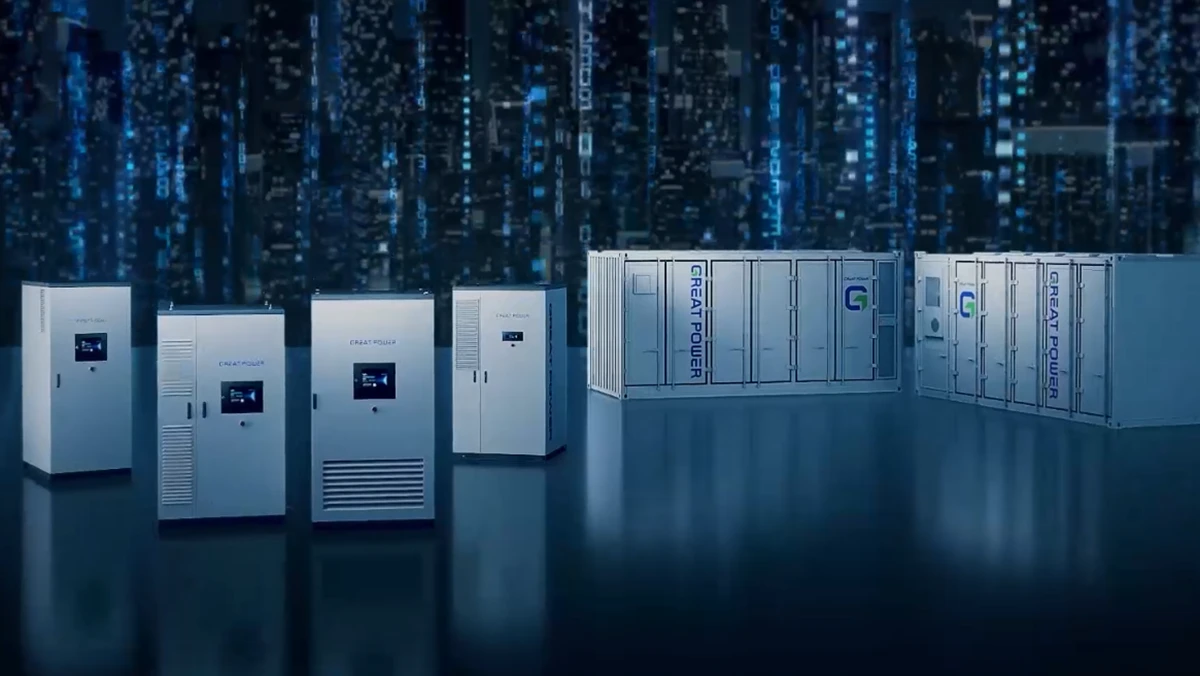
As the world becomes increasingly reliant on mobile networks, cloud computing, AI servers, and digital services, the demand for uninterrupted electricity has never been higher. Telecom towers and data centers, two of the most critical components of global connectivity, cannot afford even a few seconds of power interruption.
Traditionally powered by grid electricity and diesel generators, both industries are now transitioning toward solar battery storage to reduce outages, improve sustainability, and minimize fuel costs. Modern LFP (Lithium Iron Phosphate) batteries, paired with smart energy management systems, are reshaping how operators maintain uptime, stabilize loads, and meet energy-efficiency targets.
Digital infrastructure depends entirely on power continuity. A single network outage can interrupt millions of mobile users, while a brief data center failure can disrupt financial systems, cloud platforms, or mission-critical enterprise operations. Solar battery storage provides a resilient alternative to aging diesel-based systems by offering cleaner, quieter, and more stable energy. As solar energy becomes cheaper and LFP batteries achieve longer cycle life, the economics and reliability become impossible to ignore for large-scale digital operations.
Solar + Battery Systems for Telecom Towers
Telecom towers are typically located in remote, rural, or hard-to-reach areas where the electrical grid is unstable or nonexistent. Historically, these sites relied heavily on diesel generators, but operators are now shifting to solar + battery systems because they offer long-term predictability and significant OPEX reductions.
Telecom companies are phasing out diesel generators due to growing operational and geopolitical challenges. Key drivers include lower OPEX which solar batteries drastically reduce fuel consumption and generator maintenance costs. A major problem in many regions, particularly in Africa, South Asia, and Latin America are reduced fuel theft. Batteries require far fewer service visits compared to mechanical generators.
This makes solar battery storage not only a cost-saving measure, but also a strategic shift toward more secure, environmentally sound infrastructure.
Solar Storage for 24/7 Network Uptime
Telecom towers typically operate at relatively small but continuous loads, often 1–3 kW per tower. This makes them ideal for hybrid solar-powered systems where solar panels provide daytime energy, batteries store surplus energy for night-time operation and diesel generators (if retained) serve only as emergency backup. The result is significantly improved uptime, even in regions with unreliable grids.
Advanced BMS (Battery Management System) features are essential for telecom networks, especially in remote sites. Modern batteries now include remote monitoring which is real-time tracking of voltage, SOC, temperature, load profile, and alarms, ensures stable operation in hot climates where tower cabinets heat up above 50°C and prevents unauthorized removal or tampering of batteries. These features reduce downtime, technician dispatches, and operational risks.
Solar Storage for Data Centers
Data centers, from Tier I web-hosting facilities to Tier IV hyperscale cloud centers, operate under the strictest reliability requirements. Even milliseconds of disruption can cause system crashes, database corruption, or expensive SLA violations. While diesel generators remain essential for long-duration backup, batteries are increasingly used to support sustainability, continuity, and cost management.
Data centers face enormous demand charges during peak grid hours. Solar batteries help offset this by discharging energy during expensive time-of-use periods, flattening the power profile and avoiding costly demand spikes. This directly reduces OPEX and stabilizes long-term electricity expenses.
Ride-Through Power
Solar batteries provide instantaneous backup power during grid interruptions, bridging the gap until diesel generators start (usually 5–30 seconds). This prevents server crashes, database failures, network interruptions and loss of redundancy in multi-grid configurations. The combination of UPS + batteries + generators creates a seamless power reliability chain.
Many global data centers are adopting clean energy strategies. Solar batteries support these goals by helping operators reduce carbon footprint by replacing fossil-based electricity, meet ESG and sustainability targets set by governments and investors and improve PUE (Power Usage Effectiveness) by reducing cooling and power conversion losses.
As solar energy grows cheaper, integrating sustainable power becomes a competitive advantage.
Data centers are evolving beyond just energy consumers. With large battery banks, they can participate in energy markets by providing frequency regulation, demand response participation and virtual power plant (VPP) networks which is aggregating battery resources to support the grid. This creates new revenue streams and offsets operational expenses.
How Solid-State Batteries Could Change the Solar Battery Industry?
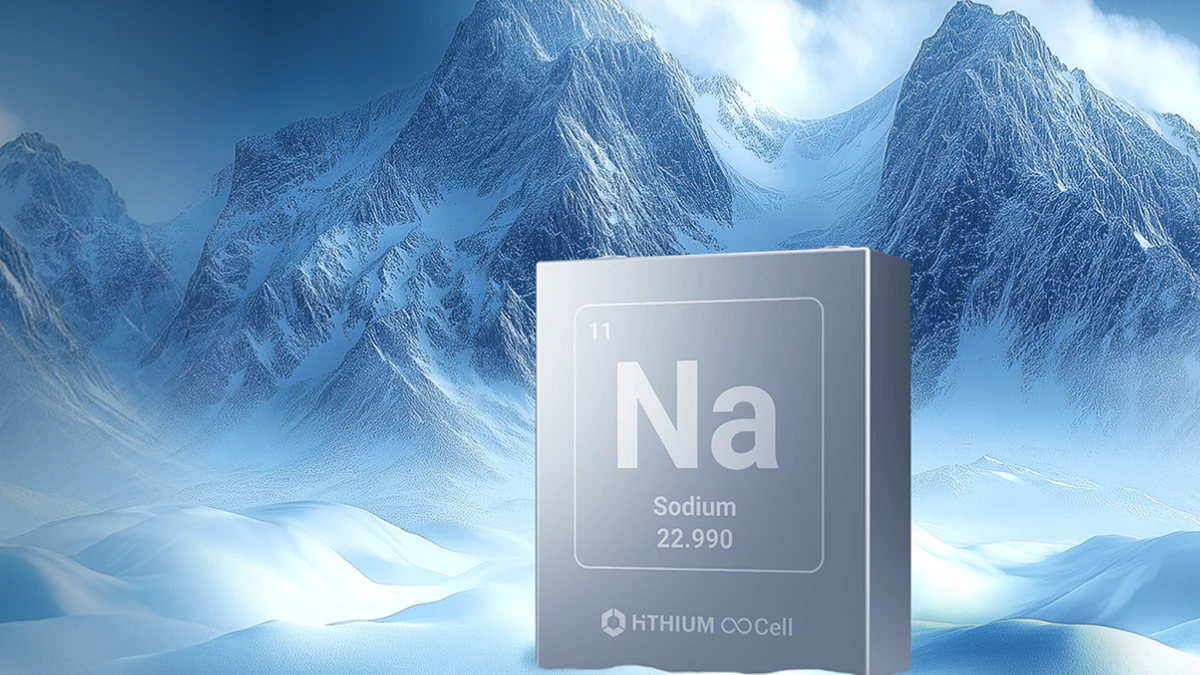
Solid-state batteries are widely considered the next major breakthrough in renewable energy storage. While commercial adoption is still in the early stages, the technology has the potential to redefine how solar energy is captured, stored, and used across residential, commercial, and industrial applications. From higher energy density to unmatched safety performance, solid-state batteries could become the foundation of future solar storage systems and reshape the global clean-energy landscape.
What Makes Solid-State Batteries Different?
Solid-state batteries differ fundamentally from traditional lithium-ion batteries because they eliminate the flammable liquid electrolyte and replace it with a solid one. This shift dramatically changes safety, performance, lifespan, and efficiency characteristics, all of which are high-impact factors for solar battery applications.
The core innovation of solid-state batteries is the use of a solid electrolyte. This single change brings several key advantages. For example, solid electrolytes are non-flammable and more stable, drastically reducing risks of fire, thermal runaway, or leakage. They operate safely across wide temperature ranges, making them suitable for harsh climates. Solid electrolytes can support the use of lithium metal anodes, increasing volumetric and gravimetric energy density.
As a result, solid-state batteries can store more energy in smaller, safer, and more durable packages, which is especially valuable in solar installations with space constraints.
Longer Cycle Life
One of the most promising characteristics is the projected cycle life. Many early prototypes demonstrate 10,000–20,000 charge cycles, far exceeding today’s mainstream LFP or NMC batteries. This extended lifetime could reduce battery replacement frequency and dramatically improve the total cost of ownership in long-term solar applications.
Faster Charging
Solid electrolytes allow faster ion movement compared with liquid electrolytes. This enables shorter charge times, higher power-rate acceptance and more efficient daily cycling for solar households or commercial facilities. Faster charging is particularly beneficial for off-grid systems, energy-intensive homes, and peak-shaving use cases where rapid energy replenishment matters.
Impact on Solar Battery Systems
The adoption of solid-state batteries could bring remarkable benefits to solar energy systems of all shapes and sizes. These improvements could fundamentally change system design, installation strategies, and long-term economics. Because solid-state batteries can deliver much higher energy density, solar battery systems would require significantly less physical space. This is especially valuable in rooftop solar with limited indoor storage space, telecom racks and data centers.
Higher energy density also opens new possibilities for microgrids, RVs, marine solar setups, and portable solar power systems.
Extreme Temperature Performance
Solid-state batteries offer reliable operation even in freezing temperatures, high-heat desert climates and industrial zones with constant thermal fluctuation. This makes them a powerful choice for agricultural solar projects, remote telecom towers, and regions with unstable climate conditions where standard lithium batteries often struggle.
Lower Long-Term Costs
Although upfront prices are higher today, solid-state batteries promise significantly lower costs over time because of their long lifespan, reduced maintenance and higher cycle efficiency. The result is a lower cost per cycle, meaning the total energy delivered over the battery’s lifespan is more cost-efficient than traditional chemistries.
Challenges Before Mass Adoption
Despite the advantages, solid-state batteries face several major roadblocks. These must be resolved before the technology becomes widely used in solar applications. Today, solid-state batteries cost 2 times more than conventional LFP batteries. This is due to its complex material preparation, precision manufacturing requirements and limited supply chain maturity.
Costs are expected to drop with industrial scaling, but affordability remains a barrier for now. Producing solid-state batteries requires completely new manufacturing lines, not simple modifications of existing lithium-ion factories. Scaling the technology will require large-scale investments, new supply chains and new quality-control systems. This slows down commercial adoption and keeps supply limited.
Only a handful of companies currently manufacture solid-state batteries at small scale. Industry analysts expect commercial availability to expand significantly after 2027, when more factories come online and costs begin to decline.
Solar Batteries Are the Backbone of Modern Energy Systems
Solar batteries have become the core technology enabling the world’s transition toward cleaner, more resilient, and more decentralized energy systems. As solar adoption accelerates, energy storage ensures that renewable power is not limited by weather or daylight, allowing homes, businesses, and industries to operate with stable and predictable electricity. From rural off-grid cabins to advanced commercial microgrids, solar batteries now serve as the foundation that transforms intermittent solar generation into a reliable 24/7 energy supply. Their role is no longer optional — they are essential for energy independence, grid stability, and long-term sustainability.
Looking ahead, continued advancements such as solid-state batteries, AI-driven energy management, and distributed virtual power plants will push solar storage into an even more strategic position. Solar batteries will not only power buildings but also support national grids, strengthen blackout resilience, enable electric mobility, and reduce peak-hour demand. With costs continuing to decline and performance steadily improving, solar batteries are becoming the backbone of modern energy systems and the catalyst that drives global clean-energy transformation.
Solar battery technology has moved beyond powering homes, it is now becoming a central element of agriculture, digital infrastructure, telecom networks, grid stability, and future low-carbon industries. As energy needs evolve and new battery chemistries like solid-state emerge, solar batteries will continue shaping how global energy is produced, distributed, and consumed.
If you would like to know more about solar battery energy storage systems, please refer to the page The 10 Best Solar Battery Energy Storage System Manufacturers in China (Approved in 2025).