
Why Solar Batteries Matter Today?
Over the past decade, solar energy has gone from being an eco-friendly luxury to a practical, cost-saving solution for residential and commercial energy storage around the world. But while solar panels are the most visible part of the system, there’s another key player in the clean energy game – solar batteries.
Solar batteries store the energy your solar panels generate during the day, so you can use it later at night, during cloudy weather, or even when the grid goes down. Without storage, much of the solar energy you produce could go to waste.
Are you learning about solar battery basics with solar panels, solar inverter and solar batteries to grow your solar acknowledges?
In this guide, we’ll break down everything you need to know about solar battery basics, how they work, the different types, efficiency ratings, best practices, and whether they’re the right investment for you in 2025 and beyond.
Note: The brands listed are not ranked in any particular order.
Disclaimer: The company names, founding dates, and addresses are sourced from publicly available information online.
Please note: The list in this guide is not exhaustive. There may be other reputable solar battery brands worth considering.
- Why Solar Batteries Matter Today?
- What Is a Solar Battery and How Does It Work?
- Types of Solar Batteries (Lithium-ion, lead-acid, flow battery, etc.)
- Solar Battery vs Grid Power: Pros and Cons
- Solar Battery Efficiency and Round-Trip Efficiency
- Depth of Discharge (DoD) and State of Charge (SoC) Explained
- Solar Battery Discharge & Charge Cycles: Best Practices
What Is a Solar Battery and How Does It Work?

Think of a solar battery like a rechargeable power bank for your house. During the day, your solar panels collect sunlight and turn it into electricity. The extra power you don’t use right away flows into the battery instead of going back to the grid. Then, when you need it, like at night, you pull electricity from the battery.
As more homeowners and businesses turn to renewable energy, solar panels alone are no longer enough. Without storage, much of the electricity they produce during the day gets sent back to the grid, or worse, wasted. This is where a solar battery system comes in.
Key Components of a Solar Battery System
By storing solar power for later use, you can run your home at night, keep appliances on during blackouts, and reduce dependence on the grid. But to understand how a solar battery system works, we need to look at its core components, solar panels, solar Inverters, solar batteries and Battery Management System (BMS).
Solar Panels: Collecting Sunlight and Generating Power
Solar panels are the starting point of any solar energy system. They capture sunlight and convert it into direct current (DC) electricity.
How Solar Panels Work? It mades up of photovoltaic (PV) cells, usually silicon-based, when sunlight hits the cells, it creates an electric charge, that charge produces DC electricity, which can later be stored in a solar battery.
Without solar panels, there’s nothing to charge the battery. The more efficient your panels, the faster and more effectively your solar battery can store power.
If you’re considering batteries, make sure your solar panels are sized correctly to generate enough extra electricity for storage.
Inverter: Converting DC to AC for Your Home
Most homes and appliances run on alternating current (AC), not DC. That’s why the inverter is a critical part of the system.
What Does an Inverter Do? It converts DC power from solar panels or batteries into usable AC power and ensures the electricity is safe and stable for household devices, it synchronizes with the grid (if you are connected) for smooth power flow.
What are Some Types of Inverters?
- String inverters: One central inverter for the entire system.
- Microinverters: Installed on each panel, improving efficiency in shading.
- Hybrid inverters: Designed to work with solar panels and batteries together, it includes on-grid inverter and off-grid inverter.
A poor-quality inverter can reduce overall system efficiency. For solar batteries, a hybrid inverter is often the best choice since it allows energy to flow seamlessly between panels, batteries, and the grid.
Solar Battery: Storing Energy for Later Use
The solar battery is the heart of the system. It stores excess electricity so you can use it when the sun isn’t shining.
How Solar Batteries Work? During the day, extra solar energy is stored instead of being sent back to the grid. At night or during outages, stored power is released to run your home.
What are Some Types of Solar Batteries?
- Lithium-ion batteries: Most popular in 2025; long lifespan (10–15 years), high efficiency, low maintenance.
- Lead-acid batteries: Cheaper but bulkier and shorter-lived (3–5 years).
- Flow batteries: Very long-lasting, more suitable for commercial use.
There are many benefits of solar batteries, such as it helps to lower energy bills by reducing grid reliance, backup power during outages and bring greater energy independence.
Battery Management System (BMS): The Brain of the Operation
The Battery Management System (BMS) is often overlooked, but it’s one of the most important parts of a solar battery setup. It helps to monitor battery health and performance, balance charging and discharging across all cells, prevent overcharging, overheating, or deep discharges and extend battery lifespan by protecting against damage.
Without a proper BMS, your solar battery could degrade faster, become unsafe, or fail prematurely. It acts like a traffic controller, ensuring energy flows in and out of the battery smoothly and safely.
How These Solar Components Work Together
A complete solar battery system works efficiently through the cooperation of its key components. Solar panels capture sunlight and generate DC electricity, while the inverter converts it into AC power for home use. Any excess energy is stored in the battery, which is regulated by the Battery Management System (BMS) to ensure safe charging and discharging.
At night or during power outages, the stored energy is converted back into AC power through the inverter to keep the home running, creating a closed-loop cycle of energy use.
Installing a complete solar battery system brings multiple benefits. It helps households reduce reliance on the grid and achieve energy independence, while also saving money by avoiding peak electricity rates.
At the same time, using clean energy lowers carbon emissions, making it more environmentally friendly. In addition, the system provides backup power during outages, increasing stability and safety for everyday life.
A solar battery system is more than just the battery itself. To work efficiently and safely, it needs well-sized solar panels, a high-quality inverter, and a reliable Battery Management System (BMS).
Each part plays a critical role: panels generate energy, the inverter makes it usable, the battery stores it, and the BMS keeps it safe. Together, they form a complete solution that empowers homeowners and businesses to take control of their energy future.
If you’re considering investing in solar batteries, don’t just look at capacity or cost, make sure you understand the entire system. That’s the key to long-term savings and sustainable living.
Types of Solar Batteries (Lithium-ion, lead-acid, flow battery, etc.)
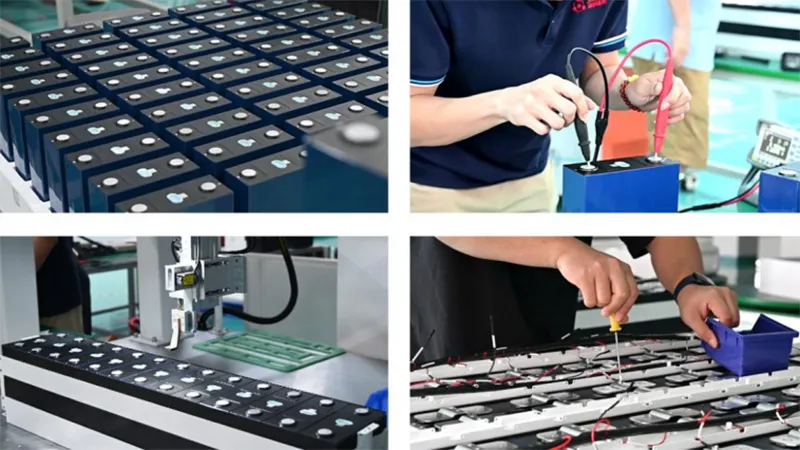
When you install solar panels, adding a battery can transform your system. Instead of sending unused power back to the grid, a solar battery lets you store energy for later use, at night, on cloudy days, or during a blackout.
But not all solar batteries are the same. They differ in technology, lifespan, cost, and efficiency. Understanding the main types of solar batteries helps you pick the best option for your home or business.
Some of the most common solar battery types are Lithium-ion batteries, Lead-acid batteries, Flow batteries and Nickel-based batteries (less common but still relevant).
Lithium-Ion Solar Batteries: The Most Popular Choice
Lithium-ion (Li-ion) batteries store energy by moving lithium ions between a positive and negative electrode. They are the same technology used in smartphones, laptops, and electric vehicles, but scaled up for solar use.
Advantages
- High efficiency (90–95%): Less energy is lost during charging and discharging.
- Long lifespan: Typically lasts 10–15 years or 4,000–6,000 cycles.
- Compact and lightweight: Saves space compared to bulky alternatives.
- Low maintenance: Requires little user attention.
Disadvantages
- Higher upfront cost compared to lead-acid.
- Sensitive to extreme heat if not properly cooled.
Lithium-Ion solar battery is suitable for homeowners looking for long-term value and Areas with frequent blackouts, or anyone wanting the most efficient solar battery technology in 2025.
Lead-Acid Solar Batteries: Traditional but Affordable
Lead-acid batteries have been around for over 100 years. They store energy using lead plates submerged in an acid solution. It includes Flooded lead-acid (FLA) battery requires regular maintenance like topping up water, and Sealed lead-acid (SLA) battery maintenance-free and safer but slightly more expensive.
Advantages
- Low cost: Much cheaper upfront than lithium-ion.
- Proven technology: Reliable and widely available.
Disadvantages
- Shorter lifespan: Typically 3–5 years or 500–1,500 cycles.
- Bulky and heavy: Takes up more space.
- Lower efficiency (70–80%): More energy is lost in the process.
Lead-Acid solar batteries are suitable for budget-conscious buyers and off-grid systems where low cost is more important than long lifespan.
Flow Batteries: The Long-Lasting Option
Flow batteries store energy in liquid electrolytes contained in external tanks. The amount of energy stored depends on the size of the tanks, making them scalable.
Advantages
- Very long lifespan: Can last 20+ years.
- Easily scalable: Just add bigger tanks for more storage.
- Safe and stable: Less risk of overheating or fire.
Disadvantages
- High upfront cost: More expensive than lithium-ion or lead-acid.
- Large size: Takes up significant space, not ideal for small homes.
Flow batteries are good for commercial & industrial projects and homeowners with large solar systems who want maximum durability.
Nickel-Based Solar Batteries: Rare but Useful in Specific Cases
Nickel-based batteries (like nickel-cadmium) use nickel oxide hydroxide and metallic cadmium to store energy. They are less common in solar applications but still used in certain industries.
Advantages
- Durable in extreme temperatures: Works well in very hot or cold climates.
- Long cycle life compared to lead-acid.
Disadvantages
- Expensive compared to lead-acid.
- Environmental concerns: cadmium is toxic if not recycled properly.
Nickel-based solar batteries are feasible for specialized applications, remote locations, or harsh environments.
| Battery Type | Lifecycle | Efficiency | Cost | Best Use Case |
| Lithium-ion | 10–15 yrs | 95–99% | High | Homes, backup, long-term use |
| Lead-acid | 3–5 yrs | 70–80% | Low | Budget-friendly, off-grid |
| Flow batteries | 20+ yrs | 75–85% | Very High | Commercial & large storage |
| Nickel-based | 10–15 yrs | 70–85% | High | Extreme climates, niche uses |
Which Solar Battery Type Is Best in 2025?
If you’re wondering which battery type is best for you, Choose Lithium-ion if you want the most efficient, long-lasting, and space-saving option. Choose Lead-acid if you’re on a tight budget and don’t mind replacing batteries every few years. Choose Flow batteries if you need commercial-scale or very long-term storage. Choose Nickel-based only for special applications in extreme environments.
The type of solar battery you choose depends on your budget, energy needs, and long-term goals. For most homeowners in 2025, lithium-ion is the best balance of efficiency, reliability, and lifespan. For budget setups, lead-acid remains a practical choice. For businesses or large energy storage needs, flow batteries provide unmatched longevity.
By understanding the differences, you can make a smart investment that helps you save money, reduce reliance on the grid, and embrace a cleaner energy future.
Solar Battery vs Grid Power: Pros and Cons
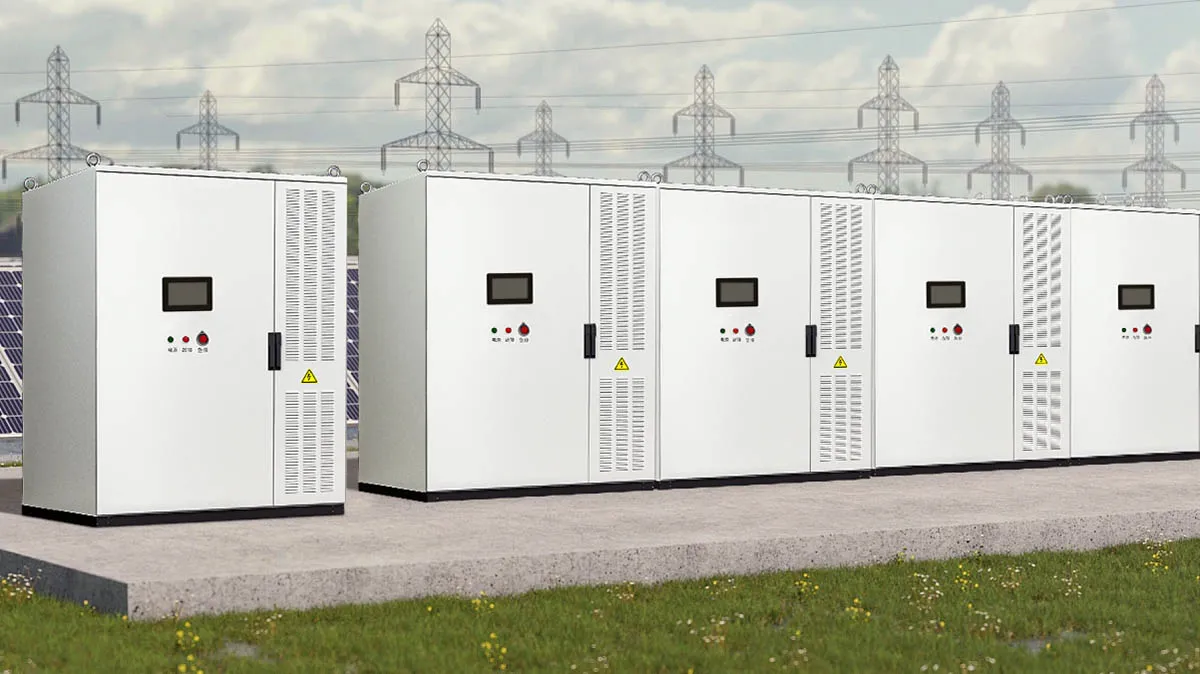
As energy costs rise and climate change becomes a global concern, more homeowners and businesses are asking: Should I rely on solar batteries or stick with grid power? Both options have clear advantages and drawbacks, and the right choice depends on your location, budget, and long-term energy goals.
Let’s compare solar battery storage vs grid electricity, highlighting the pros and cons of each. This way, you can make an informed decision about what works best for your home or business.
What is Grid Power? Grid power refers to electricity supplied by your local utility company. It’s generated from different sources, such as coal, natural gas, nuclear plants, or renewable energy like solar and wind. You pay your utility provider based on your monthly usage, often measured in kilowatt-hours (kWh).
What is a Solar Battery? A solar battery is a storage device that captures and stores excess energy produced by solar panels. Instead of sending unused energy back to the grid, you can keep it for later, like at night or during a power outage. Popular types of solar batteries include lithium-ion and lead-acid batteries, each with different lifespans and costs.
Advantages of Solar Batteries
- A solar battery allows you to generate and use your own power, reducing reliance on the grid.
- Great for rural areas or regions with unstable electricity.
- When the grid goes down, homes with batteries can keep the lights on, run essential appliances, and stay safe.
- Store energy during the day and use it at night when utility rates are higher (time-of-use pricing).
- Energy Independence
- Backup Power During Outages
- Lower Energy Bills
- Eco-Friendly: Encourages the use of renewable solar energy, cutting carbon emissions.
- Long-Term Savings: While the upfront cost is high, solar batteries can save money over time by reducing dependence on rising utility prices.
Disadvantages of Solar Batteries
- High Initial Cost: Solar batteries can cost between $5,000 and $15,000 depending on size and brand.
- Limited Storage Capacity: Batteries can only store a certain amount of energy, so running large appliances continuously may drain power quickly.
- Maintenance and Lifespan: Lithium-ion batteries last around 10–15 years, but they eventually need replacement.
- Not Always Necessary: In areas with cheap and stable electricity, the payback period for solar batteries may not be worth it.
Advantages of Grid Power
- Reliable and Widely Available: Power is always accessible as long as you’re connected to the grid.
- Lower Upfront Cost: No need for large investment in batteries; you only pay monthly bills.
- Scalability: Grid electricity can handle any level of demand without worrying about battery capacity.
- Utility Incentives: In some regions, net metering allows homeowners with solar panels to sell unused energy back to the grid, lowering costs.
Disadvantages of Grid Power
- Rising Energy Costs: Utility prices continue to increase every year, affecting your long-term expenses.
- Vulnerability to Outages: Storms, natural disasters, and technical failures can cut off electricity without backup options.
- Environmental Concerns: Many grids still rely on fossil fuels, contributing to greenhouse gas emissions.
- Lack of Energy Independence: Full reliance on the grid means you have little control over how your energy is generated or priced.
Initial installation of solar battery + panels can cost between $15,000–$25,000, depending on system size. Over time, savings on electricity bills may offset costs, especially in high-rate regions.
Grid Power has no upfront investment, but monthly bills add up. In 20 years, the average household may spend $30,000–$40,000 on electricity.
Choose solar battery If you live in an area with frequent power outages, your utility rates are high or you want energy independence and eco-friendly living.
Stick with grid power if your electricity costs are relatively low, your area has stable, reliable grid service or you don’t want to invest heavily upfront.
The debate between solar batteries vs grid power isn’t about one being better than the other, it’s about what works best for you. If you value independence, resilience, and long-term savings, a solar battery system may be worth the investment. If you prefer low upfront costs and simplicity, sticking with grid power may be more practical.
For many, a hybrid solution is the sweet spot, blending the cost benefits of grid power with the security of solar battery backup. By weighing these pros and cons, you can make the best choice for your home or business while moving toward a more sustainable future.
Solar Battery Efficiency and Round-Trip Efficiency

When it comes to solar energy storage, one of the most important factors homeowners and businesses consider is efficiency. Solar panels may generate power, but how much of that energy you can actually store and reuse depends largely on your solar battery’s efficiency. A key concept here is round-trip efficiency, which tells you how much electricity is lost during the charging and discharging process.
What is Solar Battery Efficiency?
Solar battery efficiency measures how effectively a battery can store energy from solar panels and deliver it back for use. In other words, if your solar panels send 10 kilowatt-hours (kWh) of energy into a battery, how many kWh can you actually use later?
- A high-efficiency solar battery will return most of that energy with minimal losses.
- A low-efficiency battery will waste more energy during charging, storage, or discharging.
What is Round-Trip Efficiency?
Round-trip efficiency is the most important metric for measuring solar battery performance. It represents the ratio of energy you get out of the battery compared to the energy you put in.
For example, if you put 10 kWh of energy into your battery, and you can retrieve 9 kWh, the round-trip efficiency is 90%. The 1 kWh loss is due to heat, internal resistance, and system inefficiencies.
How to Maximize Solar Battery Efficiency
It’s important to note that overall system efficiency also depends on your solar inverter. While batteries store energy in DC (direct current), most household appliances run on AC (alternating current). The inverter converts DC to AC, and this process typically has 95–98% efficiency.
That means if you combine inverter losses with battery round-trip losses, your usable energy might be slightly lower than the battery’s advertised efficiency. so how to maximize solar battery efficiency?
- Choose the Right Battery Type: How Lithium-ion offers the best balance of cost, lifespan, and efficiency for most homeowners.to Maximize Solar Battery Efficiency.
- Maintain Proper Temperature: Install batteries in a shaded, climate-controlled area to prevent overheating or freezing.
- Use a Smart Energy Management System: Pairing your battery with a monitoring system ensures optimal charging and discharging.
- Avoid Deep Discharges: Regularly draining a battery to 0% reduces lifespan and efficiency over time.
- Size Your System Correctly: Oversized or undersized batteries reduce efficiency. Work with a professional installer to match capacity with household needs.
Manufacturers may advertise 90%+ efficiency, but real-world performance can vary. Factors like daily energy usage, seasonal sunlight changes, and grid connection policies all influence how much usable energy you actually get.
In a sunny region with time-of-use electricity pricing, a high-efficiency solar battery can help you avoid peak rates and maximize savings. In a cloudy region with cheap grid electricity, battery efficiency may matter less compared to upfront costs.
When comparing solar storage options, round-trip efficiency is one of the most important metrics to evaluate. Lithium-ion batteries currently lead the market, offering 90–95% round-trip efficiency and long cycle life. Lead-acid batteries may be cheaper but suffer from lower efficiency and higher maintenance. Flow batteries have unique advantages for large-scale storage but are less efficient for home use.
By choosing a high-efficiency battery and maintaining it properly, you can maximize your solar investment, reduce energy bills, and move closer to energy independence.
Depth of Discharge (DoD) and State of Charge (SoC) Explained
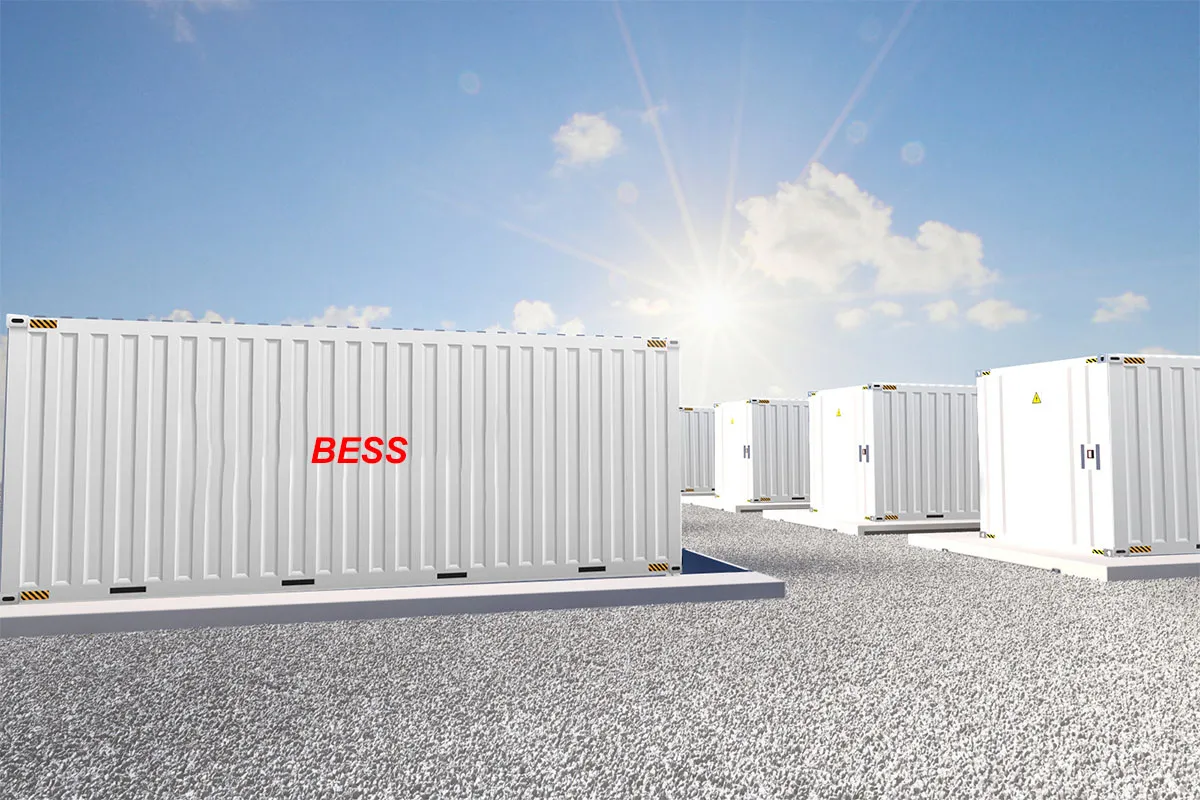
When you’re researching solar batteries or any energy storage system, you’ll often come across two important terms: Depth of Discharge (DoD) and State of Charge (SoC). These terms describe how much energy a battery has used and how much it still has available.
Understanding DoD and SoC is crucial when deciding on a home solar battery, a commercial energy storage system, or even smaller devices like EV batteries. In this article, we’ll break down both concepts in simple terms, explain why they matter, and show you how they affect the performance and lifespan of your battery.
What is Depth of Discharge (DoD)?
Depth of Discharge (DoD) measures how much of a battery’s total capacity has been used. If you have a 10 kWh battery and you use 5 kWh, your battery’s DoD is 50%. The higher the DoD, the more energy you’ve taken out of the battery. Most batteries cannot be discharged to 0% without damaging their cells. Manufacturers specify a recommended maximum DoD to protect battery health.
What is State of Charge (SoC)?
State of Charge (SoC) represents how much energy remains in the battery, expressed as a percentage. If your battery is at 80% SoC, it still has 80% of its total energy capacity available. If your battery is at 20% SoC, it’s almost empty and may need recharging soon. SoC is basically the opposite of DoD, for example, if your battery’s DoD is 30%, then its SoC is 70%.
Every battery has a limited number of charge and discharge cycles. Regularly discharging a battery to a very high DoD (close to 100%) shortens its lifespan. The DoD determines how much of your battery’s stored energy is actually usable. A higher DoD means you can use more energy from your battery without damaging it.
Smart energy management systems monitor SoC to ensure the battery is charged and discharged efficiently, avoiding unnecessary wear. By understanding SoC, you can better plan for outages or peak electricity demand. A higher SoC ensures you have stored energy available when you need it most.
| Battery Type | Recommended DoD | Usable Capacity | Cycle Life (approx.) |
| Lithium-Ion (LiFePO4) | 80–95% | High | 4,000–10,000 cycles |
| Lead-Acid (AGM/Flooded) | 50 | Medium | 500–1,500 cycles |
| Flow Batteries | 100% | Very High | 10,000+ cycles |
When investing in a solar battery system, you want to maximize the return on investment (ROI). If you buy a cheaper battery with a low DoD (like lead-acid), you may spend less upfront but get less usable energy and a shorter lifespan. On the other hand, a higher DoD battery like lithium-ion offers more usable capacity and lasts longer, giving better value over time.
Understanding Depth of Discharge (DoD) and State of Charge (SoC) is essential for anyone considering a solar battery system. Together, these metrics affect your battery’s lifespan, efficiency, usable capacity, and overall performance. If you’re planning to install a solar battery, look for one with a high DoD (like lithium-ion) and monitor its SoC regularly to maximize both performance and savings.
By managing your battery wisely, you’ll not only extend its lifespan but also get the most value from your solar investment.
Solar Battery Discharge & Charge Cycles: Best Practices
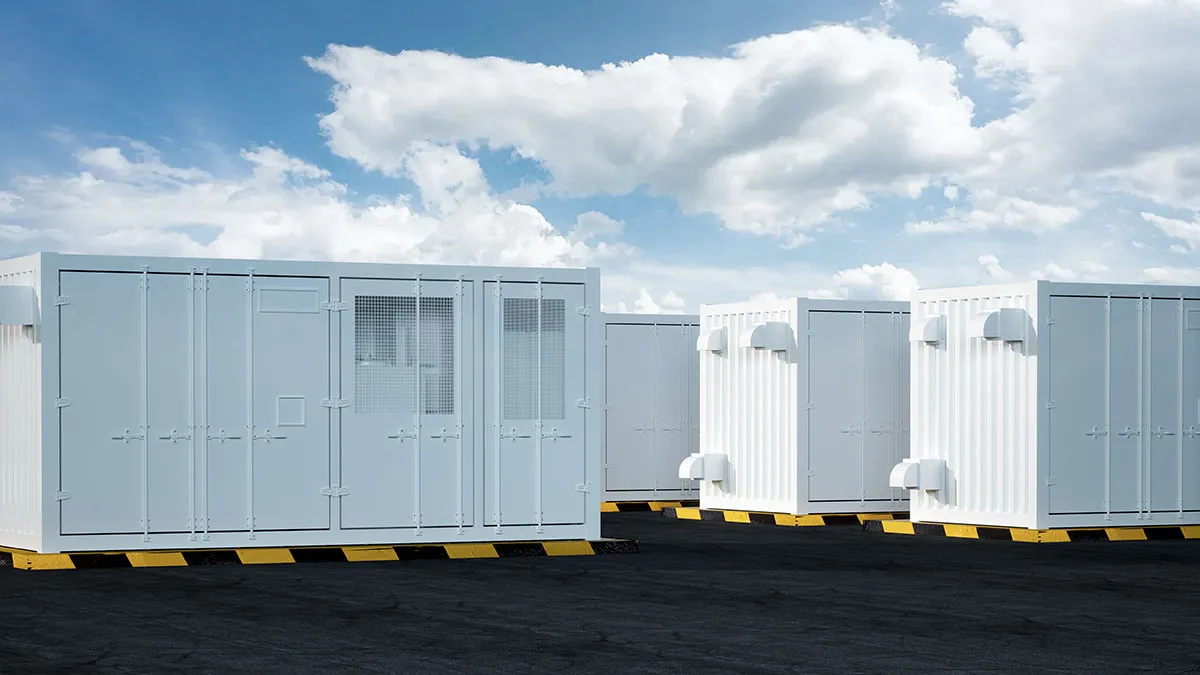
When investing in a solar battery system, one of the most important things to understand is how charge and discharge cycles work. Each time a battery stores and releases energy, it goes through a cycle. The way you manage these cycles has a huge impact on the battery’s lifespan, efficiency, and long-term savings.
A battery cycle is one complete process of charging the battery to full (or near full) and then discharging it to a certain level. If your solar battery has 10 kWh capacity, and you use 5 kWh one night, then recharge it the next day, that’s half a cycle. Using the full 10 kWh and then recharging it counts as one full cycle. Over time, every battery has a limited number of cycles it can handle before its capacity starts to decline.
- Avoid Deep Discharges When Possible: Try not to drain your battery completely every day. Staying within recommended DoD limits helps extend lifespan.
- Keep Your Battery Between 20%–80% SoC: Operating in this range balances usable capacity with cycle life. It’s especially important for lithium-ion batteries.
- Use a Smart Battery Management System (BMS): Modern batteries include a BMS that prevents overcharging, overheating, and deep discharges. Ensure your system is properly configured.
- Maintain Optimal Temperature: Batteries operate best between 15°C–30°C (59°F–86°F). Extreme heat or cold reduces efficiency and increases cycle wear.
- Charge with Solar Energy During Peak Hours: If possible, align your charging with midday when solar panels produce the most energy. This reduces reliance on the grid and improves efficiency.
- Discharge During Peak Utility Rates: Use stored energy when electricity prices are highest (time-of-use savings). This not only maximizes ROI but also ensures regular battery cycling.
- Regular Monitoring: Use your system’s app or monitoring software to track cycle history, SoC, and efficiency. Catching irregular patterns early prevents long-term damage.
| Battery Type | Cycle Life (Typical) | Recommended DoD |
| Lithium-Ion (LiFePO4) | 4,000–10,000+ | 80–95% |
| Lead-Acid (Flooded/AGM) | 500–1,500 | 50% |
| Flow Batteries | 10,000–20,000 | 100% |
Your solar battery’s charge and discharge cycles determine how long it lasts, how much energy you can use, and how much money you’ll save. By following best practices, like avoiding deep discharges, keeping batteries in a healthy SoC range, and using smart monitoring, you can maximize both lifespan and performance.
By managing cycles wisely, you’ll enjoy reliable power, lower bills, and a sustainable energy future.
If you would like to know more about solar battery basics, please refer to the page Solar Battery Safety, Lifespan & Maintenance.
They’re worth it if you live in areas with frequent blackouts, your utility has high electricity rates or peak-hour pricing or you want more energy independence.
Yes, but you need enough storage and panels to cover your usage—this often requires off-grid systems with backup generators.
It depends on your daily electricity use. Typical home: 1–3 batteries (10–15 kWh each). Large homes or off-grid: 4–6 batteries.
Modern lithium-ion batteries are very safe, thanks to built-in BMS. They’re much safer than old lead-acid or nickel-based systems.
Yes. You can charge them with grid power and use them as backup.
If you want to lower bills, gain independence from the grid, and ensure backup power during outages, then a solar battery could be the smartest investment in 2025. While the upfront cost is still high, incentives, tax credits, and falling prices make them more accessible than ever. Solar batteries aren’t just about storing energy, they’re about storing peace of mind.