
Everything You Need to Know About Solar Battery Energy Storage in 2025
Solar energy has evolved far beyond panels on rooftops. Today, solar battery storage systems are changing how people power their homes, making energy cleaner, smarter, and more independent.
But one question always comes first: “Are solar batteries really worth it?”
In this guide, we’ll go deep into the true cost, ROI (return on investment), and long-term value of solar batteries. You’ll learn how much they cost, how they save you money, and what to consider before installing one.
By the end, you’ll have a clear picture of whether solar batteries are the right investment for your home or business.
Note: The brands listed are not ranked in any particular order.
Disclaimer: The company names, founding dates, and addresses are sourced from publicly available information online.
Please note: The list in this guide is not exhaustive. There may be other reputable solar battery brands worth considering.
Understanding the Basics of Solar Battery Energy Storage

Before diving into costs and ROI, let’s start with the solar basics! A solar battery energy storage system stores excess energy produced by your solar panels during the day so you can use it later, at night or during power outages.
When your solar panels generate more electricity than you use, the battery steps in to capture that unused energy. Later, when the sun goes down, the stored energy powers your lights, appliances, and even your air conditioner.
This process helps you rely less on the grid, save on electricity bills and stay powered even when there’s a blackout.
A complete solar energy storage system usually includes these key components:
- Solar panels – Capture sunlight and convert it into DC (direct current) power.
- Inverter – Converts DC power into AC (alternating current) power used by home appliances.
- Solar battery – Stores excess energy for later use.
- Battery Management System (BMS) – Monitors and protects your battery from overcharging or deep discharging.
When these components work together, they create a closed-loop energy ecosystem, producing, storing, and consuming your own clean power.
Solar Battery Cost: What You Pay Upfront

The upfront cost of a solar battery includes everything you need to get the system up and running, the battery itself, installation labor, wiring, and supporting equipment such as an inverter or monitoring system. Depending on the brand, capacity, and technology, most home solar batteries in 2025 cost between $8,000 and $15,000 before incentives or rebates.
Premium lithium-ion models like the Tesla Powerwall or BYD units tend to sit on the higher end of that range, while smaller or lead-acid systems cost less but store less energy.
These upfront costs may seem high, but they cover more than just the hardware! you’re also paying for long-term energy independence, resilience during blackouts, and future savings on electricity bills. Many homeowners reduce the total cost through government incentives, tax credits, or local energy rebates, which can lower the upfront payment by 20–40%.
When planned correctly, your solar battery becomes an investment rather than an expense, paying for itself over time through reduced grid reliance and lower energy costs.
Solar batteries vary widely in cost depending on brand, capacity, and type. As of 2025, average solar battery prices (including installation) are roughly $8,000–$15,000 for lithium-ion batteries LiFePO4, $5,000–$9,000 for lead-acid batteries, $15,000–$25,000 for flow batteries.
Let’s break down where that money actually goes.
Hardware and Battery Cost
The battery itself makes up 60–70% of the total cost. This includes battery modules (cells that store energy), control systems and sensors, and casing and safety protections. Higher-end batteries, especially lithium iron phosphate (LiFePO4) models, are more expensive, but they last longer and perform better in extreme weather.
Installation Cost
Professional installation usually adds another $1,000–$3,000, depending on complexity of your electrical setup, whether you’re installing alongside new solar panels or retrofitting an existing system and local labor and permit costs. If you install a solar battery at the same time as your solar panels, you can often save up to 20% on total labor costs.
Additional Equipment
Sometimes, you’ll need extra components, such as hybrid inverter (if your current inverter isn’t battery-compatible), backup gateway or transfer switch for seamless power during outages, monitoring software for energy tracking. These can add $500–$2,000 to your system but improve performance and visibility.
Lifetime and Maintenance Costs
Most modern batteries last 10–15 years, with minimal maintenance. Lithium-ion batteries require little to no upkeep while lead-acid batteries need occasional fluid top-ups and maintenance checks. Over time, you might spend $300–$500 on monitoring or replacement parts, far less than maintaining a diesel generator.
Solar Battery Cost per kWh Stored
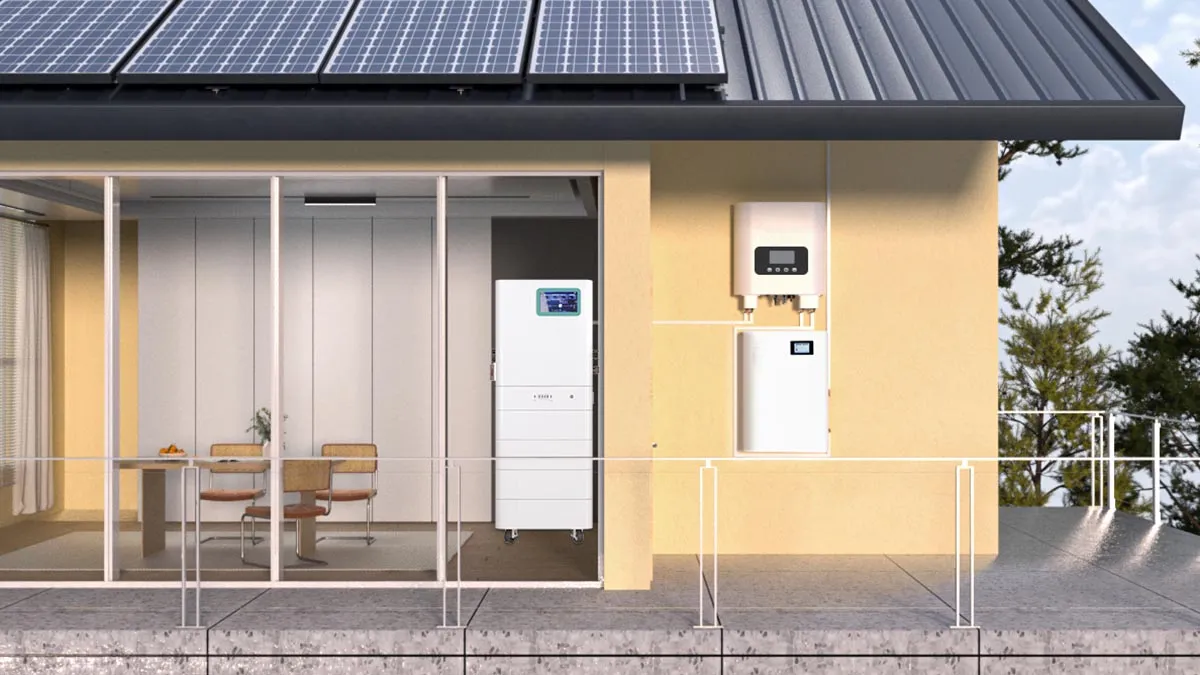
When comparing solar batteries, one of the most useful ways to measure value is by looking at the cost per kilowatt-hour (kWh) of storage. This figure tells you how much you’re paying for every unit of energy the battery can store and later use.
In 2025, the average residential solar battery costs between $400 to $900 per kWh of capacity, depending on the technology and brand. For example, a 10 kWh lithium-ion battery may cost around $9,000, while a smaller lead-acid system might fall closer to $5,000.
A lower cost per kWh doesn’t always mean better value, factors such as battery lifespan, round-trip efficiency, and warranty coverage also matter. Lithium-ion batteries often have a higher upfront cost but a lower lifetime cost per kWh because they last longer and store energy more efficiently.
When calculating your investment, it’s important to consider not just the price per kWh today but also how much usable energy you’ll get over the system’s lifetime. This helps you understand the true cost of stored solar energy and make a smarter financial decision.
To compare value across brands, look at the cost per kilowatt-hour (kWh) — how much you pay for every unit of energy the battery can store.
| Battery Type | Average Cost per kWh | Lifespan | Round-Trip Efficiency |
| Lithium-ion (LiFePO4) | $60–$200 | 10–15 years | 95–98% |
| Lead-acid | $30–$100 | 5–10 years | 70–85% |
| Flow Battery | $800–$1,200 | 15–20 years | 75–85% |
Even though lithium batteries cost more upfront, they deliver more energy over time, making them the most cost-effective choice in the long run.
Calculating the Payback Period
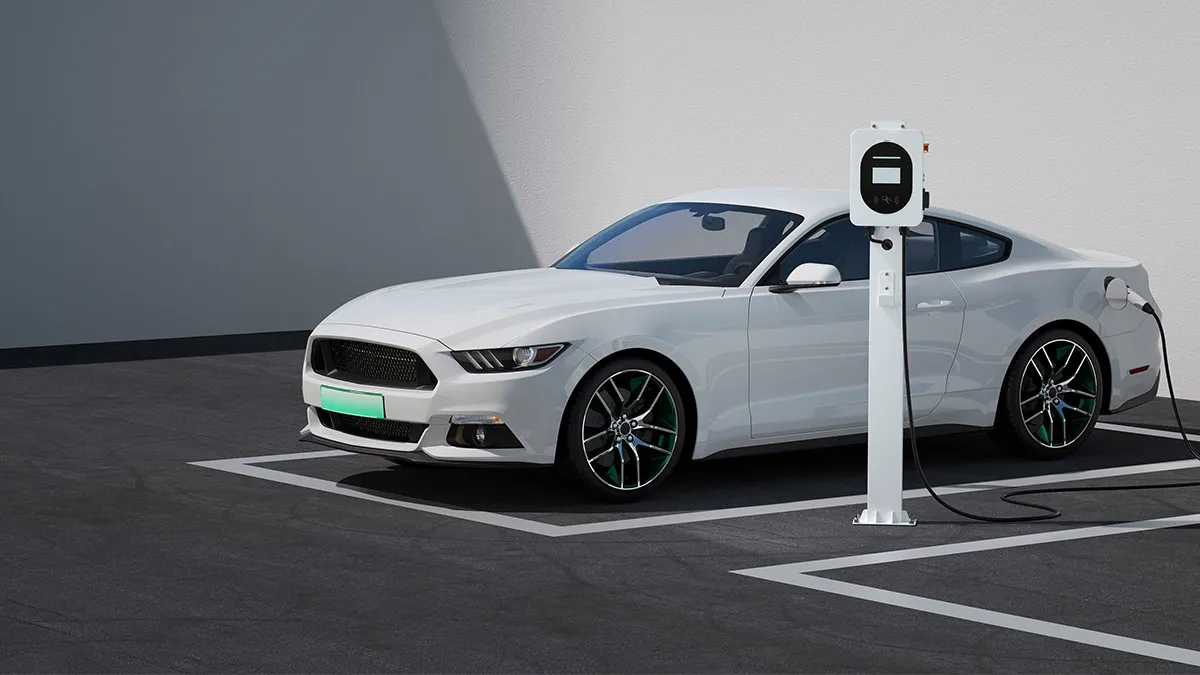
Calculating the payback period means figuring out how long it takes for your solar battery investment to pay for itself through energy savings. In simple terms, you divide the total system cost (including installation) by your yearly electricity savings to estimate how many years it will take to break even.
For most homeowners in 2025, the payback period for a solar battery system typically ranges from 7 to 12 years, depending on local electricity rates, battery capacity, sunlight availability, and any government incentives or rebates that reduce upfront costs.
Switching to solar energy is one of the smartest moves homeowners can make today. But when it comes to adding a solar battery to your system, one big question often comes up: “How long will it take for my solar battery to pay for itself?”
What Is a Payback Period for Solar Batteries?
Knowing your solar battery payback period helps you decide whether the investment is worth it. A shorter payback period usually means a better value for money, a faster energy independence and a higher long-term savings. For most homes, the payback period for solar batteries in 2025 ranges between 3 to 5 years, depending on where you live, local energy prices, and the type of battery you install.
Key Factors That Affect the Payback Period
Several key factors influence the payback period of a solar battery system, including the upfront cost, electricity rates, available government incentives, and battery performance. A higher installation cost or lower local energy price can extend the payback time, while tax credits, rebates, and smart energy use can significantly shorten it.
Additionally, factors like battery capacity, efficiency, and lifespan also play a major role, a high-quality battery with longer durability and better energy retention will generally deliver faster and more reliable returns on investment.
- The Cost of the Solar Battery System – Your upfront cost includes the battery itself, installation fees, inverter upgrades (if needed), labor and maintenance. Typical prices range between $6,000–$15,000 depending on the battery size and brand.
- Electricity Prices – If your local energy rates are high, you’ll see faster savings because your battery helps avoid expensive peak-hour electricity costs.
- Solar Incentives and Rebates – Government rebates, tax credits, and feed-in tariffs can greatly shorten your payback period.
- Battery Size and Efficiency – A battery that stores more energy (e.g., 10–15 kWh) might cost more upfront but can deliver greater long-term savings.
How to Calculate the Payback Period for Solar Batteries
Here’s a simple formula:
Payback Period = (Total Battery Cost – Incentives) ÷ Annual Savings
Example:
- Battery system cost: $10,000
- Incentive: $2,000
- Annual electricity savings: $1,000
- Payback period = ($10,000 – $2,000) ÷ $1,000 = 8 years.
That means it will take 8 years before you fully recover your investment through savings on your power bills.
Most lithium-ion solar batteries last 10–15 years or about 5,000–10,000 cycles. The longer your battery lasts, the more energy it stores over its lifetime, and the more savings you enjoy.
Regular maintenance, smart energy management, and quality brands like Tesla Powerwall, BYD, or LG Chem can extend the battery’s useful life and improve its financial return. Calculating the payback period for your solar battery helps you see the bigger picture, how much you’ll save, when you’ll break even, and how long your system will keep giving back.
If your home uses a lot of power, faces high energy prices, or experiences power outages, then yes, a solar battery is worth it. With the right setup, incentives, and efficient use, your system could pay for itself in under 7 years — and continue delivering clean, free energy for years after that. The payback period is how long it takes for your energy savings to cover your initial investment.
Are Solar Batteries Worth the Cost?

Whether solar batteries are worth the cost depends on your energy goals, electricity rates, and local incentives. For homeowners facing high utility prices or frequent power outages, a solar battery can provide real financial and practical value. It allows you to store excess solar energy and use it during peak times or at night, reducing dependence on the grid and avoiding expensive electricity charges.
In the long run, solar batteries can increase energy independence and protect you from rising power costs, while also reducing your carbon footprint. When combined with government rebates or tax credits, the total investment becomes much more appealing. For most solar users, the balance between cost savings, energy security, and environmental benefits often makes a solar battery a smart and future-ready investment.
From a Homeowner’s Perspective
If your main goal is saving money and gaining energy independence, solar batteries can absolutely be worth it. They let you use your own solar power instead of buying from the grid, avoid peak-hour electricity charges (often 2–3× higher) and stay powered during blackouts, no noisy generator needed.
In some markets, you can even sell your stored energy back to the grid through “net metering” or “virtual power plant” programs, further increasing ROI.
From an Environmental Perspective
Every kilowatt-hour of solar energy you store and use replaces fossil-fuel-based electricity from the grid. That means fewer carbon emissions, cleaner air and a smaller environmental footprint. Even if your payback period takes 8–10 years, the eco value begins the moment you start using solar energy.
Return on Investment (ROI) Explained
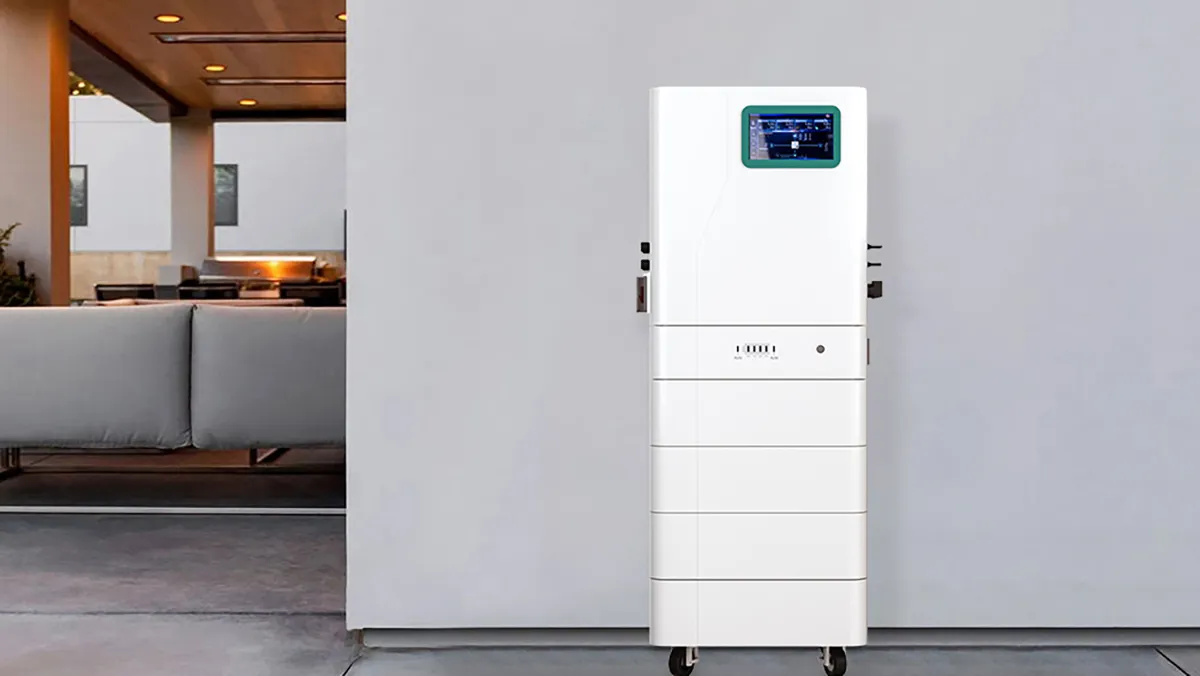
Return on Investment (ROI) for solar batteries measures how quickly your system pays for itself through energy savings, incentives, and long-term performance. In simple terms, it compares the money you save on electricity bills and potential incentives against your total installation and maintenance costs. A shorter payback period means a higher ROI, showing that your solar battery is generating strong financial returns over time.
Several factors can influence ROI, such as local electricity prices, solar battery efficiency, available subsidies, and usage habits. Homeowners in areas with high energy costs or frequent grid outages often see better returns because they save more each month. A well-sized, efficient system paired with smart energy management can significantly boost ROI, turning your solar battery from a long-term expense into a valuable, money-saving asset.
Your solar battery ROI measures how much you earn or save compared to what you spent. A typical ROI range in 2025 is 8–12% per year in regions with high utility prices and 5–8% per year in regions with moderate prices.
How to Improve ROI?
Here are proven ways to boost your return:
- Install during a solar system upgrade – lowers labor costs.
- Choose high-efficiency lithium batteries – better energy yield.
- Charge during off-peak hours and use power during expensive periods.
- Apply for government rebates or incentives.
- Use smart monitoring tools to manage energy consumption.
These strategies ensure you squeeze every possible cent of savings from your investment.
Factors That Influence Solar Battery Cost and ROI
Let’s summarize the most important factors:
| Factor | Effect on Cost | Effect on ROI |
| Battery Type | LiFePO4 > Lead-acid | Higher efficiency = better ROI |
| System Size | Larger = higher upfront cost | More savings if consumption is high |
| Local Electricity Rates | No effect on cost | Higher rates = faster payback |
| Government Incentives | Reduces cost | Shorter payback, higher ROI |
| Usage Pattern | No effect on cost | Smart energy use = higher ROI |
| Brand and Warranty | Premium brands cost more | Better longevity and performance |
In California or Texas, where time-of-use pricing is common, homeowners save most by using stored solar energy during peak hours (4–9 PM).
Many households use large 10–15 kWh batteries. The ROI is strong thanks to high electricity prices and abundant sunlight in Australia. In European markets like Germany and Spain, people value energy security, batteries protect against rising prices and grid instability.
The global energy market is shifting rapidly. Battery technology is improving fast, and costs are dropping 8–10% per year thanks to mass production, new chemistries like solid-state and sodium-ion and smarter battery management systems.
By 2030, experts predict the average home battery will cost 30–40% less than today, making ROI even more attractive. We’ll also see more community storage and virtual power plant programs, allowing homeowners to sell power collectively and earn income from stored energy.
Solar Battery Warranties and Guarantees
Solar battery warranties and guarantees protect your investment by ensuring performance and reliability over time. Most reputable solar batteries come with warranties ranging from 5 to 15 years, covering issues like capacity loss, defective parts, or poor performance.
Some manufacturers also offer throughput or cycle warranties, which guarantee the battery will maintain a certain level of energy output after a set number of charge-discharge cycles. In short, a strong warranty gives you peace of mind, showing that the manufacturer stands behind the quality and lifespan of their solar battery system.
Warranties play a huge role in long-term value. Most reputable brands, such as Tesla, BYD, Sungrow, and LG Energy Solution offer 10–15 years warranty, performance guarantee (70–80% of original capacity after 10 years) and cycle warranty (e.g., 6,000–10,000 charge/discharge cycles).
This means even after a decade, your battery should still perform reliably. A solid warranty reduces risk, ensures better ROI, and reflects brand confidence in product quality.
The future of home energy is renewable, decentralized, and intelligent — and solar batteries sit at the center of this transformation. By combining solar panels with an efficient storage system, you can control your energy costs, gain independence from the grid, protect your home during outages and contribute to a greener planet.
If you’re planning your next step toward clean energy, now is the time to explore solar battery energy storage systems. They don’t just save money, they secure your energy future.
If you would like to know more about solar battery basics, please refer to the page Introduction to Solar Batteries.