
How to Choose and Size the Right Solar Battery for Your Home
Choosing the right solar battery isn’t just about buying the biggest or most expensive one, it’s about matching your energy needs, home size, and lifestyle. A correctly sized and properly installed solar battery can help you save money, reduce dependence on the grid, and enjoy reliable power even during outages.
Choosing and sizing the right solar battery for your home is one of the most important steps in building an efficient solar energy system. A properly sized battery ensures that the power stored matches your daily energy needs, helping you reduce grid dependency and save on electricity bills.
Factors like your household’s energy usage, solar panel capacity, backup power needs, and the number of cloudy days in your region all play a role in determining the ideal battery size.
When it comes to installation, it’s not just about plugging in a device, it involves careful planning, professional setup, and compliance with local electrical codes. A well-installed solar battery system improves efficiency, safety, and longevity. Working with certified installers and using reliable monitoring systems helps you track performance in real time, extend battery life, and make the most of your solar investment.
Note: The brands listed are not ranked in any particular order.
Disclaimer: The company names, founding dates, and addresses are sourced from publicly available information online.
Please note: The list in this guide is not exhaustive. There may be other reputable solar battery brands worth considering.
How to Size a Solar Battery for Your Home
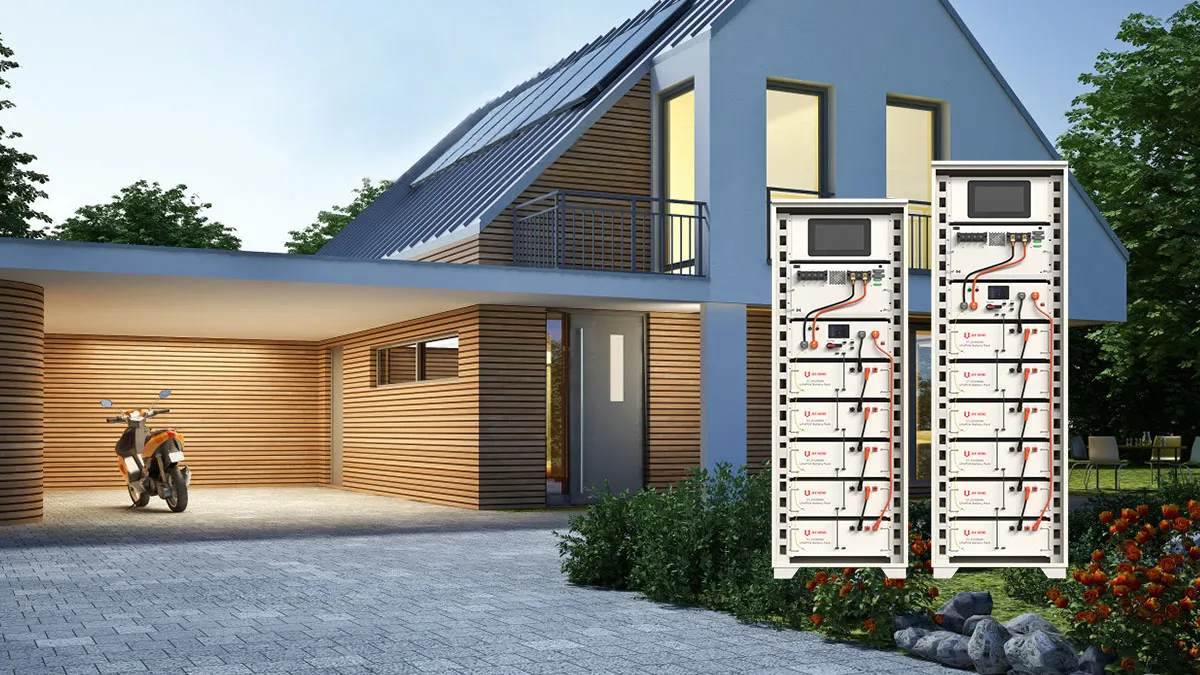
Sizing a solar battery for your home starts with understanding how much energy you use daily and what you want to power. The goal is to find a balance between energy storage and cost efficiency.
You’ll need to look at your average electricity consumption (measured in kWh), your solar panel output, and whether you want full backup during power outages or just partial support for essentials. A typical home battery ranges from 5 kWh to 20 kWh, depending on lifestyle and energy goals.
It is also important to consider how long you want your battery to run without sunlight, known as “days of autonomy.” If you live in an area with frequent cloudy days or unreliable grid power, you might need a larger capacity.
Using online solar battery calculators or consulting with an installer can help you find the right size. The right sizing ensures your solar system runs efficiently, giving you steady power when you need it most while keeping installation and maintenance costs reasonable.
Below are some specific steps on how to size a solar battery for the home
Assess Your Home’s Energy Usage
Start by checking your electricity bill. Look for your daily energy usage (kWh per day) that’s the foundation of your solar battery size. For example, if your home uses 30 kWh per day, and you want a battery that covers one full day of power, you’ll need a system that can store around 30 kWh of usable energy.
You can also use smart plugs, energy meters, or apps to monitor which appliances consume the most power.
Determine Your Backup & Autonomy Needs
Ask yourself: “Do I want to cover a few hours, or the whole night?” A 5–10 kWh battery can handle basic appliances for partial backup, you’ll need 15–30 kWh or more, depending on your home size for full home backup. The more hours of backup you want, the larger the battery capacity needed.
Account for Depth of Discharge (DoD) & Usable Capacity
Not every kWh in your battery is usable. For example, most lithium-ion batteries allow 80–95% of their total capacity to be used safely. A 10 kWh battery with 90% DoD means you’ll actually get 9 kWh of usable power.
No system is 100% efficient. You’ll lose a little energy during charging, discharging, and conversion from DC to AC. Always oversize your battery by 10–15% to cover these minor losses.
Think long-term. If you plan to add more appliances or buy an electric vehicle, choose a system that’s modular and expandable. It’s easier (and cheaper) to scale up later than to replace everything.
Solar Battery Installation Process: What to Expect
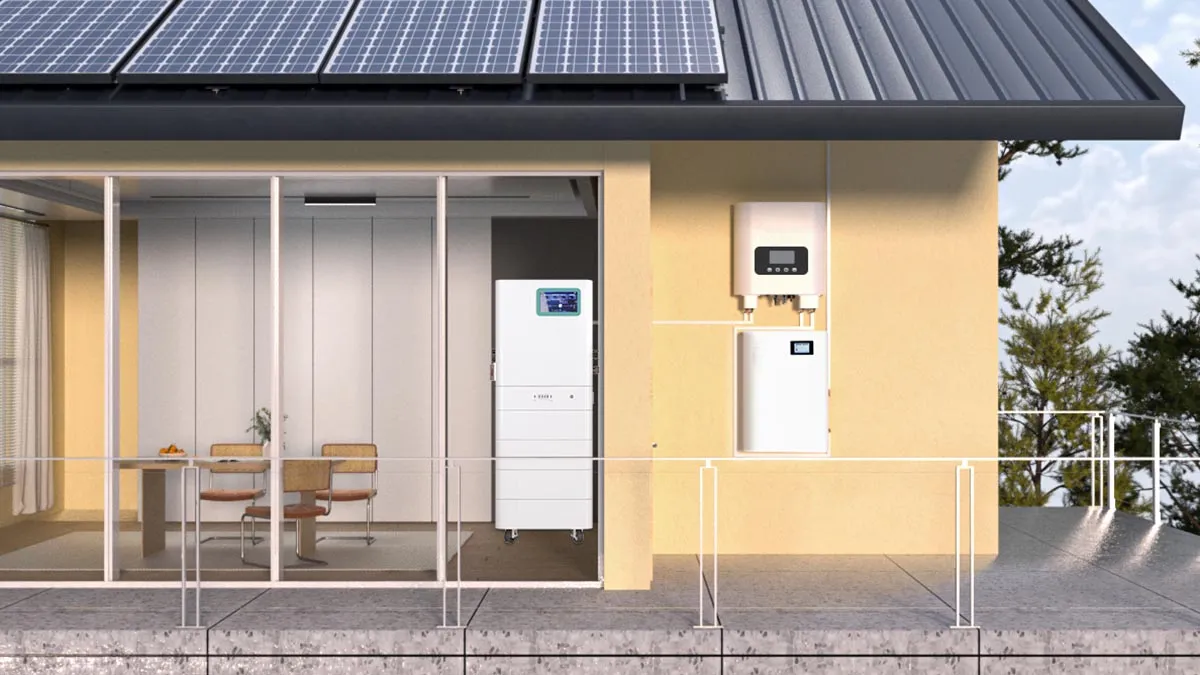
Installing a solar battery is a step-by-step process that usually begins with a professional site assessment. The installer checks your solar panel setup, electrical system, and available space to decide the best battery type and placement, often in a garage, utility room, or shaded outdoor area. Once the design is finalized, permits and approvals are obtained from local authorities or utility companies to ensure the system meets safety and code standards.
During installation, technicians mount the battery, connect it to your solar inverter and main power panel, and set up monitoring software so you can track performance in real time. The entire process usually takes one to three days, depending on system size and complexity.
After installation, your installer will test the system, explain how to use it, and ensure everything is working safely. A professional installation ensures your battery runs efficiently, integrates smoothly with your solar setup, and provides reliable backup power for years to come.
- Site Assessmen – Before installation, a professional will inspect your home to determine the best location (garage, utility room, shaded outdoor wall), electrical compatibility and safety and ventilation needs.
- System Design – Your installer will design a system that integrates your battery, inverter, and solar panels. The design ensures proper voltage, wiring, and backup circuits.
- Permits & Approvals – You may need local permits for electrical and fire safety, especially if your battery connects to the grid. The installer typically handles this paperwork for you.
- Installation Day – The battery is securely mounted, connected to the inverter, and wired into your home’s electrical panel. This process usually takes 4 to 8 hours.
- Testing & Commissioning – After setup, technicians will test the battery’s charge, discharge, and communication with the solar system. You’ll also learn how to use your monitoring app.
Solar Battery Permitting, Codes & Regulatory Issues
Before installing a solar battery, homeowners must follow local permitting and regulatory requirements to ensure safety and compliance. Most regions require building or electrical permits since solar batteries connect directly to the home’s power system.
These permits help verify that the installation meets safety standards, wiring codes, and fire protection guidelines. Depending on where you live, your installer may also need to submit system designs or load calculations to local authorities or utility companies for approval before installation begins.
Regulations can vary from one region to another, so it’s important to work with certified installers who understand local codes and grid connection rules. Some areas require inspections by local officials or utility representatives after installation to confirm compliance and safety.
Staying up to date with these requirements not only ensures your system runs legally but also protects your warranty and insurance coverage. In short, understanding solar battery permitting and codes early helps avoid delays, extra costs, and future compliance issues.
Every region has its own rules for solar energy storage. Here are the main categories:
- Electrical and building permits ensure safe installation.
- Fire safety permits required in some areas for indoor batteries.
- Utility interconnection needed if your battery connects to the grid for net metering.
- Zoning and HOA approvals check local rules before installation.
Always choose a certified installer familiar with local and national codes such as the NEC (National Electrical Code) in the U.S. or your local energy standards.
Solar Battery Sizing Calculators & Tools

Solar battery sizing calculators and tools are designed to help homeowners estimate how much battery storage they need based on their energy usage and solar system size. These tools typically consider key factors like your daily electricity consumption, peak usage hours, solar panel output, and the number of backup hours you want during outages.
By inputting this data, the calculator provides an estimated battery capacity (in kilowatt-hours) that fits your household’s energy goals — whether that’s lowering electricity bills or achieving full energy independence.
Advanced sizing tools often integrate with real-time data from smart meters or solar monitoring apps, giving more precise recommendations. Some manufacturers and installers also offer professional software that models different battery types (like lithium-ion or lead-acid) to compare performance, cost, and efficiency.
Using these tools before purchasing helps you avoid oversizing or undersizing your system, ensuring better ROI, longer battery life, and optimized energy performance.
Online sizing calculators can make planning easier. These tools estimate how much storage you need based on your home’s electricity use, backup hours, and system losses.
- Popular tools include Tesla Powerwall Calculator which estimates battery count and savings, LG Energy Solution Planner is detailed for hybrid systems, generic solar battery calculator tools are available from many solar websites.
- Steps on how to use a sizing tool, enter your daily energy consumption (kWh), input your target backup duration (e.g., 8 hours), adjust the DoD and efficiency percentage, then review the suggested battery capacity.
Always cross-check results with your installer—they’ll verify using actual load profiles.
How to Maximize Solar Battery Life
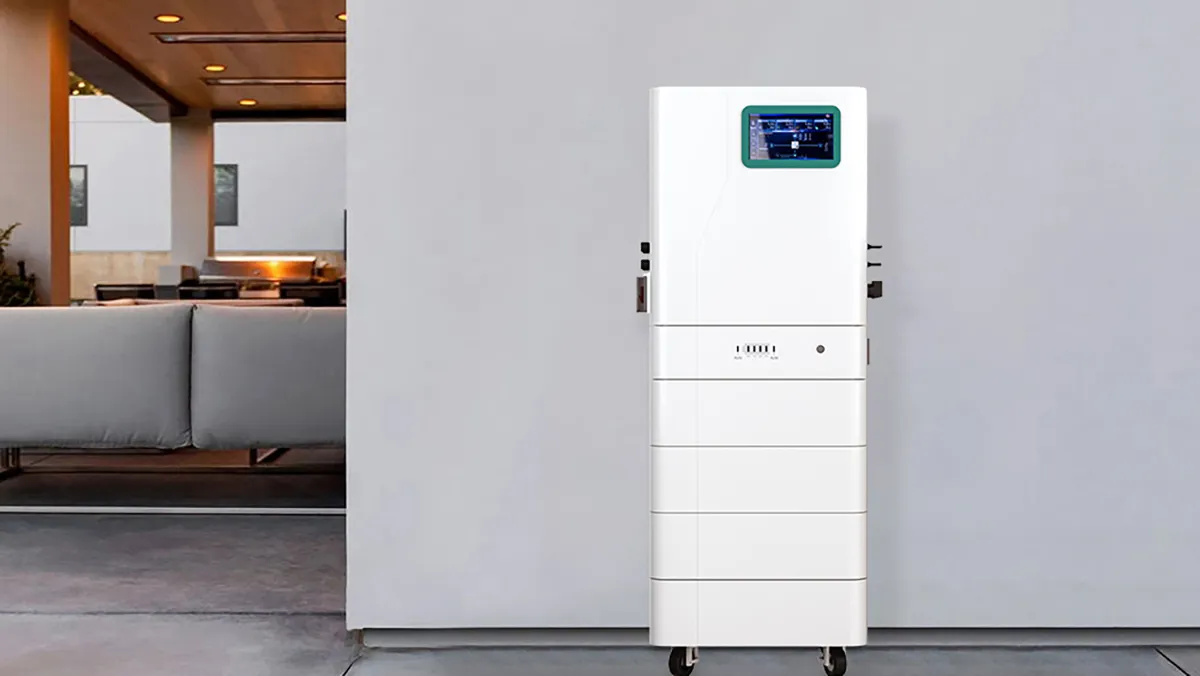
Maximizing the lifespan of your solar battery starts with proper usage and maintenance. One of the most important factors is managing the Depth of Discharge (DoD) and avoiding fully draining the battery too often helps extend its life.
Keeping the battery in a moderate temperature range, ensuring proper ventilation, and preventing overcharging or overheating also play key roles in maintaining performance. Regular inspections and firmware updates (for smart batteries) can help detect early issues before they affect capacity or safety.
In addition, how you use your stored energy impacts longevity. Setting your system to discharge gradually instead of in deep cycles, pairing it with a well-sized inverter, and avoiding continuous high loads can significantly improve battery health.
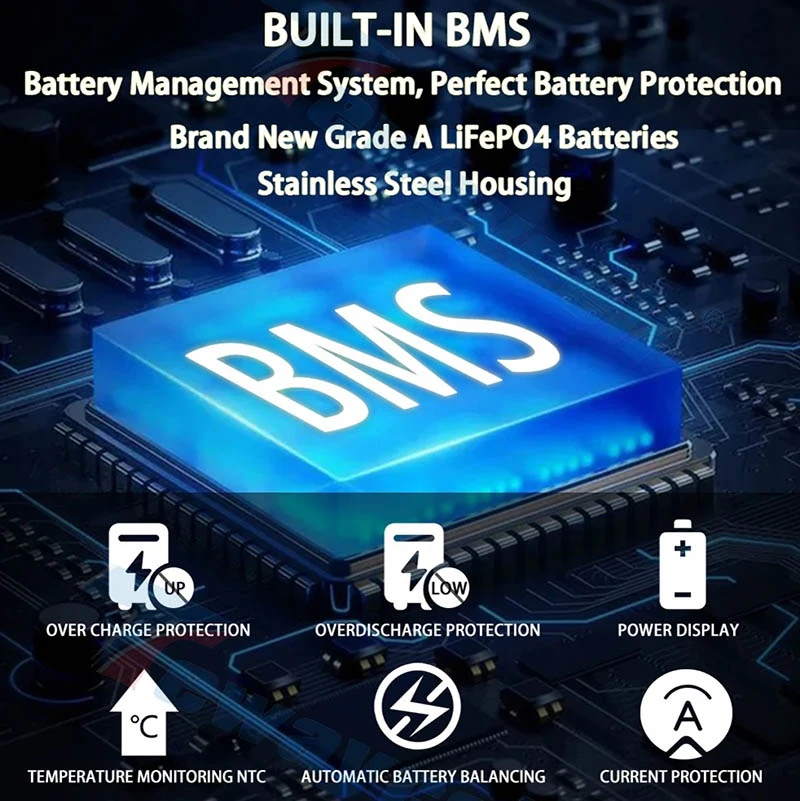
Using a Battery Management System (BMS) or smart monitoring app allows you to track charge levels, temperature, and performance trends in real time, it is helping you adjust usage patterns to get the most from your solar battery investment for many years.
Solar batteries are a long-term investment, and their performance depends on how you use and maintain them.
- Keep a Safe State of Charge (SoC) Range – Avoid draining your battery completely or keeping it at 100% all the time. Staying between 20–80% SoC helps extend battery life.
- Manage Temperature – Extreme heat or cold shortens lifespan. Install batteries in a temperature-stable area and use models with built-in thermal management.
- Use a Battery Management System (BMS) – A BMS tracks voltage, current, and temperature—helping to balance cells and prevent overcharging. Keep it updated with the latest firmware.
- Avoid Deep Cycling – Discharging your battery to 0% daily wears it out faster. Opt for shallow cycles when possible.
- Regular Maintenance – Check system health every 6–12 months. Monitoring tools can alert you to capacity loss or faults early.
Solar Battery Monitoring: Apps, Software & Management Systems
Solar battery monitoring systems, including apps and management software, let you see how your solar energy is being used in real time. Through your smartphone or computer, you can track how much energy your panels are generating, how much power your home is consuming, and how much charge remains in your battery.
This level of visibility helps homeowners optimize energy use, reduce dependence on the grid, and make smarter decisions about when to store or use solar power. Many modern systems come with user-friendly dashboards, alerts, and historical performance data that simplify daily energy management.
Beyond convenience, these monitoring tools play a vital role in battery health and system efficiency. They allow you to detect issues early, such as unexpected drops in performance or abnormal temperature readings, which could indicate maintenance needs.
Some advanced systems, often integrated with a Battery Management System (BMS), automatically adjust charging and discharging rates to maximize efficiency and prolong battery life. Whether you use a manufacturer’s proprietary app or a third-party solar monitoring platform, keeping an eye on your system ensures you get the best value and longest lifespan from your solar battery investment.
Monitoring tools give you real-time visibility into your solar storage system’s performance and help you understand when your battery charges, discharges, or reaches peak efficiency, it is helping you save more and prevent issues.
Popular Monitoring Apps
- Tesla App – intuitive and tracks battery SoC, savings, and grid usage.
- Sungrow iSolarCloud – great for hybrid solar-battery systems.
- SolarEdge Monitoring Platform – detailed reports for installers and homeowners.
Key Metrics to Watch
- SoC (State of Charge): Current battery percentage.
- DoD (Depth of Discharge): How much energy has been used.
- Cycle Count: Total charge/discharge cycles completed.
- Efficiency: Compare input vs output energy.
Modern apps let you set alerts for low SoC, or automatically switch to battery power during peak grid rates with maximizing savings.
A well-sized and properly installed solar battery system delivers long-term value, reliability, and independence from rising grid prices.
Take time to understand your home’s energy use, choose a trusted installer, and maintain your battery with smart monitoring.
When done right, your solar battery doesn’t just store energy, it empowers your home with clean, cost-effective power for years to come.
If you would like to know more about solar battery costs, please refer to the page Solar Battery Cost, ROI & Value in 2025.