
Pillar: Best Solar Battery Applications
As solar energy becomes more popular, solar batteries are playing a bigger role in how we power our homes, commercials, and even our adventures. A solar battery doesn’t just store extra solar power, it gives you energy independence, backup power, and peace of mind.
Solar batteries are no longer a luxury; they’re a smart investment for anyone who wants to cut electricity costs and rely less on the grid. Whether you’re living off-grid, preparing for power outages, or running a business, understanding how solar batteries work in different applications helps you make better decisions.
With the right setup, a solar battery can help you to lower monthly utility bills, stay powered during blackouts, reduce your carbon footprint and gain energy independence.
In this episode of Solar Battery Basics, we’ll explore how solar batteries are used in real life, from off-grid systems to portable power banks, and help you understand which setup fits your lifestyle or business best.
Note: The brands listed are not ranked in any particular order.
Disclaimer: The company names, founding dates, and addresses are sourced from publicly available information online.
Please note: The list in this guide is not exhaustive. There may be other reputable solar battery brands worth considering.
- Pillar: Best Solar Battery Applications
- Solar Battery for Off-Grid Systems
- Solar Battery for Backup Power During Outages
- Solar Battery + Solar Panels: Integration and Setup
- Grid-Tie vs Off-Grid vs Hybrid Solar Battery Systems
- Solar Battery for Commercial & Industrial Applications
- Solar Battery for RVs, Boats, and Portable Use
- Portable Solar Batteries for Camping & Remote Areas
- Future Trends in Solar Battery Use
Solar Battery for Off-Grid Systems
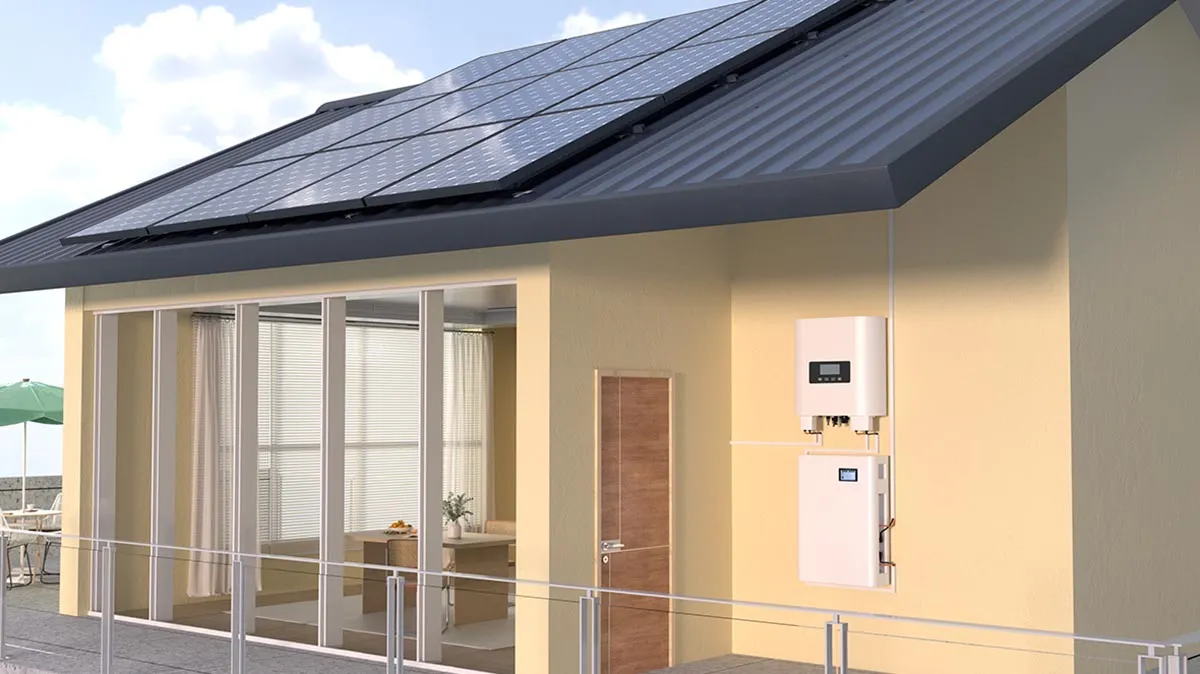
Solar batteries for off-grid systems are designed to store excess solar energy so that you can power your home or business even when the sun isn’t shining or during nighttime. They provide complete energy independence by ensuring reliable electricity in remote areas without access to the utility grid. With the right battery capacity and setup, off-grid solar systems can support essential appliances, lighting, and even large equipment, making them ideal for rural homes, cabins, and eco-friendly living.
If you live in a remote area or want full independence from utility companies, an off-grid solar battery system is the way to go. Off-grid setups store all the energy your solar panels produce, allowing you to power your home day and night without connecting to the grid.
How it works? During the day, your panels generate electricity and charge your solar battery. At night, or during cloudy days, that stored energy keeps your lights and appliances running.
Best battery types for off-grid use, such as LiFePO4 (Lithium Iron Phosphate) which is long lifespan, high efficiency, low maintenance, lead-acid batteries are more affordable but need regular maintenance while flow batteries are great for large, long-duration storage systems. For off-grid setups, battery capacity and autonomy are critical, the goal is to have enough storage to last through several cloudy days.
What is The Best Off-grid Solar Battery
Choosing the “best” off-grid solar battery depends a lot on your specific situation, how much power you need, how often you expect cloudy days, how much budget you have, where you live, etc. But I can walk you through what makes a great off-grid battery, some top picks, and what to look out for (SEO-style) so you can make a solid decision.
What Makes a Great Off-Grid Solar Battery
Here are the key criteria to consider (with insights backed by current industry data) when selecting a battery for off-grid use.
| Feature | Why It Matters |
| Chemistry / Technology | LiFePO₄ (“Lithium Iron Phosphate”) batteries are currently the top choice: high safety, long cycle life, good depth of discharge, better efficiency. Lead-acid still works for lower budgets but with more compromises. |
| Cycle Life & Depth of Discharge (DoD) | A battery with high cycle life (say 4,000–10,000 cycles) plus a high usable DoD (80–90%) means more usable energy over its lifetime. LiFePO₄ typically allows for this. |
| Efficiency & Losses | High round-trip efficiency minimizes wasted energy. Good BMS and wiring, efficient inverter all help. The less waste, the smaller/higher quality system you need. |
| Durability & Safety | Off-grid systems are exposed to more extreme conditions (temperature, load surges). Batteries with robust BMS, thermal protection, safety certifications are safer picks. LiFePO₄ again shines here |
| Scalability & Expandability | If usage increases, or you add more solar panels/appliances, being able to expand (in modules or parallel) without replacing the whole battery bank saves money long term. |
| Total Cost of Ownership | Not just initial purchase price, but replacement cost, maintenance, efficiency losses, lifespan. A battery that costs more up front but lasts much longer with less maintenance often ends up cheaper per kWh over its lifetime. |
Industry comparisons back this up, many “best of” lists for off-grid solar batteries point to LiFePO₄ choices as giving the best mix of lifespan, reliability, safety, and usable energy.
Some Top Off-Grid Battery Picks
Here are some good battery options you might consider if you want reliable performance off-grid. These are product suggestions (with different capacities/price points) that meet many of the criteria above.
- SunGoldPower Powerwall X 10.24 kWh LiFePO₄: A solid mid-capacity battery with ~10.24 kWh usable storage, good cycle life, intelligent BMS. Good for a small or moderate off-grid home.
- EG4 48V 100Ah Server Rack Battery: Higher voltage (48V) means more efficient wiring for larger systems; server-rack design helps with expandability and space.
- Renogy Off Grid Power Storage Kit (10 20 kWh): Comes as a kit; nice option if you want something closer to turnkey.
Those picks are not “one size fits all,” but they are strong contenders based on current technology and reviews.
What’s “Best” Really Depends On You
Here are the trade-offs and personal factors that will decide which battery is best for your off-grid setup.
- How much energy you need daily and peak. If you’re powering lots of heavy loads (AC, pumps, tools), you’ll need higher capacity + strong surge capacity. If just lights, fridge, small electronics, you can do with less.
- How many days of autonomy you want. Do you need backup for heavy cloud cover or several nights? Bigger battery bank required.
- Budget vs uptime vs lifespan. Higher quality batteries cost more but last longer and save hassle. Cheaper ones may require replacement sooner.
- Temperature and environment. In cold or hot climates you’ll need batteries with thermal management; LiFePO₄ performs better under ranges of temperature than most lead-acid.
- Maintenance capacity. How much hands-on work you’re willing to do (checking, replacing parts, etc.). Lithium options are usually low-maintenance vs traditional lead-acid.
If I pick one “best overall” for most people wanting reliable off-grid solar energy, LiFePO₄ battery bank with about 10-20 kWh usable capacity, good cycle life (≥ 6,000), efficient inverter, and robust BMS.
Solar Battery for Backup Power During Outages
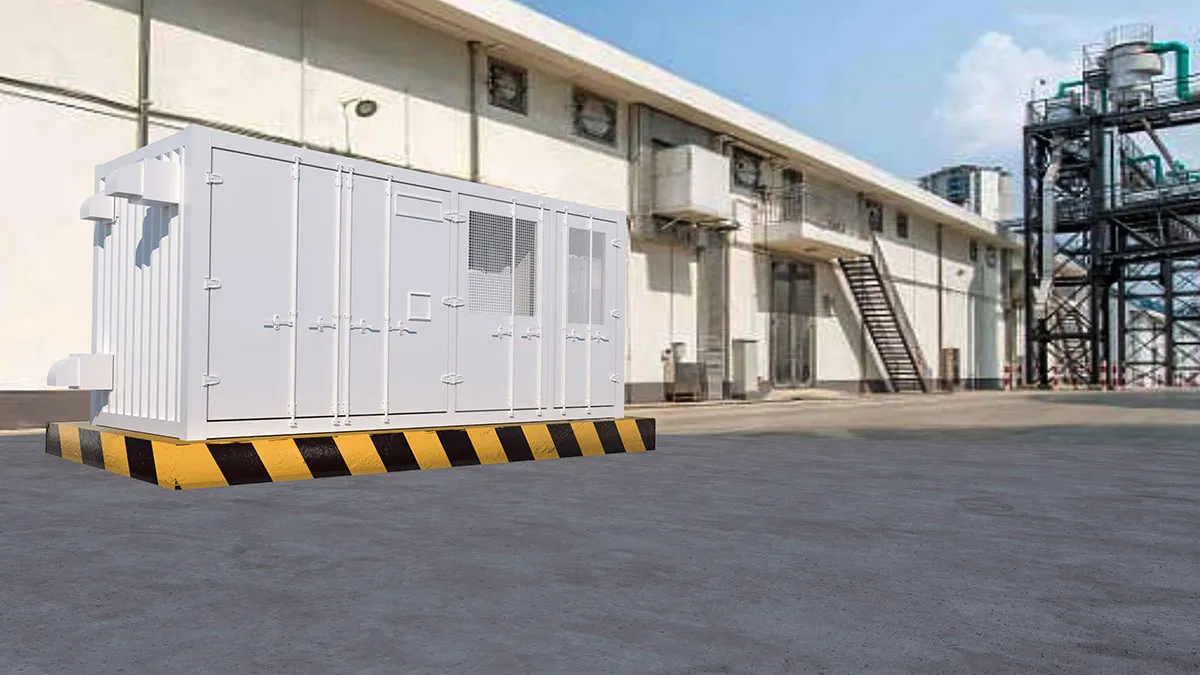
A solar battery for backup power during outages stores excess energy from your solar panels and automatically supplies electricity when the grid goes down. This setup keeps your essential appliances—like lights, refrigerators, and Wi-Fi—running smoothly without interruption. Unlike traditional fuel generators, solar batteries work quietly, require minimal maintenance, and recharge automatically when the sun returns, making them an eco-friendly and reliable backup solution for both homes and businesses.
Even if you are connected to the grid, blackouts can happen anytime, storms, maintenance, or power surges. A solar battery backup system ensures that you still have electricity when the grid goes down.
When an outage occurs, the system automatically switches to battery power, keeping essential appliances running — such as lights, refrigerators, and Wi-Fi routers. Once power returns, your battery recharges automatically.
With this solar system, you’ll stay comfortable and safe during emergencies, your stored energy is 100% renewable and you can avoid fuel costs and noise from gas generators. Don`t forget to pair your solar battery with a hybrid inverter for seamless power switching during outages.
Have you ever wondered what size solar battery do you need for backup power? Please refer to this page for further information “How to size a solar battery for your home”.
Solar Battery + Solar Panels: Integration and Setup

Integrating solar batteries with solar panels allows you to capture, store, and use clean energy more efficiently. During the day, solar panels generate electricity, some of which powers your home directly, while the rest is stored in the battery for later use.
The setup typically includes panels, an inverter, and a battery management system (BMS) that ensures smooth energy flow. This integration helps maximize your solar investment, reduces grid reliance, and ensures you always have power available, even at night or during outages.
Solar panels and batteries work together as a complete clean energy system. The solar panels collect sunlight and generate DC power, which charges your battery. When the battery is full, excess power can go back to the grid (if you’re grid-tied) or be stored for later use.
Core components in this solar systems include solar batteries, solar panels that capture sunlight, inverters that converts DC to AC for home use and battery management system (BMS) that regulates charging and protects battery health.
The integration allows you to store free solar power and use it anytime — even after sunset or during outages.
What is a Hybrid Solar Inverter?
A hybrid solar inverter is a smart device that combines the functions of a solar inverter and a battery inverter into one unit. It converts the DC power generated by solar panels into AC power for home use and also manages the charging and discharging of solar batteries.
Unlike traditional inverters that only handle solar energy or grid power, a hybrid inverter can intelligently switch between solar panels, battery storage, and the utility grid depending on energy availability and demand.
This allows homeowners to use solar power during the day, store excess energy for night use, and even draw from the grid when needed, providing maximum energy flexibility, efficiency, and cost savings.
In short, a hybrid solar inverter is the “brain” of a modern solar + storage system, ensuring seamless power management and higher energy independence.
Grid-Tie vs Off-Grid vs Hybrid Solar Battery Systems
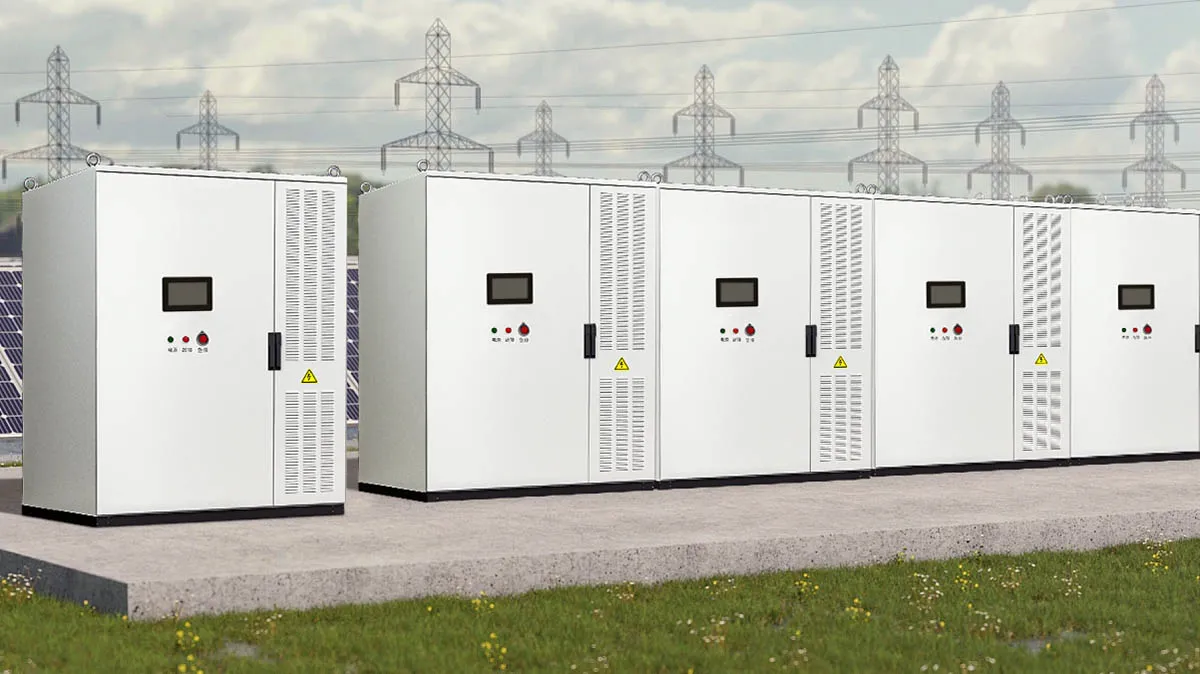
Off-grid systems, on the other hand, operate completely independently from the utility grid. They rely on solar panels and batteries to provide all the electricity a home or business needs, making them ideal for remote areas.
Hybrid systems combine the best of both worlds, allowing you to use solar power, store excess energy in batteries, and stay connected to the grid for extra reliability. This flexibility ensures consistent power, cost savings, and backup energy during blackouts.
There are three main types of solar battery setups, each serving different needs.
- Grid-Tied Systems, these are connected to the utility grid. Your battery stores excess power for later use, and you can still draw electricity from the grid when needed.
- Off-Grid Systems, totally independent from the grid. You rely completely on your solar panels and batteries.
- Hybrid Systems
What is a hybrid solar system?
A hybrid solar system is a smart energy setup that combines the benefits of both grid-tied and off-grid solar systems. It uses solar panels to generate electricity, batteries to store excess energy, and still stays connected to the utility grid for backup power when needed.
During the day, the solar panels power your home and charge the batteries. At night or during cloudy days, your system automatically switches to the stored battery power or draws from the grid if necessary.
This flexibility gives you the best of both worlds, energy independence, lower electricity bills, and reliable backup power during outages. In short, a hybrid solar system makes your home more energy-efficient, resilient, and future-ready.
Combine both worlds. You can use solar energy, store it, and still connect to the grid. Hybrid systems are the most popular choice for homeowners who want reliability and savings.
Solar Battery for Commercial & Industrial Applications
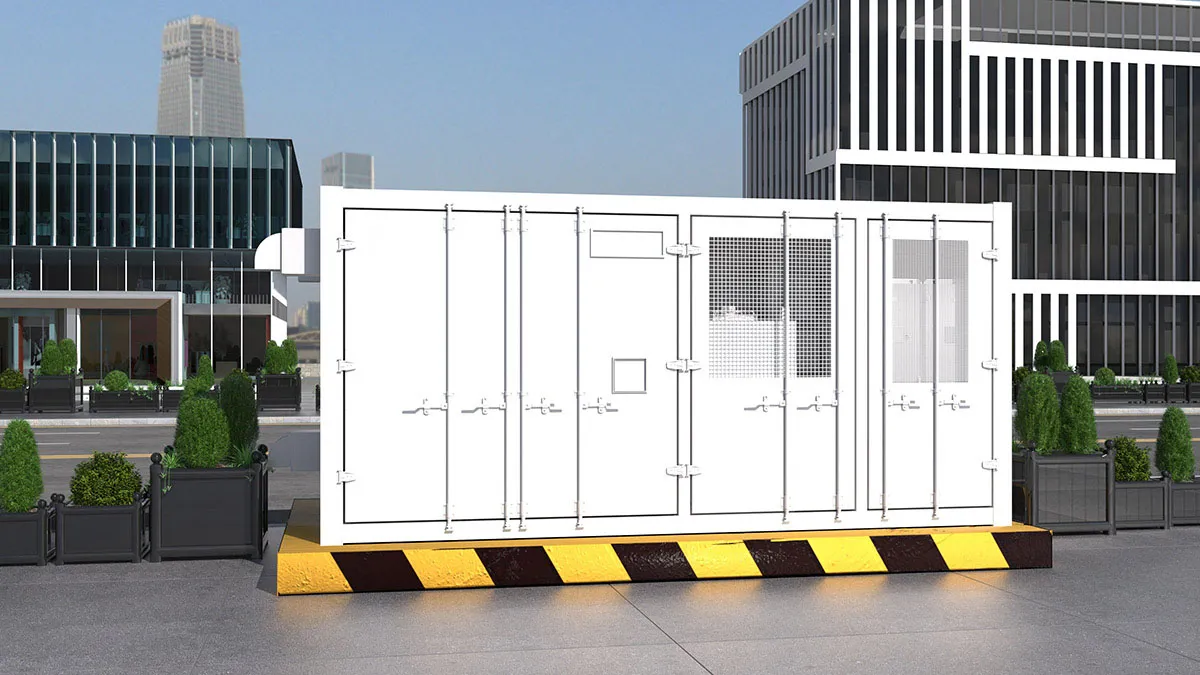
Solar batteries for commercial and industrial applications help businesses store excess solar energy and use it during peak demand hours or power outages. This not only lowers electricity bills but also protects operations from unexpected grid failures.
By reducing dependence on the utility grid, companies can better manage energy costs and ensure consistent power supply for critical equipment and production processes.
In addition, commercial solar battery systems support sustainability goals by cutting carbon emissions and improving overall energy efficiency. They can be integrated with energy management software to monitor usage patterns and optimize savings.
For factories, warehouses, and large facilities, solar battery storage offers a smart investment that boosts reliability, reduces long-term energy expenses, and supports a greener corporate image.
Industrials and factories are increasingly using solar batteries to save on energy costs and improve reliability. During peak hours, electricity rates can be high, but with energy storage, commercial and industrial can draw from their battery instead of the grid.
Key benefits for C&I solar battery systems that can help to lower operational costs, prevent production loss during outages and reduce carbon emissions and meet ESG goals. For example, a factory with a 100 kWh solar battery can cut its peak-hour electricity bill by up to 40%.
How do companies use solar batteries?
Companies use solar batteries to store excess solar energy generated during the day and then use that stored power when electricity demand or utility rates are high. This helps businesses reduce energy costs, avoid peak demand charges, and maintain operations during grid outages.
In commercial settings, solar batteries are often integrated with energy management systems (EMS) that automatically decide when to use stored power, when to charge the batteries, and when to pull from the grid.
Many companies also use solar batteries to stabilize voltage, improve power quality, and support sustainability goals by cutting carbon emissions. Overall, solar batteries give businesses greater energy independence, cost control, and reliability, while aligning with clean energy initiatives and ESG commitments.
Solar Battery for RVs, Boats, and Portable Use

Solar batteries for RVs, boats, and portable use provide a convenient and sustainable power source for people who love traveling or living off the grid. These compact battery systems store solar energy collected from portable panels, allowing users to power lights, appliances, and electronic devices without relying on fuel or shore power.
They’re lightweight, efficient, and designed to handle outdoor conditions, making them perfect for road trips, marine adventures, and camping. In addition, portable solar batteries help reduce noise and emissions compared to traditional generators. Many models include built-in inverters, USB ports, and smart displays for easy monitoring and charging.
Whether you’re camping in the wilderness or sailing across open waters, these batteries offer clean, silent, and reliable energy, ensuring comfort and convenience wherever your journey takes you.
For people who love travel and freedom, solar batteries make life on the road or at sea much easier. They allow you to enjoy electricity wherever you go, no noisy generators or campsite hookups needed.
These Applications include RV solar setups for long trips, marine solar systems for yachts and boats and compact batteries for van conversions. Lithium batteries (especially LiFePO4), due to their safety, lightweight design, and high efficiency, are the best choice for solar battery energy storage.
Portable Solar Batteries for Camping & Remote Areas

Portable solar batteries for camping and remote areas offer a clean and dependable way to power your essential gear when you’re far from the grid. They capture energy from compact solar panels and store it for later use, allowing campers to charge phones, lights, fans, and even small refrigerators without using noisy generators.
Lightweight and easy to carry, these batteries are designed for outdoor conditions, providing consistent power in places where traditional electricity isn’t available.
Beyond convenience, portable solar batteries promote eco-friendly and quiet camping. Many come with USB, AC, and DC outlets, as well as fast-charging technology, making them versatile for different devices.
With their simple plug-and-play design, users can enjoy energy independence while reducing their carbon footprint. Whether for camping, hiking, or working remotely in nature, portable solar batteries bring comfort, safety, and sustainability wherever you go.
If you’re hiking, camping, or living off-grid temporarily, a portable solar battery can power your essentials, such as phones, lights, and even small appliances. Portable batteries often pair with folding solar panels, which charge them during the day. They’re quiet, clean, and easy to carry, making them perfect for outdoor lovers.
Some popular portable solar batteries choices are, Jackery, Bluetti, EcoFlow, Anker, ranging from 300Wh to 2000Wh capacities. It is good when features weatherproof, fast-charging models with multiple output ports (USB, AC, DC).
Future Trends in Solar Battery Use
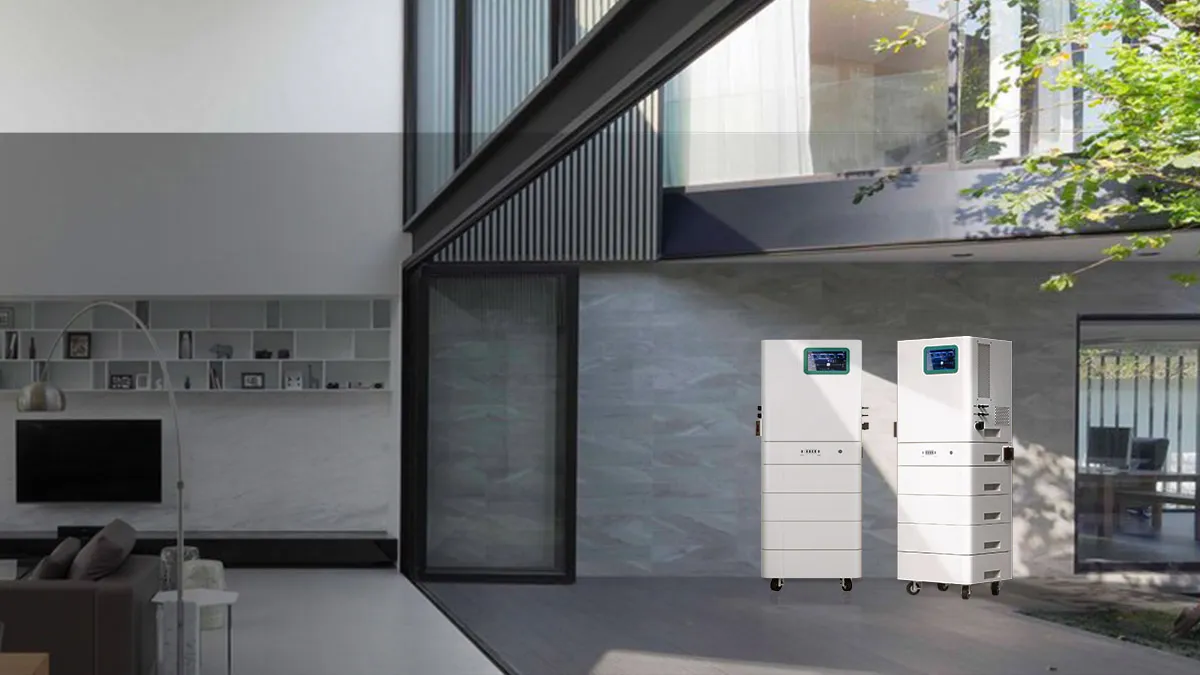
Future trends in solar battery use are focused on making energy storage smarter, more efficient, and more affordable. With rapid advances in lithium-ion and solid-state battery technology, solar batteries are becoming smaller, safer, and capable of storing more power.
Integration with AI-powered energy management systems will allow homes and businesses to automatically optimize when and how stored solar energy is used, maximizing savings and reducing grid reliance. In the coming years, we’ll also see a rise in community energy storage systems and vehicle-to-home (V2H) solutions, where electric cars act as backup batteries for households.
Governments and companies are investing heavily in renewable storage innovations, driving prices down and adoption up. These developments will make solar battery systems a central part of the global clean energy transition, supporting sustainability goals and creating more resilient energy networks worldwide.
The world of solar batteries is evolving fast. We’re now seeing AI-powered energy management systems that optimize charging and discharging, solid-state and sodium-ion batteries offering longer lifespans and faster charging, integration with smart home systems for full automation. These innovations will make solar energy storage even more efficient and affordable in the years to come.
Whether you’re living off-grid, running a business, or camping under the stars, there’s a solar battery setup for every lifestyle. By understanding the different use cases, you can choose a system that meets your energy goals, saving money, reducing emissions, and giving you power when you need it most.
If you’re planning to install one, always consult a certified solar installer to ensure your system is properly sized, safe, and efficient.