
Why Safety and Lifespan of Solar Batteries Matter
As solar batteries become the heart of both home and commercial energy systems, their safety, lifespan, and maintenance have never been more important. A well-maintained battery doesn’t just store power, it protects your investment, lowers energy bills, and keeps your lights on when the grid goes dark.
Understanding how to care for, inspect, and optimize your solar battery ensures that it performs reliably for 10 to 15 years, sometimes even longer.
The safety and lifespan of solar batteries matter because they directly affect how reliable and cost-effective your solar energy system will be. A well-designed and properly maintained battery not only stores energy efficiently but also protects your home or business from power interruptions and potential hazards like overheating or electrical faults.
Safe batteries ensure peace of mind, especially when operating continuously in changing weather or load conditions. At the same time, battery lifespan determines your long-term return on investment. The longer a battery can store and deliver energy effectively, the more savings you’ll achieve on electricity costs.
High-quality lithium iron phosphate (LiFePO₄) batteries, for example, can last over a decade with proper care. Investing in a safe, durable, and certified battery system helps maximize performance while minimizing maintenance and replacement costs over time.
Note: The brands listed are not ranked in any particular order.
Disclaimer: The company names, founding dates, and addresses are sourced from publicly available information online.
Please note: The list in this guide is not exhaustive. There may be other reputable solar battery brands worth considering.
Understanding Solar Battery Lifespan: Cycle Life & Degradation
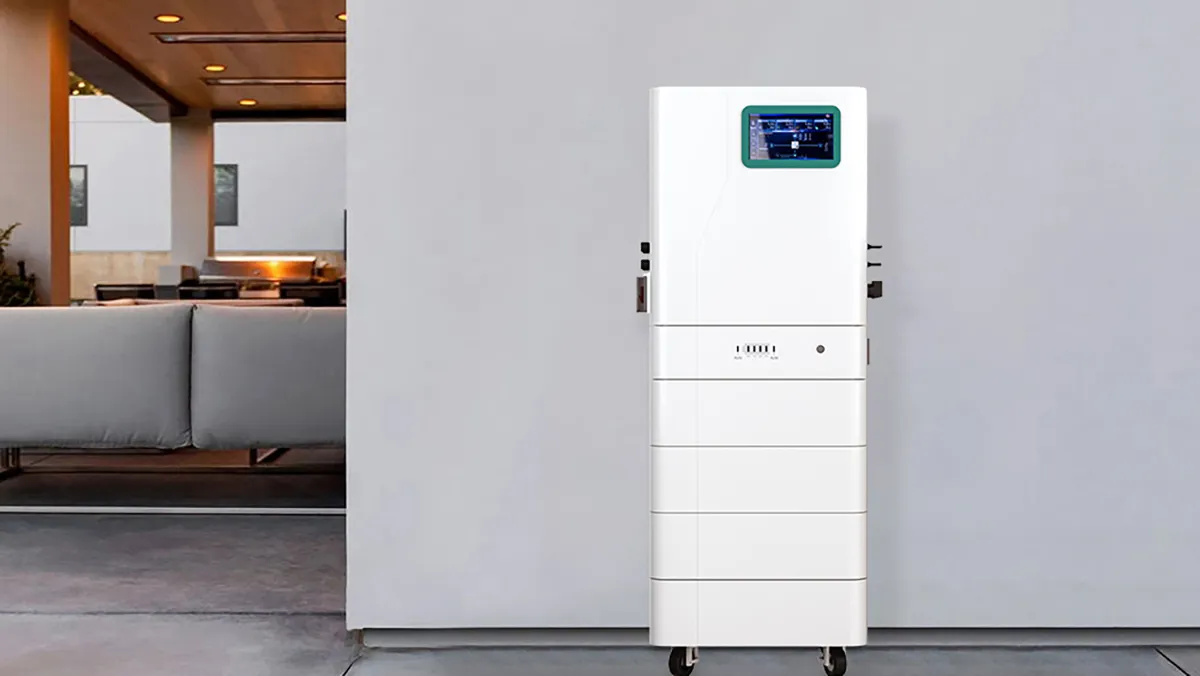
Solar batteries play a key role in modern energy systems, storing power from solar panels for use at night or during power outages. However, like any piece of technology, solar batteries don’t last forever.
Their lifespan, how long they can store and deliver energy efficiently, depends on several key factors, such as cycle life, degradation rate, and maintenance. In this guide, we’ll explain what these terms mean, how they affect performance, and how you can extend the life of your battery.
A solar battery’s lifespan is mainly measured by cycle life, how many times it can charge and discharge before its capacity drops below about 80%.
| Battery Type | Typical Cycle Life | Average Lifespan (Years) | Best Use Case |
| Lead-acid | 500 – 1 000 cycles | 3 – 5 years | Low-cost backup |
| Lithium-ion (LiFePO₄) | 4 000 – 8 000 cycles | 10 – 15 years | Homes & business |
| Flow battery | 10 000 + cycles | 15 – 20 years | Large storage |
Degradation is normal, heat, over-charging, and deep discharging slowly reduce usable capacity. Lithium-iron-phosphate (LiFePO₄) batteries remain the most stable and durable choice in 2025.
What Is Solar Battery Lifespan and Cycle Life?
The lifespan of a solar battery refers to how long it continues to perform effectively before its storage capacity drops significantly. Most solar batteries last 5 to 15 years, depending on the type, usage patterns, and environmental conditions.
A major factor in lifespan is cycle life, the number of charge and discharge cycles a battery can complete before its capacity falls below a certain level (usually 80% of its original capacity). One full cycle happens when a battery is fully charged and then completely discharged.
Lithium-ion batteries, especially LiFePO₄ (Lithium Iron Phosphate) models, often deliver 4,000–10,000 cycles, giving them a lifespan of 10–15 years. Lead-acid batteries typically offer 500–1,000 cycles, or around 3–5 years of effective use. In short, the higher the cycle life, the longer the battery can serve you before replacement becomes necessary.
Understanding Battery Degradation: Why Capacity Declines Over Time
Battery degradation means the gradual loss of energy storage capacity over time. Just like your phone battery holds less charge after years of use, solar batteries slowly lose efficiency with every cycle.
Several factors cause this degradation:
- Deep discharges: Regularly draining your battery to near 0% shortens its lifespan.
- High temperatures: Heat speeds up chemical wear inside the cells.
- Overcharging: Consistently charging beyond recommended levels can cause cell damage.
- Poor maintenance or low-quality components: These reduce both safety and longevity.
For example, a solar battery rated at 10 kWh might still function after 10 years but only store 8 kWh effectively. Manufacturers express this decline as a degradation rate, often between 1%–3% per year for lithium batteries. A lower degradation rate means better long-term performance and savings.
How to Extend Solar Battery Lifespan and Minimize Degradation
Good news is there are many ways to make your solar battery last longer and maintain its capacity. Here are some key best practices.
- Avoid deep discharges, try not to use the full capacity every day. Keeping your battery between 20%–80% charge helps reduce wear.
- Install in a cool, shaded area, heat is a major battery killer. Install batteries indoors or in ventilated enclosures to maintain an optimal temperature range (15°C–30°C).
- Use a quality Battery Management System (BMS), a BMS automatically regulates charging, discharging, and temperature—preventing overloads and thermal runaway.
- Regular monitoring and maintenance, use smart apps or monitoring software to track performance, voltage, and cycle history. Address irregularities early to prevent damage.
- Choose certified, high-quality batteries, look for brands that meet international safety and performance standards, such as IEC 62619, UL 1973, or UN38.3. Quality batteries degrade slower and last longer.
By following these tips, homeowners and businesses can get the most value out of their solar investment, enjoying consistent power storage and lower replacement costs over time.
The lifespan of a solar battery depends largely on cycle life and how effectively you manage degradation. By understanding how these two concepts work, you can make smarter choices, selecting reliable, efficient batteries and maintaining them properly for long-term savings.
Whether you’re powering a home, commercial, or off-grid cabin, investing in a high-quality lithium battery with good cycle life and proper care will ensure years of dependable, eco-friendly energy storage.
Solar Battery Safety: What You Need to Know
As solar batteries become a key part of home and business energy systems, safety has become a top concern. Whether you’re using a solar battery to store excess solar energy or for backup during outages, understanding how to handle and maintain it properly is essential.
From thermal runaway to fire prevention, and installation standards, knowing the basics of solar battery safety can protect your property and ensure your system runs smoothly for years.
Common Solar Battery Safety Risks and How to Prevent Them
Solar batteries are generally safe when installed and used correctly. However, like any electrical device, they come with a few potential risks, mainly overheating, short circuits, or physical damage.
The most serious concern is thermal runaway, a chain reaction that can occur in lithium-ion batteries if the internal temperature rises too high. This may lead to smoke, gas release, or even fire. Although rare, it’s important to prevent it through good design and regular checks.
Here’s how to minimize safety risks:
- Use certified batteries that meet international safety standards like UL 9540, UL 1973, or IEC 62619.
- Hire a licensed installer who follows local electrical codes and uses proper circuit protection.
- Avoid overcharging or deep discharging your battery; a good Battery Management System (BMS) will help manage this automatically.
- Keep batteries in a cool, dry, ventilated area, away from direct sunlight or moisture.
When properly installed and maintained, the risk of a solar battery fire or explosion is extremely low, comparable to common household electronics.
Safety Standards and Certifications You Should Look For
Not all solar batteries are created equal. High-quality batteries go through rigorous safety testing and certification to ensure they meet strict performance and protection standards. Here are the most important certifications to look for when purchasing a solar battery system:
| Standard / Certification | Purpose | What It Covers |
| UL 9540 / 9540A | Safety for energy storage systems | Fire prevention, thermal runaway testing |
| UL 1973 | Battery safety standard | Electrical, mechanical, and environmental performance |
| IEC 62619 | International safety standard for industrial lithium batteries | Overcharge, short-circuit, vibration, and temperature testing |
| UN 38.3 | Transportation safety | Battery safety during shipping and handling |
Choosing a certified product ensures your system complies with local permitting codes and reduces fire insurance risks. Many regions, like the U.S., EU, and Australia, now require certified systems for residential and commercial use.
Best Practices for Solar Battery Safety and Maintenance
Even the best solar battery system needs regular care to remain safe and efficient. Following these maintenance and usage best practices can help avoid hazards and extend battery life:
- Regularly check for warning signs, look out for swelling, discoloration, or unusual noises from the battery enclosure. These can indicate overheating or internal failure.
- Update firmware and monitoring systems, modern solar batteries come with smart software that tracks temperature, voltage, and charge cycles. Keeping your system updated helps detect potential issues early.
- Keep away from flammable materials, maintain clear space (at least 30–50 cm) around the battery installation area.
- Perform professional inspections annually, a qualified technician should inspect wiring, fuses, and cooling systems at least once a year to ensure everything remains safe.
- Handle damaged batteries properly, if your battery shows signs of damage, do not open or repair it yourself. Contact the manufacturer or installer for professional disposal and replacement.
By following these steps, you not only prevent accidents but also ensure your battery performs efficiently and safely for 10–15 years or longer.
Solar battery safety is all about using certified products, ensuring professional installation, and maintaining proper conditions. While incidents are rare, taking the right precautions gives you peace of mind and keeps your system running reliably.
Whether for a home or business setup, a safe solar battery means secure, sustainable, and worry-free energy storage. Safety is a top concern for any energy-storage system. Modern solar batteries come with built-in BMS that monitor temperature, voltage, and current to prevent accidents.
Solar Battery Maintenance: Tips & Costs

As solar batteries become an essential part of both home and business energy systems, maintaining them properly is key to ensuring long-term efficiency and safety. Whether you are using LiFePO4, lead-acid, or lithium-ion batteries, understanding how to maintain your solar battery system can extend its lifespan, reduce replacement costs, and ensure consistent power performance year-round.
Routine Maintenance: Keeping Your Solar Battery in Peak Condition
Proper solar battery maintenance starts with regular inspections. Every few months, check for corrosion, loose connections, and dirt accumulation on terminals. Dust, moisture, or debris can reduce efficiency or even cause safety issues over time.
For LiFePO4 batteries, which are commonly used in modern solar systems, maintenance requirements are minimal. They are sealed units with built-in BMS (Battery Management System) that automatically balances cells and protects against overcharging or deep discharging.
However, for lead-acid or gel batteries, periodic electrolyte checks and equalization charges are needed. Temperature monitoring is also crucial, maintaining your solar battery between 15°C and 30°C (59°F–86°F) helps avoid degradation caused by overheating or freezing conditions.
A simple preventive maintenance checklist can make a big difference.
| Maintenance Task | Frequency | Notes |
| Visual inspection for leaks, corrosion, or swelling | Monthly | Essential for all types |
| Cleaning terminals and battery housing | Every 3–6 months | Avoid moisture during cleaning |
| Checking BMS and inverter logs | Quarterly | Identify abnormal voltage or temperature |
| Full performance test | Annually | Ensures optimal charge/discharge rate |
How Proper Maintenance Extends Battery Lifespan
Solar battery lifespan largely depends on cycle life—the number of charge/discharge cycles it can perform before capacity drops significantly. A well-maintained LiFePO4 battery can last 10–15 years (over 6000 cycles), while lead-acid batteries may only reach 3–5 years if poorly maintained.
Poor maintenance accelerates battery degradation due to factors like overcharging, deep discharging, or temperature fluctuations. Implementing smart maintenance habits helps prevent these issues.
- Avoid complete discharges, keep your Depth of Discharge (DoD) under 80%.
- Use compatible solar inverters and charge controllers to ensure stable current flow.
- Inspect your BMS regularly, this system ensures cell balancing and temperature regulation.
- Store batteries in ventilated spaces to reduce heat buildup.
Regular care not only prevents premature failure but also ensures that your solar energy storage system performs efficiently during grid outages or nighttime use.
Maintenance Costs: What to Expect in 2025
Maintenance costs depend on the type of solar battery system you own. For homeowners using LiFePO4 batteries, yearly maintenance costs are relatively low, around $50–$150 per year, mainly for inspection and cleaning.
Commercial systems with larger battery banks or hybrid setups might spend $300–$600 annually, especially if professional technicians handle the inspections or BMS recalibration.
| Battery Type | Average Annual Maintenance Cost | Maintenance Complexity | Expected Lifespan |
| LiFePO4 (Lithium Iron Phosphate) | $50–$150 | Low | 10–15 years |
| Lead-Acid (Flooded) | $200–$400 | High | 3–5 years |
| Gel or AGM | $150–$300 | Medium | 5–8 years |
| Commercial ESS Systems | $300–$600+ | Moderate | 10+ years |
The return on investment is clear, a small annual maintenance budget can extend the system’s lifespan by several years, delaying expensive battery replacements and maximizing your energy independence.
Solar batteries are mostly low-maintenance, but a few simple checks keep them healthy.
| Maintenance Task | Frequency | Purpose |
| Visual inspection (cables, leaks) | Every 3 months | Catch early issues |
| System monitoring (via app) | Monthly | Track performance |
| Cleaning & dust removal | Quarterly | Avoid heat build-up |
| Firmware updates (BMS/inverter) | As released | Enhance efficiency |
| Professional service check | Yearly | Safety & capacity test |
Solar battery maintenance isn’t complicated, but it’s essential for safety, longevity, and performance. A well-maintained LiFePO4 system can easily outlast its warranty period, offering years of reliable energy savings. Whether you are managing a home energy storage system or a commercial solar setup, routine inspections and proper care ensure your investment keeps powering your world sustainably.
Troubleshooting Common Solar Battery Problems
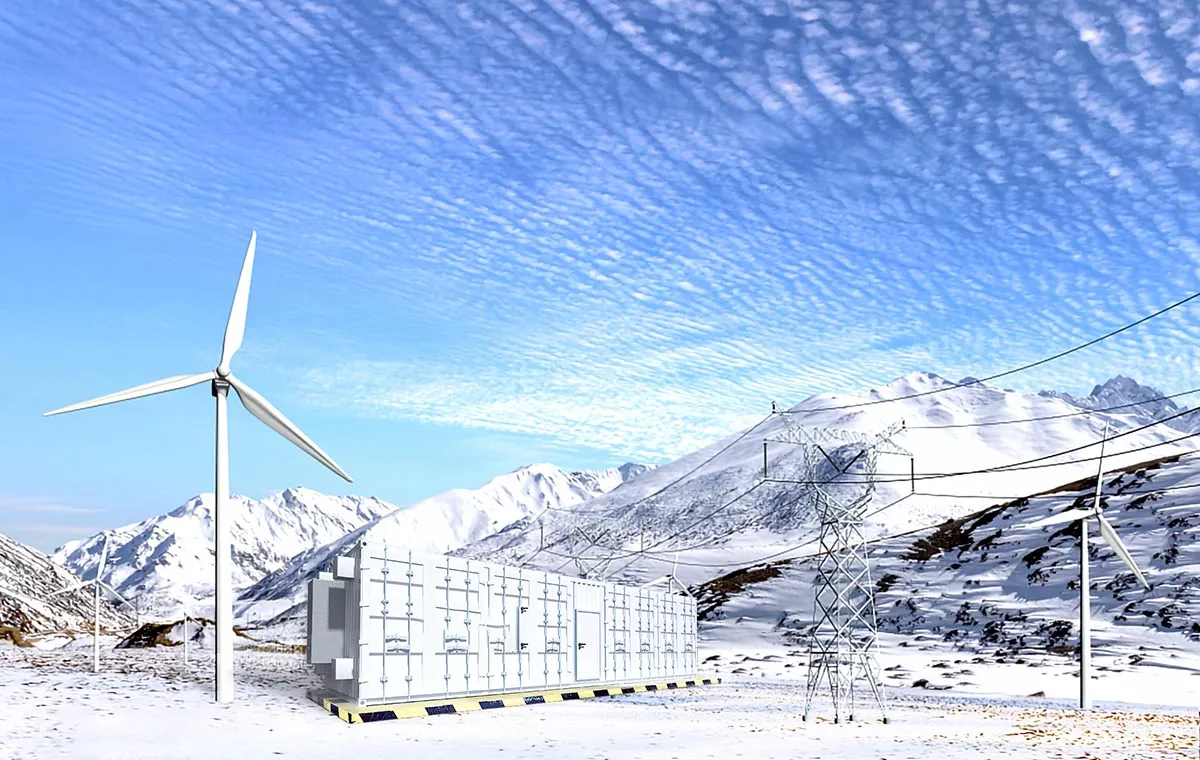
Solar batteries are the backbone of today’s renewable energy systems, providing backup power, grid independence, and optimized energy usage. However, like all technology, even the most advanced LiFePO4 or lithium-ion batteries can face occasional performance issues.
Understanding how to diagnose and fix these common problems ensures longer lifespan, higher efficiency, and better safety for both residential and commercial systems.
Identifying Common Solar Battery Issues
Before jumping into repairs, it’s crucial to understand what can go wrong with solar batteries. Most problems stem from incorrect installation, poor maintenance, or component mismatches between the battery, inverter, or charge controller.
Here are some of the most frequent issues users encounter.
| Problem | Likely Cause | Possible Impact |
| Battery not charging fully | Faulty charge controller, low solar input, or bad wiring | Reduced capacity and backup time |
| Rapid discharge or low runtime | Parasitic loads, old batteries, or high Depth of Discharge (DoD) | Shortened lifespan |
| Overheating | Poor ventilation or BMS malfunction | Thermal runaway risk |
| Inverter not recognizing battery | Communication failure (CAN/RS485) or incorrect battery settings | System shutdown |
| Voltage imbalance between cells | Aging cells or weak BMS balancing | Reduced efficiency and lifespan |
Tip: Always check whether your battery management system (BMS) or inverter app shows fault codes — these diagnostics can pinpoint the problem before you attempt physical inspection.
Diagnosing and Fixing Solar Battery Problems
Once you’ve identified the symptoms, follow a step-by-step approach to isolate and resolve the root cause.
Battery Not Charging or Discharging Properly
If your battery doesn’t charge to full capacity, start by checking your solar charge controller. Ensure it matches your battery type (e.g., LiFePO4, AGM, or lead-acid). Incorrect settings or low solar panel voltage can limit charging.
- Clean and inspect all DC connections.
- Measure voltage at both panel and battery terminals.
- Confirm that the controller’s charging parameters (float, bulk, absorption voltage) are correctly configured.
If your battery discharges too quickly, verify that no phantom loads are draining power overnight. Over-discharging can lead to capacity loss, especially in non-lithium chemistries.
If your solar battery becomes hot or swollen, it’s a red flag. This can be caused by overcharging or inverter malfunction, poor ventilation in the battery cabinet, defective BMS temperature sensors, and never use or charge a swollen battery, it can lead to leakage, fire, or explosion.
Instead.
Communication & Monitoring Errors
Many modern solar battery systems use smart monitoring protocols like RS485, CANBus, or WiFi-enabled BMS. If your inverter isn’t reading battery data, the issue could be firmware mismatch or a loose communication cable.
- Restart both inverter and battery system.
- Check if the inverter supports your specific battery brand (e.g., BYD, Pylontech, or Dyness).
- Update firmware if available — manufacturers often release patches to improve compatibility.
Preventive Measures: Avoiding Future Problems
Preventive maintenance is far cheaper than repairs. Here are some best practices to keep your solar battery running efficiently.
| Preventive Action | Frequency | Purpose |
| Check all terminals and cables for corrosion | Quarterly | Prevent voltage drops and fire risks |
| Clean dust and debris from the battery area | Every 3 months | Maintain cooling and airflow |
| Monitor BMS and inverter data logs | Monthly | Catch imbalance or overheat early |
| Balance cells (if not automatic) | Annually | Extend overall battery lifespan |
| Schedule professional inspection | Every 1–2 years | Detect internal cell issues early |
For LiFePO4 batteries, maintenance is easier thanks to integrated BMS protection. However, even smart systems need occasional firmware updates and environmental monitoring to stay at peak performance.
Safety Standards & Certifications
When buying a solar battery in 2025, look for these certifications.
| Standard / Certification | Meaning |
| UL 1973 | Stationary battery safety (USA) |
| IEC 62619 | International safety for Li-ion cells |
| CE Mark | EU compliance for electrical safety |
| UN 38.3 | Transport safety for lithium batteries |
| ISO 9001/14001 | Quality & environmental management |
These standards guarantee the battery meets fire, electrical, and thermal safety requirements.
Troubleshooting solar battery problems doesn’t have to be complicated, it’s all about systematic inspection and prevention. Most issues, from poor charging to overheating, can be avoided through proper installation, regular monitoring, and proactive maintenance.
Whether you power a home solar setup or a commercial ESS (Energy Storage System), understanding your system’s behavior ensures uninterrupted energy independence and protects your investment for the long term.
How to Extend the Life of Your Solar Battery? You can try to use a smart inverter or BMS to limit DoD, keep your battery cool and dry, avoid frequent deep discharges, clean terminals and ensure tight connections, update firmware and monitor through apps or schedule an annual professional inspection.
Future of Solar Battery Safety & Longevity
The next wave of solar batteries will feature AI-based monitoring, solid-state cells, and self-healing BMS that automatically optimize performance. Costs are falling ~ 10 % per year, while lifespans extend beyond 15 years. For both homes and businesses, safer and smarter energy storage is becoming the new standard.
| Brand/Model | Chemistry | Cycle Life | Safety Certifications | Smart BMS / App Support |
| Tesla Powerwall 3 | Li-ion (NMC) | 6 000 + | UL 1973, IEC 62619 | Yes – Tesla App |
| BYD Battery-Box Premium | LiFePO₄ | 8 000 + | CE, UL 9540A | Yes |
| LG RESU Prime | Li-ion (NMC) | 6 000 + | UL 1973, UN 38.3 | Yes |
| Sonnen eco | LiFePO₄ | 10 000 + | CE, ISO 9001 | Yes |
| Pylontech US5000 | LiFePO₄ | 6 000 + | IEC 62619, UN 38.3 | Yes |
Solar battery lifespan depends on chemistry, usage, and temperature, LiFePO₄ batteries offer the best balance of safety and longevity. Make sure you follow proper maintenance and monitoring routines to extend battery life and always choose systems with recognized safety certifications. Safer, longer-lasting solar batteries are reshaping energy storage for both homes and businesses in 2025 and beyond.
If you would like to know more about solar battery brands, please refer to the page Why Comparing Solar Batteries Matters in 2025.