
Solar Battery Policy, Incentives & Future Trends
As solar battery energy storage continues to grow around the world, 2025 marks a turning point. Governments are updating incentives, technology is evolving fast, and the focus on sustainability is stronger than ever. Whether you’re a homeowner planning to install a solar battery or a business exploring energy independence, understanding current solar battery policies, tax credits, and trends can help you save money and make smarter choices.
This article dives into how government policies, tax credits, and financial incentives are shaping the adoption of solar battery energy storage worldwide. In 2025, more countries are introducing rebates and net metering programs to encourage both homeowners and businesses to invest in solar-plus-storage systems. These policies not only make solar batteries more affordable but also accelerate the transition toward cleaner, renewable energy.
At the same time, rapid advancements in battery technology, from solid-state to flow batteries, are redefining the future of energy storage. Governments are also focusing on environmental sustainability, promoting battery recycling and second-life applications to reduce waste and dependence on raw materials. Together, these policy shifts and innovations are paving the way for a more efficient, resilient, and eco-friendly solar battery future.
Note: The brands listed are not ranked in any particular order.
Disclaimer: The company names, founding dates, and addresses are sourced from publicly available information online.
Please note: The list in this guide is not exhaustive. There may be other reputable solar battery brands worth considering.
- Solar Battery Policy, Incentives & Future Trends
- Solar Battery Incentives, Rebates & Tax Credits
- Solar Battery Tax Benefits & Policy Updates by Country / State
- Environmental Impact of Solar Batteries (Recycling & Raw Materials)
- Second-Life Batteries for Solar Storage Systems
- Grid Stability & Solar Battery Role in Demand Response / Peak Shaving
- Battery Storage for Solar Farms & Utility-Scale Projects
- Latest Innovations & Trends in Solar Battery Technology
- The Future of Solar Battery Tech: Solid-State, Flow, and Beyond
Solar Battery Incentives, Rebates & Tax Credits

As solar battery energy storage becomes more affordable and widespread, governments around the world are offering financial incentives to encourage adoption. From tax credits and rebates to state-level grants and green loans, these programs can dramatically reduce the cost of installing a solar-plus-storage system for both homeowners and businesses. Understanding how these incentives work, and how to qualify, can help you save thousands while making your property more energy independent.
How Solar Battery Incentives Work
Solar battery incentives are designed to reward individuals and organizations that invest in renewable energy storage. These incentives typically come in several forms.
| Type of Incentive | Description | Who Can Apply |
| Federal Tax Credit | A percentage deduction on your total system cost, including installation. | Homeowners, businesses |
| State or Local Rebate | Cash rebates from utilities or local governments to offset upfront costs. | Residential & commercial users |
| Performance-Based Incentives (PBI) | Payments based on how much energy your system stores or discharges. | Larger systems or commercial users |
| Green Energy Loans | Low-interest financing for renewable energy upgrades. | Homeowners & SMEs |
For example, in the U.S., the Investment Tax Credit (ITC) currently allows homeowners to claim up to 30% of their solar + battery installation costs as a federal tax deduction.
In Australia, the Small-scale Renewable Energy Scheme (SRES) provides tradable certificates that can be sold to offset costs. Meanwhile, countries in the EU are expanding clean energy funds to cover both residential and grid-scale storage.
Country-Specific Solar Battery Incentives in 2025
United State
- Federal ITC (30%): Applies to both solar panels and batteries charged at least 50% by solar energy.
- State Rebates: California’s SGIP offers up to $200–$1,000 per kWh for battery installations.
- Net Metering Benefits: In some states, battery owners can export stored energy back to the grid for credit.
Australia
- State Grants: South Australia and Victoria provide direct rebates for home energy storage.
- Virtual Power Plant (VPP) Incentives: Join community battery networks and earn credits for grid sharing.
- Green Loans: Offered by banks like Commonwealth Bank to support renewable home upgrades.
Europe
- Germany: Offers low-interest loans through KfW Bank for combined solar and battery systems.
- UK: Homeowners can access VAT reductions for solar batteries under government decarbonization plans.
- France & Italy: Provide up to 30–40% rebates on renewable home energy systems.
How to Maximize Your Solar Battery Savings
Getting the best return on your solar battery investment depends on careful planning and research.
- Stack Incentives — Combine federal, state, and local programs for maximum savings.
- Time Your Purchase — Apply before funding rounds close or rebate caps are reached.
- Work with Certified Installers — Many incentives require installation by approved professionals.
- Keep Documentation — Save invoices, permits, and performance reports for tax filing or rebate claims.
For commercial users, pairing a solar battery with energy management software can also qualify for additional carbon credits or sustainability certifications, improving your ROI and corporate ESG profile. Governments and utilities around the world are offering attractive incentives to make solar batteries more affordable.
In the United States, homeowners and businesses can take advantage of the Investment Tax Credit (ITC) — a 30% tax credit for installing solar energy systems and battery storage. As of 2025, even standalone battery systems qualify, making it easier to upgrade existing solar setups.
In Australia, battery rebates such as Victoria’s Solar Homes Program and South Australia’s Home Battery Scheme continue to offer financial relief for residential installations. In Europe, countries like Germany and the UK provide low-interest financing or direct subsidies to promote energy storage adoption.
Solar battery incentives and rebates are making renewable energy storage more accessible than ever in 2025. Whether you’re a homeowner looking to reduce electricity bills or a business seeking long-term energy resilience, these financial programs can significantly lower your initial costs.
As policies evolve globally, staying informed about available rebates and tax credits ensures you make the smartest, and most sustainable, investment possible.
Pro tip: Always check your local energy authority or utility provider’s rebate list, as regional programs often change yearly.
Solar Battery Tax Benefits & Policy Updates by Country / State

As solar energy adoption accelerates worldwide, tax benefits and policy updates for solar batteries are helping both homeowners and businesses save money while supporting the clean energy transition. In 2025, many governments are expanding renewable energy policies to include battery energy storage systems (BESS), rewarding those who invest in sustainability and grid stability.
How Solar Battery Tax Benefits Work
Solar battery tax benefits reduce the upfront cost of purchase and installation, often by providing deductions, rebates, or credits against your income tax. These incentives can apply to both residential and commercial systems, depending on your country or state’s renewable energy policy.
| Type of Tax Benefit | Description | Who Qualifies |
| Investment Tax Credit (ITC) | Deduct a percentage of your system cost (battery + solar) from federal taxes. | Homeowners & Businesses |
| Accelerated Depreciation (MACRS) | For businesses, allows faster tax write-offs on renewable energy assets. | Commercial Users |
| State or Regional Credits | Extra rebates or credits offered by local governments or utilities. | Varies by region |
| VAT / GST Exemptions | Lower or zero tax rate for solar + storage equipment. | EU, UK, Australia |
These incentives not only lower costs but also shorten your payback period, making solar batteries a more attractive long-term investment.
Country & State-Specific Policy Updates (2025)
United States
- Federal ITC (30%): Homeowners and businesses can claim up to 30% of their solar + battery system costs as a federal tax credit.
- Standalone Battery Eligibility: As of 2023, standalone batteries (charged from the grid or solar) also qualify for the ITC.
- California SGIP: Rebates up to $1,000/kWh for residential batteries.
- New York NYSERDA: Incentives covering up to 40% of project costs.
- Massachusetts SMART Program: Extra credits for battery-equipped solar systems.
Australia
- Federal Policy: While there’s no nationwide tax credit, states offer strong incentives.
- Victoria Solar Homes Program: Rebates up to AUD $4,800 for home batteries.
- South Australia Home Battery Scheme: Discounts up to $2,000, plus grid participation benefits.
- GST Relief: Some battery systems qualify for reduced GST when paired with solar.
Europe (EU + UK)
- Germany: The KfW 270 Loan Program offers low-interest financing for solar + storage.
- United Kingdom: As of 2024, 0% VAT applies to home energy storage systems.
- France & Italy: Offer 30–40% tax credits for home renewable systems with energy storage.
- Spain: Regional grants up to €5,000 per home system.
Asia & Emerging Markets
- Japan: Offers up to ¥100,000 (≈ USD $650) in subsidies for battery storage installations.
- India: Policy under development to include battery subsidies in the National Solar Mission.
- Thailand & Vietnam: Exploring tax relief and incentives for residential storage and grid-connected solar farms.
How to Qualify and Maximize Your Solar Battery Tax Benefits
- Choose Certified Installers, only certified or approved installers’ projects qualify for most national and state-level incentives.
- Install a System That Meets Local Standards, ensure your battery system complies with local safety and performance regulations (e.g., UL 9540 in the U.S., IEC 62619 in the EU).
- Claim Before Deadlines, many incentives are time-limited or capped per funding round. Submit applications early to lock in your benefits.
- Combine Multiple Incentives, you can stack federal, state, and local incentives (e.g., ITC + SGIP + utility rebates in California) to maximize savings.
The global solar battery policy landscape in 2025 is evolving rapidly, offering more financial support than ever before. Whether you’re in the U.S., Australia, or Europe, tax credits and incentives can help you reduce installation costs, lower energy bills, and boost property value.
By staying informed on the latest policy updates and choosing certified, high-efficiency systems, you can take full advantage of the solar battery revolution while contributing to a cleaner, more sustainable future.
Environmental Impact of Solar Batteries (Recycling & Raw Materials)
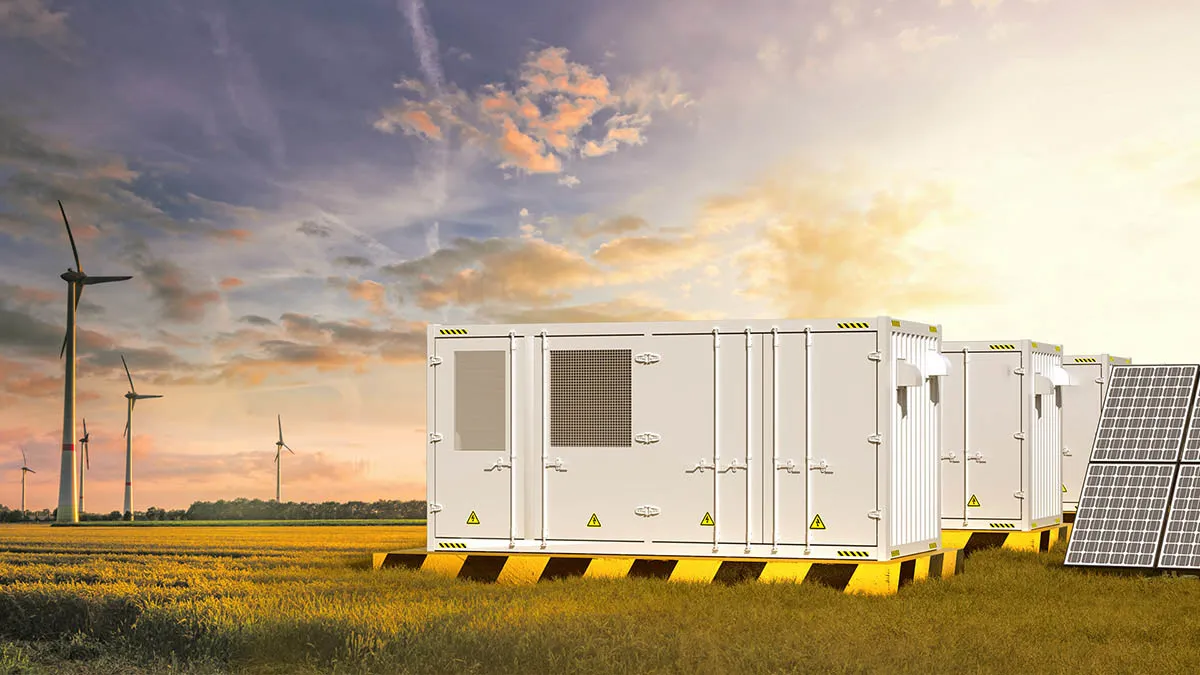
As solar energy becomes one of the world’s fastest-growing renewable technologies, solar batteries play a crucial role in storing clean power for homes, businesses, and even the grid. However, behind the sustainability promise lies an important question:
What is the environmental impact of solar batteries, and how can we make them greener?
The Environmental Footprint of Solar Battery Raw Materials
Solar batteries, especially lithium-ion types, rely on raw materials like lithium, cobalt, nickel, and manganese. These minerals are essential for performance but come with environmental costs.
Mining and Extraction Challenges
Mining these materials can cause habitat destruction, water pollution, and high carbon emissions. For instance:
- Lithium extraction in South America’s salt flats consumes large amounts of water.
- Cobalt mining in the Democratic Republic of Congo raises ethical and labor concerns.
- Nickel and manganese extraction contributes to soil and air pollution if not managed properly.
Transition to Sustainable Sourcing
The good news is that manufacturers are shifting toward responsibly mined materials and alternative chemistries. For example:
- LFP (Lithium Iron Phosphate) batteries eliminate the need for cobalt and nickel.
- Recycling and circular supply chains help reduce dependency on new mining.
Recycling Solar Batteries: Challenges and Opportunities
Once a battery reaches the end of its life, typically 10–15 years, recycling becomes essential to recover valuable materials and reduce waste.
Current Recycling Methods
Modern recycling processes recover metals like lithium, cobalt, copper, and aluminum using. However, recycling rates remain low—less than 20% of lithium-ion batteries are recycled globally today.
- Hydrometallurgical methods (acid-based leaching)
- Pyrometallurgical methods (smelting and refining)
Emerging Recycling Innovations
New technologies are making battery recycling more efficient:
- Direct recycling preserves cathode materials for reuse.
- Automated disassembly reduces manual labor risks.
Government policies in the EU, U.S., and China now require manufacturers to collect and recycle end-of-life batteries. By improving recycling infrastructure, we can recover valuable minerals, reduce environmental impact, and support a circular energy economy.
Building a Sustainable Solar Battery Future
Designing for Longevity
Manufacturers are focusing on longer cycle life, modular design, and easier disassembly to make batteries more sustainable. Every extra year of battery lifespan reduces resource demand and waste.
Second-Life Battery Use
Before recycling, used EV or solar batteries can be repurposed for secondary applications such as home backup systems, grid balancing and off-grid energy storage. This “second-life” approach extends battery utility and lowers the overall carbon footprint.
Government & Industry Collaboration
Policymakers are introducing green standards, producer responsibility laws, and tax incentives to encourage sustainable manufacturing and recycling. The EU Battery Regulation (2024) mandates recycled content in new batteries. The U.S. DOE funds battery recycling R&D through its ReCell Center.
Solar batteries are key to the clean energy revolution, but their sustainability depends on how we source, use, and recycle them. Through responsible mining, innovative recycling, and second-life applications, we can dramatically reduce their environmental footprint.
As technology advances and regulations strengthen, the future of solar battery production will not only power a greener planet, it will also protect the resources that make renewable energy possible.
Most modern systems use lithium-ion chemistry, which relies on materials like lithium, cobalt, and nickel. Mining and processing these materials can impact ecosystems if not properly managed. However, the good news is that global recycling initiatives are expanding.
New recycling plants in Europe, China, and North America are extracting up to 95% of raw materials from old batteries, reducing waste and resource demand. Additionally, second-life batteries from electric vehicles are finding new use in solar storage, extending their lifespan and minimizing environmental footprint.
Second-Life Batteries for Solar Storage Systems

As the clean energy industry grows, the question of what happens to used electric vehicle (EV) batteries is becoming more important. While these batteries may no longer meet the high-performance needs of EVs, they still have up to 70–80% of their original capacity left — making them perfect for solar energy storage.
This is where second-life batteries come in. By repurposing used EV batteries for solar storage, we can reduce waste, lower costs, and build a more sustainable energy ecosystem.
What Are Second-Life Batteries and How Do They Work?
After several years of use, EV batteries gradually lose capacity and can’t provide the range drivers expect. However, these same batteries can still store and discharge electricity effectively, ideal for stationary solar storage.
When repurposed, these batteries are tested for remaining capacity, reconfigured into larger packs and integrated into solar-plus-storage systems for homes, businesses, or even utility-scale setups.
Most second-life applications use Lithium-Ion NMC (Nickel Manganese Cobalt) or LFP (Lithium Iron Phosphate LiFePO4) batteries. LFP is gaining popularity due to its long cycle life and better thermal stability, making it a safer and lower-maintenance option for reuse.
Second-life batteries can store excess solar energy during the day and release it at night or during power outages. They act as a buffer between solar panels and the grid, improving energy self-consumption and reducing reliance on fossil fuels.
Key Benefits of Second-Life Batteries for Solar Storage
New solar batteries can be expensive, but second-life batteries typically cost 30–50% less. This affordability makes solar storage accessible to more homeowners and small businesses, accelerating the adoption of renewable energy.
Repurposing used EV batteries extends their lifespan by another 5–10 years, delaying recycling and reducing waste. This helps cut down on raw material mining, manufacturing emissions, and electronic waste, contributing to a circular economy.
In regions with unstable electricity or frequent blackouts, second-life batteries provide a reliable power backup. At a larger scale, they can support grid balancing, frequency regulation, and peak shaving, helping utilities manage demand efficiently.
Challenges and the Road Ahead
Each used EV battery has a different history, making performance inconsistent. Testing, grading, and matching cells for reuse requires advanced diagnostics and standardized protocols, which are still evolving.
Because second-life batteries are repurposed, they raise questions about safety, reliability, and warranty coverage. Manufacturers and integrators must ensure proper thermal management, fire prevention, and system monitoring to gain customer trust.
The second-life battery market is projected to grow rapidly by 2030, driven by the rising number of retired EVs.
Major automakers like Nissan, BMW, and Tesla are already exploring second-life projects, such as:
- Powering buildings and factories
- Supporting renewable microgrids
- Supplying grid-scale storage solutions
As recycling and refurbishment technologies improve, second-life batteries will become a mainstream option for solar energy storage, combining economic value, sustainability, and performance.
Second-life batteries bridge the gap between clean mobility and renewable energy storage. They give used EV batteries a new purpose, helping reduce costs and environmental impact while boosting the flexibility of solar energy systems.
With ongoing innovation, stronger policies, and wider adoption, second-life battery storage could play a major role in achieving a truly sustainable, circular clean energy future.
Second-life batteries are used EV batteries repurposed for solar storage systems. Although these batteries may no longer meet the high performance demands of cars, they can still provide 80% or more of their original capacity, enough for stationary energy storage.
Challenges include certification, warranty support, and ensuring consistent performance. However, as major automakers like Tesla, Nissan, and BYD explore circular battery economies, second-life systems are becoming more standardized and safer.
Grid Stability & Solar Battery Role in Demand Response / Peak Shaving
As the world transitions to renewable energy, maintaining a stable and reliable power grid becomes a growing challenge. Solar energy is clean and abundant, but it’s also intermittent, the sun doesn’t always shine when electricity demand is high. This is where solar batteries come in.
By storing excess energy and releasing it during peak hours, solar batteries help balance the grid, support demand response programs, and reduce energy costs for both homes and businesses. In this article, we’ll explore how solar batteries enhance grid stability, what “peak shaving” really means, and how this technology is shaping the future of energy management.
Understanding Grid Stability and Demand Response
Grid stability refers to the ability of an electrical grid to maintain a consistent supply of power even when demand fluctuates. When too many people use electricity at the same time, such as during hot summer afternoons, the grid can become overloaded.
To prevent blackouts or brownouts, utilities must balance generation and consumption in real-time. This is where solar battery storage systems play a vital role.
The Role of Solar Batteries in Demand Response
Demand response programs encourage consumers to adjust their energy usage during high-demand periods. Solar batteries enable this by automatically drawing power from stored solar energy instead of the grid when demand spikes. This helps to
- Reduce grid stress
- Lower electricity prices
- Support renewable integration
- Improve energy resilience
For residential users, smart inverters and battery systems can detect when utility rates rise and switch to stored power. For commercial or industrial facilities, large-scale solar batteries can offset peak loads, saving thousands of dollars annually in demand charges.
What Is Peak Shaving and Why It Matters
Peak shaving means reducing energy use from the grid during times of highest demand. This is crucial because utilities charge more during these “peak” hours, sometimes double or triple the normal rate.
With solar-plus-battery systems, users can “shave” these peaks by charging batteries when electricity is cheap (or from solar panels) and discharging stored energy when prices are high. This strategy helps flatten the demand curve, making the grid more efficient and less prone to overloads.
For businesses with heavy equipment or cooling systems, energy bills often include “demand charges” based on their highest usage spikes. Solar batteries smooth out these peaks, cutting monthly costs dramatically. In regions like California or Australia, this can mean savings of 20–40% on electricity bills.
Peak shaving also reduces the need for fossil fuel-based “peaking plants,” which utilities activate during high-demand periods. By relying on solar batteries instead, we cut emissions and make the energy system greener and cleaner.
The Future: Solar Batteries as Grid Assets
In the near future, thousands of home and commercial batteries could be linked digitally into a Virtual Power Plant. This network can store renewable energy at scale, discharge power collectively during high demand and provide frequency regulation and backup to the grid.
Such solar systems are already being tested in places like Germany, Japan, and the U.S., showing how distributed solar storage can act like a power plant without burning any fuel.
Governments and utilities are now offering incentives and grid participation payments for battery owners who help stabilize the grid. Large-scale solar farms are pairing with megawatt-hour battery banks to provide grid frequency control, peak load management, and emergency power reserves.
The integration of solar batteries into national grids could transform energy management, creating a system that are more resilient, more efficient and 100% renewable-ready.
By supporting demand response and peak shaving, solar batteries aren’t just tools for individual savings, they are becoming essential building blocks of a smart, sustainable energy future.
Solar Battery Is Shaping the Future of Power
Solar batteries are redefining how electricity grids operate. They make renewable energy more reliable, reduce peak demand, and enhance both energy independence and grid resilience.
Whether at a household, business, or utility level, solar energy storage plays a central role in shaping the future of power — one that’s cleaner, smarter, and more balanced.
Beyond homes and businesses, solar batteries play a huge role in grid management. They support peak shaving which is reducing power use during high-demand hours, frequency regulation which is balancing electricity supply and demand and virtual power plants (VPPs) connected home batteries that work together to support the grid.
Countries like Australia, Japan, and the United States are pioneering VPP projects, paying battery owners for the energy they send back to the grid. It’s a win-win, better grid stability and lower electricity bills.
Battery Storage for Solar Farms & Utility-Scale Projects
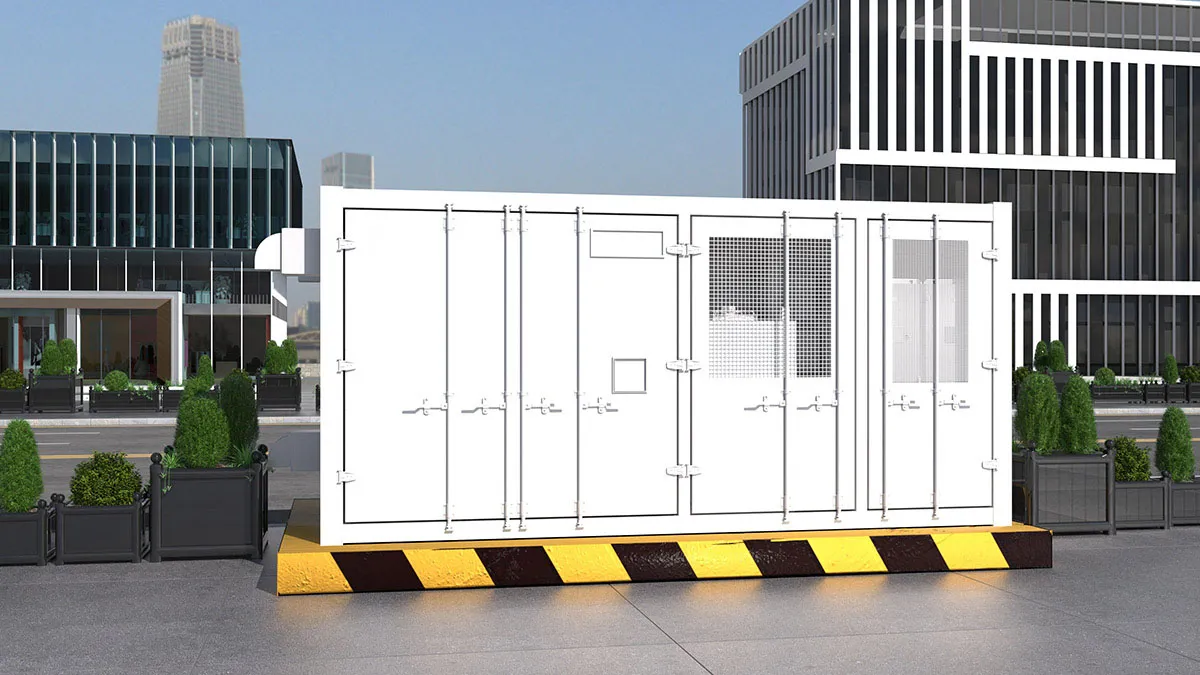
As renewable energy scales globally, battery storage systems have become essential to making solar farms and large-scale solar projects more reliable, efficient, and profitable. While solar power provides abundant clean energy, its intermittent nature, when the sun isn’t shining, creates challenges for grid operators. That’s where utility-scale battery storage comes in, helping stabilize supply and support grid resilience.
How Battery Storage Works in Utility-Scale Solar Projects
Utility-scale solar farms generate electricity during daylight hours, often exceeding grid demand. Instead of letting this excess power go to waste, battery energy storage systems (BESS) capture and store it for later use. During evening peak hours or cloudy periods, stored energy can be discharged back into the grid, improving power reliability and maximizing the return on solar investments.
A complete solar battery storage system typically includes
- Battery modules (often lithium-ion, flow, or sodium-ion types)
- Battery management systems (BMS) for monitoring safety and efficiency
- Inverters to convert DC to AC power
- Thermal management and protection systems to prevent overheating and ensure stability
Together, these components enable real-time energy balancing and seamless integration into existing grid infrastructures.
Utility projects are often defined by two key metrics.
Power capacity (MW) means how much electricity can be delivered at once; Energy capacity (MWh) means how long the system can sustain that power. For example, a 100 MW / 400 MWh battery can supply 100 MW of power for four hours, enough to offset peak demand or support grid services.
Benefits of Utility-Scale Solar Battery Storage
Solar batteries help maintain frequency and voltage stability, preventing blackouts and allowing for smoother integration of renewables. By balancing supply and demand in real time, they act as virtual power plants (VPPs), supporting both frequency regulation and load shifting.
Battery systems enable peak shaving, where stored solar energy is used during high-demand periods to reduce strain on the grid. This not only lowers utility costs but also prevents fossil-fuel-based peaker plants from ramping up, leading to lower emissions and a greener energy mix.
For regions with unstable grids or high energy costs, solar-plus-storage systems offer autonomy. Countries and utilities are now adopting hybrid models where solar farms and battery storage operate jointly to ensure 24/7 renewable power availability.
Technologies and Future Trends in Utility-Scale Battery Storage
While lithium-ion batteries dominate today’s utility-scale storage, emerging chemistries like solid-state, vanadium redox flow, and sodium-ion are gaining traction. These next-generation technologies promise higher cycle life, safer operation, and lower costs.
Global projects are expanding rapidly:
- The Hornsdale Power Reserve in South Australia (150 MW/193.5 MWh) set a benchmark for utility-scale storage.
- The Moss Landing Energy Storage Facility in California now exceeds 750 MW/3,000 MWh, highlighting how battery farms are scaling to meet grid demand.
Such installations demonstrate how energy storage is transitioning from pilot projects to critical infrastructure.
Government policies and renewable energy incentives are accelerating adoption. Many regions now offer capacity payments, investment tax credits (ITCs), or feed-in tariffs for solar-plus-storage projects, making large-scale deployment economically viable.
Utility-scale solar battery systems are transforming how countries store renewable energy. Unlike small residential batteries, large systems (measured in megawatt-hours) store energy for entire communities or industrial zones. They help integrate solar and wind energy into the grid, reduce curtailment, and improve energy security.
For example:
| Country | Example Project | Capacity (MWh) |
| Australia | Hornsdale Power Reserve | 194 MWh |
| USA | Moss Landing Battery (California) | 3,000 MWh |
| China | Dalian Flow Battery Project | 400 MWh |
| UK | Clay Tye Battery Storage | 99 MWh |
These projects show how storage is scaling beyond homes, becoming the backbone of renewable energy infrastructure.
Battery storage for solar farms is no longer an optional add-on—it’s the foundation for a stable, sustainable, and renewable energy future. As technology costs drop and efficiency improves, utility-scale solar battery systems will play a pivotal role in decarbonizing power grids, enhancing grid flexibility, and ensuring continuous clean energy supply.
The future lies in integrated solar and storage ecosystems that transform the way we generate, store, and use electricity worldwide.
Latest Innovations & Trends in Solar Battery Technology
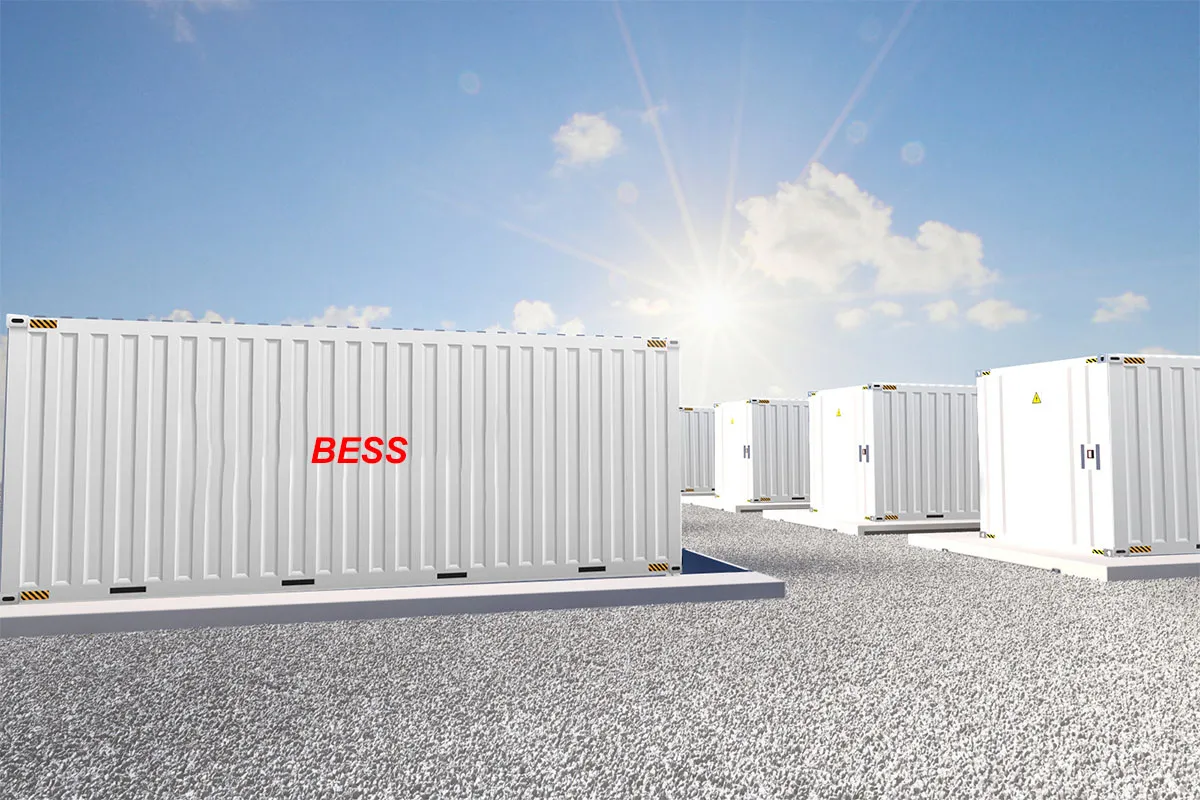
The global demand for clean, reliable, and affordable energy is fueling rapid innovation in solar battery technology. As solar adoption grows, so does the need for smarter, safer, and more efficient energy storage solutions. From next-generation materials to AI-driven management systems, the solar battery market is transforming faster than ever before.
Next-Generation Battery Chemistries: Beyond Lithium-Ion
One of the most anticipated breakthroughs in solar energy storage is the solid-state battery. Unlike traditional lithium-ion batteries that use liquid electrolytes, solid-state batteries use solid materials, offering higher energy density, faster charging, and better safety.
They reduce fire risks and promise a much longer lifespan, making them ideal for home solar systems and utility-scale applications. Companies like Toyota, QuantumScape, and CATL are leading research and pilot production in this space.
Flow batteries, particularly vanadium redox flow batteries (VRFBs), are gaining attention for large-scale solar farms and microgrids. Unlike lithium-ion systems, they store energy in liquid electrolytes that circulate through the system, allowing easy scalability and long-duration discharge.
Flow batteries can last 10,000+ cycles, making them perfect for grid stabilization and peak shaving applications.
With lithium prices fluctuating, sodium-ion batteries have emerged as a cost-effective and abundant alternative. While slightly lower in energy density, sodium-ion batteries excel in cold climates, have low material costs, and are environmentally friendly.
Major manufacturers like CATL and BYD are already testing sodium-ion systems for commercial solar storage.
Smart Battery Management Systems (BMS) and AI Integration
Artificial intelligence is transforming how solar batteries are monitored and used. Through AI-based energy management, systems can predict energy demand, weather patterns, and charging cycles to maximize efficiency and extend battery life.
For instance, AI can automatically shift battery discharge times to coincide with high electricity prices or peak grid demand, helping homeowners and businesses save on energy costs.
The rise of the Internet of Things (IoT) enables real-time tracking of voltage, temperature, and charge cycles in solar battery systems. Smart sensors send performance data to cloud-based dashboards, allowing users and grid operators to detect faults early and optimize energy flow.
This connectivity supports predictive maintenance, reducing downtime and extending the system’s operational lifespan.
As battery systems become more connected, cybersecurity has become a crucial innovation area. Modern BMS solutions now include encryption and real-time intrusion detection, ensuring that solar battery networks remain secure from potential data or operational breaches.
The Future Landscape: Sustainability, Recycling & Market Growth
Sustainability is a growing priority in solar battery production. Manufacturers are focusing on reducing the environmental impact of mining and disposal by using recycled lithium, cobalt-free cathodes, and eco-friendly electrolytes.
New processes now allow up to 95% recovery of valuable materials from used batteries, creating a closed-loop supply chain that minimizes waste.
Modern solar batteries are designed with modularity in mind, allowing users to easily expand capacity as their energy needs grow. These plug-and-play systems simplify installation, reduce upfront costs, and make solar-plus-storage solutions accessible for both residential and commercial users.
According to BloombergNEF, the global energy storage market is expected to grow from 150 GW in 2024 to over 1,000 GW by 2035. Governments and investors are increasingly supporting energy storage incentives, grid modernization, and battery research funding.
This massive expansion will drive further innovation in cost reduction, sustainability, and high-performance solar batteries, leading to broader renewable energy adoption worldwide.
The latest innovations in solar battery technology are redefining what’s possible for clean energy. From solid-state breakthroughs and AI-driven optimization to sustainable recycling initiatives, the industry is moving toward smarter, safer, and more affordable energy solutions.
As costs continue to drop and technology advances, solar battery storage will become the cornerstone of global energy independence, powering homes, industries, and entire cities with renewable energy 24/7.
The Future of Solar Battery Tech: Solid-State, Flow, and Beyond
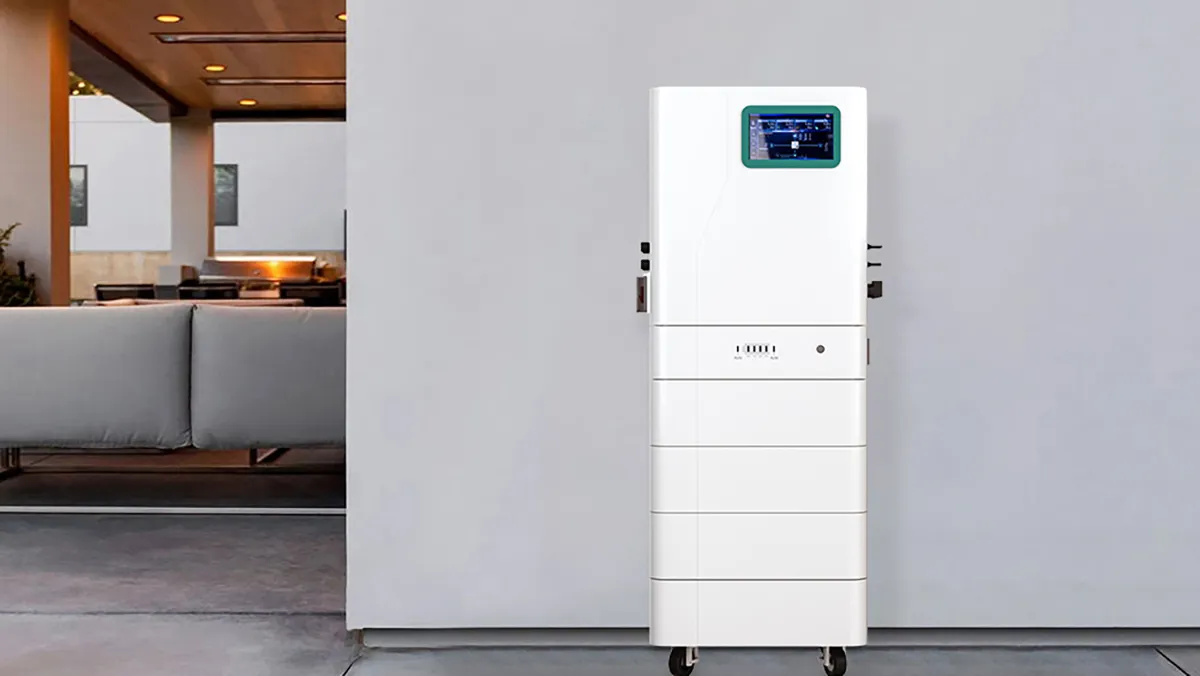
As renewable energy continues to reshape the global power landscape, solar battery technology is at the heart of this transformation. Traditional lithium-ion batteries have dominated for years, but the next generation of solid-state, flow, and hybrid battery technologies promises to redefine how we store and use solar energy.
Solid-state batteries are replacing the liquid or gel electrolytes found in conventional lithium-ion batteries with a solid electrolyte, such as ceramic, glass, or sulfide materials. This structural shift delivers higher energy density, improved safety, and longer life cycles.
With no flammable liquid inside, solid-state batteries significantly reduce fire risks and operate efficiently in extreme temperatures, making them ideal for solar storage systems in both residential and commercial setups.
The biggest appeal of solid-state batteries lies in their energy-to-weight ratio, they can store more energy in less space. For homeowners, this means smaller, more efficient battery packs that last up to twice as long as traditional lithium-ion systems.
They also have faster charging times, lower degradation, and minimal maintenance, making them the perfect match for next-generation solar-plus-storage systems.
| Feature | Solid-State Battery | Lithium-Ion Battery |
| Energy Density | 400–500 Wh/kg | 200–300 Wh/kg |
| Cycle Life | 5,000–10,000 cycles | 2,000–8,000 cycles |
| Safety | No fire risk | Risk of thermal runaway |
| Operating Temperature | -20°C to 80°C | 0°C to 45°C |
Despite their potential, mass production and cost remain challenges. Manufacturing solid-state batteries requires precision and specialized materials, making them currently more expensive. However, leading companies like Toyota, QuantumScape, and CATL are investing heavily in scaling production, aiming for commercial readiness by 2027–2030.
Flow Batteries: Long-Duration Energy Storage for the Future
Unlike lithium-ion or solid-state batteries, flow batteries store energy in liquid electrolytes contained in external tanks. These electrolytes “flow” through the battery cell during charging and discharging, making them easy to scale up for long-duration energy storage.
Flow batteries are ideal for solar farms, microgrids, and off-grid energy systems, where energy needs to be stored and released steadily over many hours.
Flow batteries offer nearly unlimited cycle life, minimal degradation, and safe operation with non-flammable, water-based electrolytes. This makes them one of the most sustainable storage options for utility-scale projects and industrial solar systems.
| Feature | Flow Battery | Lithium-Ion Battery |
| Cycle Life | 10,000+ cycles | 3,000–8,000 cycles |
| Storage Duration | 6–12 hours | 2–4 hours |
| Scalability | High (add larger tanks) | Limited by cell design |
| Maintenance | Low | Medium |
| Safety | Very high | Medium |
Modern vanadium redox flow batteries (VRFBs) and zinc-bromine batteries are already being deployed in Australia, China, and the U.S. for grid-level solar integration. These systems enable peak shaving, demand response, and 24/7 renewable energy access, making them critical to a resilient, green energy future.
Beyond Lithium: Emerging Battery Technologies & Future Outlook
With lithium prices and supply chains under pressure, sodium-ion batteries are quickly gaining traction. Sodium is abundant, low-cost, and environmentally friendly. While it offers slightly lower energy density, new innovations are closing that gap, making sodium-ion solar batteries a strong contender for residential energy storage.
Future solar storage systems are likely to be hybrid models, combining multiple chemistries, such as lithium + flow, or supercapacitor + sodium-ion, to balance fast response with long-duration energy delivery. This hybridization will enable more flexible, efficient, and cost-effective solar grids.
The next phase of innovation lies in AI-driven energy management and closed-loop recycling. Artificial intelligence will optimize battery charging and discharging, while recycling technologies will recover over 90% of valuable materials from retired batteries, reducing waste and improving sustainability.
By 2035, experts predict that next-gen batteries like solid-state and flow systems could reduce solar energy storage costs by 60%, enabling true 24-hour renewable energy access for homes, businesses, and entire cities.
The future of solar battery technology is bright, and diverse. From solid-state breakthroughs that boost safety and lifespan, to flow batteries that provide reliable long-duration storage, and emerging solutions like sodium-ion systems, innovation is reshaping the solar energy landscape.
As technology advances and costs continue to fall, solar battery energy storage will play a central role in achieving global clean energy goals, delivering power that’s not just renewable, but truly sustainable.
Solid-state batteries promise 2–3x higher energy density and no risk of liquid electrolyte leakage. Meanwhile, flow batteries use liquid electrolytes that never degrade significantly, offering potential lifespans of 20+ years.
As costs continue to drop and technology matures, solar batteries are expected to become a standard part of every solar installation, from homes to factories to entire cities.
If you would like to know more about solar battery basics, please refer to the page How to Choose and Size the Right Solar Battery for Your Home.