
Solar Battery Energy Storage Market in China
China has become the global powerhouse in solar battery energy storage manufacturing, exporting millions of lithium batteries, home ESS systems, hybrid inverters, and containerized storage stations every year. As solar PV adoption accelerates worldwide, energy storage is no longer optional, it is the backbone of modern solar systems for households, businesses, and grid operators.
If you are a global buyer, installer, wholesaler, or distributor planning to import solar batteries or complete ESS systems from China, this guide provides a comprehensive overview of the latest market trends, technologies, manufacturers, pricing models, and step-by-step buying strategies to help you avoid common mistakes and choose reliable suppliers.
Let’s dive into the most complete and up-to-date China solar battery energy storage market research available in 2026.
Note: The brands listed are not ranked in any particular order.
Disclaimer: The company names, founding dates, and addresses are sourced from publicly available information online.
Please note: The list in this guide is not exhaustive. There may be other reputable solar lithium battery cell brands worth considering.
What Is Driving Massive Growth in ESS Manufacturing in China?
China’s energy storage boom is powered by a combination of industrial scale, government policy support, and global solar demand. The Chinese National Energy Administration (NEA) aims to build a new power system focused on renewable energy and distributed storage. This policy direction has pushed thousands of factories to scale up production of lithium iron phosphate (LFP) batteries, hybrid inverters, EMS/BMS systems, and full-stack ESS solutions.
Additionally, the cost of lithium battery production has dropped by more than 35% since 2020. China’s supply chain, from cathode materials to BMS chips, is fully localized. Export demand continues to surge from Europe, Southeast Asia, the Middle East, and Africa. The result is a highly competitive export ecosystem with excellent price-performance ratios.
China’s dominance comes from decades of industrial development, such as gigafactories producing billions of cells per month, low-cost but high-quality LFP technology, ultra-efficient supply chains, advanced EMS/BMS innovation and strong OEM/ODM capabilities. For buyers, this provides many benefits: flexible MOQs, scalable production, competitive pricing, fast delivery, and strong R&D support.
There are various of popular types of solar batteries produced in China, such as
- Lithium Iron Phosphate (LFP) batteries, which is the king of modern solar storage due to its better thermal stability, long lifespan and higher round-trip efficiency. Most home and commercial ESS systems exported from China use LFP packs in 51.2V (48V nominal) configurations.
- NCM/NCA Lithium Batteries, these offer higher energy density, better performance in cold climates and smaller footprint. BRut safety and cost challenges make them less common in solar storage compared to LFP.
- Lead-Acid, AGM & Gel Batteries, these remain popular in rural off-grid markets in Africa and South Asia. Although cheaper, they have a shorter lifespan, lower DoD, and greater maintenance needs.
- Rack-Mounted ESS Modules (48V), standard solutions include 51.2V 100Ah (5.12 kWh), 51.2V 200Ah (10.24 kWh) and 51.2V 280Ah (14.3 kWh). Rack modules are used in homes, data centers, and small commercial energy storage systems.
- Wall-Mounted Home Batteries, these are the fastest-growing export products in 5 kWh, 10 kWh, 15 kWh and 20 kWh. Usually paired with hybrid inverters.
- Containerized Commercial Energy Storage, China exports liquid-cooled battery containers (BESS) in 20ft (1–2 MWh), 40ft (2–5 MWh). Used for peak shaving, backup, microgrids, and industrial applications.
Top 5 Popular Solar Battery Energy Storage Manufacturing Regions in China (with Cities, Scale, Features & Advantages)
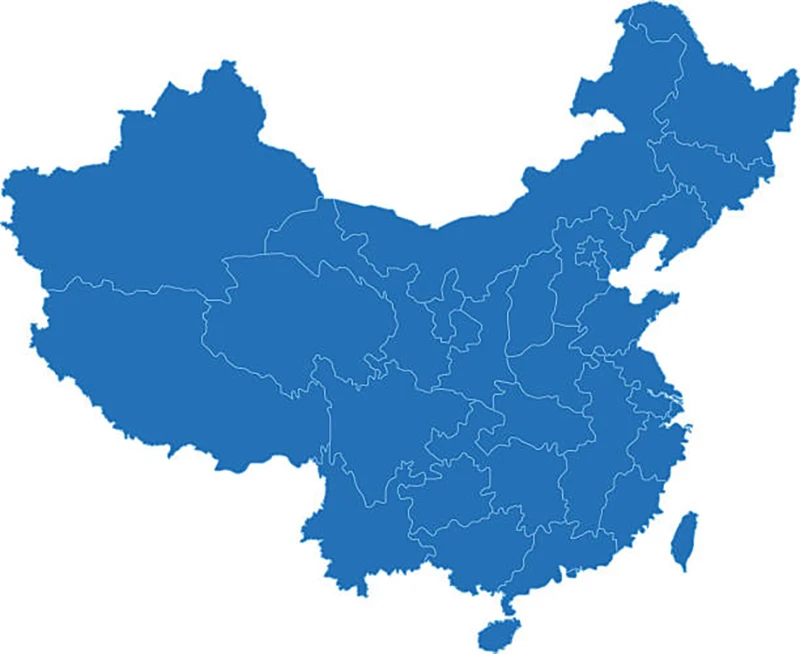
Below are five of the most important lithium battery and solar energy storage (ESS) manufacturing regions in China. Each region includes its major cities, industrial characteristics, scale, features, and advantages.
1. Fujian Province – Ningde: Global Lithium Battery & ESS Hub
- City: Ningde, Fujian Province
- Representative Companies: CATL (Contemporary Amperex Technology Co., Ltd.), global market leader
- Ningde hosts over 80+ battery-related enterprises, forming one of the most complete industrial clusters in the world.
- CATL’s headquarters and core production base are located here.
- Full industrial chain: electrodes, cells, modules, BMS, and full ESS system integration.
- Strong policy support from Fujian Province with well-developed infrastructure.
- Leading R&D ecosystem driven by CATL’s technological leadership.
- Global influence, world-class technology, and strong export capability.
- One of the most mature and efficient lithium battery production ecosystems in China.
2. Jiangsu Province – Changzhou / Liyang: Advanced Power Battery & ESS Cluster
- Cities: Changzhou & Liyang, Jiangsu Province
- Industrial Zone: Liyang High-Tech Industrial Development Zone
- Representative Companies: CATL (large-scale production base), multiple upstream & downstream suppliers
- Liyang’s battery industry output value exceeds 100 billion RMB.
- Planned total power/ESS battery production capacity reaches 160 GWh.
- Complete battery supply chain including cathode/ anode materials, separators, modules, packs, and BMS.
- Recognized as one of China’s rising “New Energy Capitals”.
- Hosts both manufacturing and system-level ESS projects.
- Clustered suppliers reduce cost and lead time.
- Strong engineering talent pool and advanced manufacturing foundations.
- A top-tier destination for ESS procurement and OEM manufacturing.
3. Guangdong Province – Pearl River Delta ESS & Lithium Battery Manufacturing Zone
- Cities: Shenzhen, Guangzhou, Zhaoqing, Dongguan
- Representative Companies: BYD, Tinci Materials, BMS makers, advanced electronics manufacturers
- Guangdong is one of China’s largest lithium battery export bases.
- Strong presence of materials suppliers (electrolytes, membranes), cell factories, BMS companies, ESS assemblers, and battery pack makers.
- Close integration with the electronics industry, ideal for consumer batteries, portable power, and smart ESS devices.
- Highly developed supply chain for battery materials, components, casing, PCBA, and electronics.
- Excellent export advantages due to ports in Shenzhen & Guangzhou.
- Fast delivery, flexible customization, strong R&D environment.
- Best suited for overseas buyers sourcing mid-to high-end energy storage systems, power banks, and hybrid energy products.
4. Sichuan Province – Inland Lithium Resource & ESS Manufacturing Cluster
- Cities: Yibin, Suining, Chengdu
- Representative Companies: Multiple cell manufacturers and lithium material factories
- The region is rapidly expanding across lithium mining, cell production, material development, and recycling.
- Significant ESS demand from West China’s power grid, hydro-power balancing, and peak shaving.
- Resource advantage, Sichuan has access to lithium resources and raw materials.
- Government support in establishing a complete battery life-cycle industry chain.
- Increasing number of large-scale ESS projects across grid, industrial and commercial applications.
- Lower raw material cost due to proximity to resources.
- Strong future potential for energy storage manufacturing and large ESS deployment.
5. Shandong Province – Rising Lithium Battery & ESS Industrial Zone
- Cities: Jining, Zibo, Zaozhuang, Qingdao
- Representative Companies: Emerging battery producers and energy storage integrators
- Shandong is investing over 14 billion RMB to build a complete lithium battery industry by 2026.
- Industrial layout includes cathode materials, anode materials, battery cells, modules, packs, and ESS integrators.
- Fast-developing supply chain supported by aggressive provincial policies.
- Strong manufacturing infrastructure with a focus on renewable energy and storage technologies.
- Strategic location in Northern China with strong logistics and export channels.
- Lower production cost and large available industrial land compared with coastal cities.
How to Choose the Best Solar Battery Energy Storage Market in China?
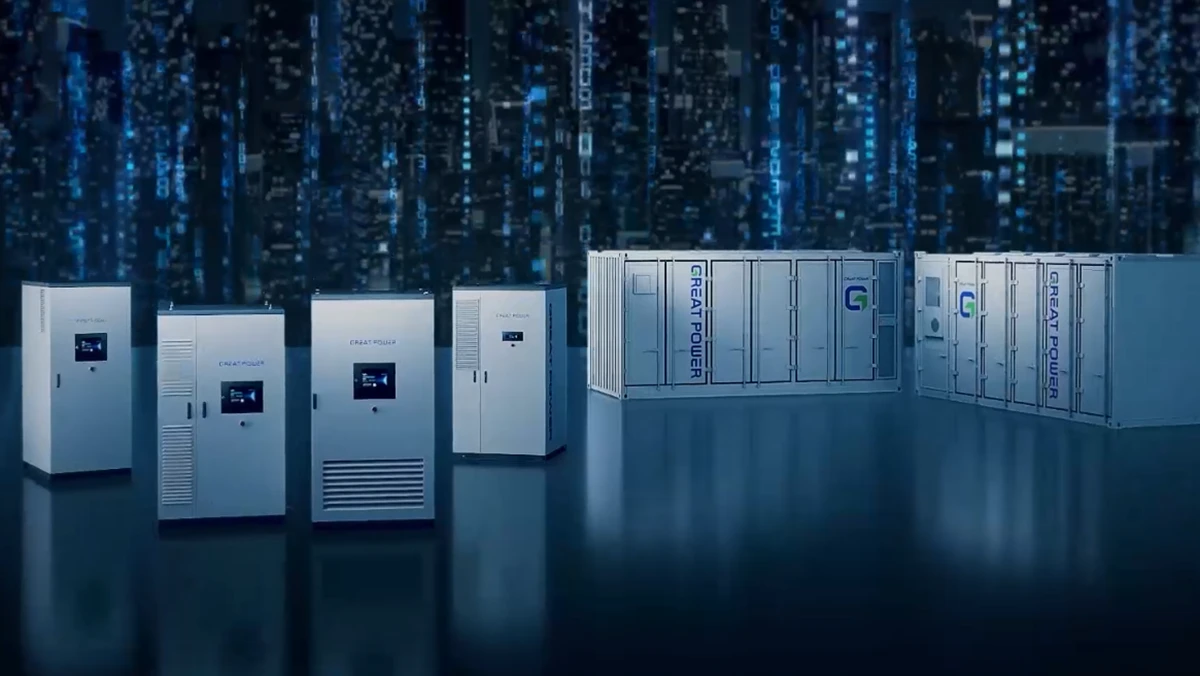
Choosing the right solar battery is one of the most important decisions when building a solar power system, whether for home backup, industrial storage, off-grid cabins, telecom base stations, or commercial solar projects. China is the world’s largest manufacturing hub for lithium batteries, and understanding how to evaluate product quality, technology, suppliers, and specifications will help you avoid risks and source more confidently.
This guide breaks down the essential criteria every buyer must understand: key specifications, battery quality checks, capacity matching, and how to evaluate the BMS (Battery Management System).
When sourcing a solar battery from China, comparing technical specifications is the first step. Focus on the parameters that most affect performance, lifetime, and safety, such as
- Battery Type (Chemistry) of LiFePO₄ (LFP), NMC/NCM or Lead-acid/AGM/Gel.
- Voltage, typical system voltages include 12V / 24V / 48V for home and off-grid systems, 51.2V rack batteries for modular ESS. High-voltage (100–600V) for hybrid inverters and commercial ESS. Remembering to match the battery voltage with your inverter input voltage.
- Capacity of common models are 100Ah, 200Ah, 280Ah (12.8V or 51.2V), 5kWh / 10kWh home energy storage modules, High-voltage 10–50kWh modules for larger systems. Higher capacity means longer runtime, but cost and inverter compatibility must also be considered.
- A good LiFePO₄ battery should offer over 4,000 cycles @ 80% DOD (standard). 6,000–8,000 cycles from top-tier Chinese cell manufacturers (CATL, EVE, BYD, Lishen). More cycles means longer lifespan and lower lifetime cost per kWh.
- Look for 0.5C to 1C for home storage, 1C to 2C for commercial storage or high-power applications. Higher C-rate means stronger performance, especially for off-grid air conditioners, pumps, or EV fast charging.
- For international markets, ensure the battery has CE, UN38.3, MSDS, UL1973 (North America), TUV, IEC62133, KC, PSE. Missing certification is a major red flag.
Choosing the best solar battery from China requires evaluating the right combination of technical specifications, battery quality, capacity planning, and especially the BMS system. China’s LiFePO₄ ecosystem offers excellent performance and cost advantages, but successful sourcing depends on selecting the right supplier and understanding the engineering behind each battery.
China is the world’s dominant force in solar battery energy storage manufacturing, with unmatched cost advantages, advanced LFP technology, and a complete supply chain ecosystem. Whether you’re sourcing home ESS systems, rack-mounted batteries, or MWh-level containerized storage, China offers the best combination of price, performance, innovation, and scalability.
For global buyers looking to succeed in the solar + storage industry, understanding the Chinese manufacturing landscape, choosing the right suppliers, and following a strategic procurement workflow are essential steps toward long-term success.
If you would like to know more about solar panel manufacturers in China, please refer to Top 10 Best Solar Panel Manufacturers in China (2026 Edition): Efficiency, Prices, and Export Guide.