
Solar Battery Cost, Safety, Sizing & Savings Guide
Solar batteries are becoming one of the most important components in modern solar systems. As electricity prices rise, governments tighten safety standards, and homeowners demand greater control over their power usage, energy storage is shifting from a “nice-to-have” to a “must-have.”
The Solar Battery Cost, Safety, Sizing & Savings Guide provides a complete and practical overview of how modern solar energy storage systems deliver financial value, long-term reliability, and improved energy independence. It explains how time-of-use (TOU) electricity rates influence daily savings, how different battery chemistries, especially LFP, NMC, LTO, and lead-acid, compare in terms of lifespan, cost, and performance, and how safety features such as BMS protection, thermal management, and international certifications minimize operational risks.
This guide also examines the impact of installation location, local permitting rules, and home-insurance requirements to help homeowners choose compliant and low-risk storage solutions. In addition, the guide offers a simple, step-by-step framework for sizing a solar battery system for both on-grid and off-grid applications, including cabins, tiny homes, and rural properties. It highlights real-world scenarios across Australia, South Asia, and the Middle East to show how climate, sunlight patterns, and grid conditions influence battery capacity needs and ROI.
Overall, the guide empowers homeowners, installers, and energy planners to make informed, future-proof decisions that balance cost, safety, and long-term savings, while showcasing why trusted LFP manufacturers such as JSBESS, a leading manufacturer of residential and commercial lithium iron phosphate (LFP) energy storage systems, deliver superior results in modern energy storage deployment.
Note: The brands listed are not ranked in any particular order.
Disclaimer: The company names, founding dates, and addresses are sourced from publicly available information online.
Please note: The list in this guide is not exhaustive. There may be other reputable solar battery brands worth considering.
- Solar Battery Cost, Safety, Sizing & Savings Guide
- Impact of Time-of-Use Electricity Rates on Solar Battery Savings
- Comparison Between Battery Chemistries: LFP vs NMC vs LTO vs Lead-Acid
- Are Newer Battery Chemistries Safe / Less Hazardous?
- How Do Solar Batteries Affect Home Insurance & Permitting?
- How to Size a Solar Battery for an Off-Grid Cabin or Tiny House
- Making Smart Solar Battery Decisions for 2026
Impact of Time-of-Use Electricity Rates on Solar Battery Savings

Time-of-Use electricity tariffs change depending on when you consume energy. Utilities charge the highest prices during peak demand hours and cheaper rates overnight or during low-demand periods.
For example, the highest evening peak rates often reach $0.45–$0.60/kWh for Australian markets (NSW, VIC, SA). Middle East TOU structures are emerging in the UAE and Saudi Arabia. South Asia countries like India and Pakistan have steep TOU differentials for industrial and residential users.
A solar battery allows homeowners to store daytime solar energy and use it during expensive evening peak hours, a process called load shifting. This is where the bulk of solar battery savings comes from.
Peak vs Off-Peak Storage Economics
Peak vs Off-Peak Storage Economics refers to the financial advantage of charging a solar battery during low-cost off-peak hours and discharging it during high-cost peak hours to reduce grid purchases and maximize savings. Because electricity tariffs can be two to four times higher during peak periods, especially in regions like Australia, the Middle East, and parts of South Asia, storing excess solar energy or cheap nighttime electricity and using it when prices spike dramatically improves overall system ROI.
By shifting consumption away from expensive peak windows, homeowners lower their bills, reduce demand charges, and achieve faster payback periods, making solar batteries a highly effective tool for long-term energy cost optimization. A typical household with an 8 to 12 kWh battery can store enough energy to eliminate most peak-rate consumption.
Example cost difference: Off-peak import: $0.10/kWh; Peak price avoided: $0.50/kWh; Net benefit per kWh shifted: $0.40; If a battery shifts even 5 kWh/day, that is $2 saved per day, $60 saved per month, $720 saved per year. This is before factoring in additional benefits like backup power and demand-charge reduction.
Australian households with LFP batteries (like JSBESS units) commonly save $800–$1,500 per year, depending on the feed-in tariff and peak-rate structure. Middle East solar export rates are low, so shifting your own solar energy at night brings significantly higher ROI than selling back to the grid. South Asia countries with unstable grids, batteries save more through backup power value and protection from diesel generator costs.
Demand-Charge Reduction Benefits
In regions where demand charges apply (Australia C&I sectors, UAE commercial users), batteries reduce the monthly maximum peak load. This can reduce bills by 10–30% for small businesses.
JSBESS household energy storage systems are engineered to deliver more usable energy during peak hours thanks to the BMS and inverter coordinate to prioritize peak-time discharge based on your local tariff. Predictive algorithms learn household habits and adjust charge cycles automatically, increasing usable savings by 5–12%.
Comparison Between Battery Chemistries: LFP vs NMC vs LTO vs Lead-Acid
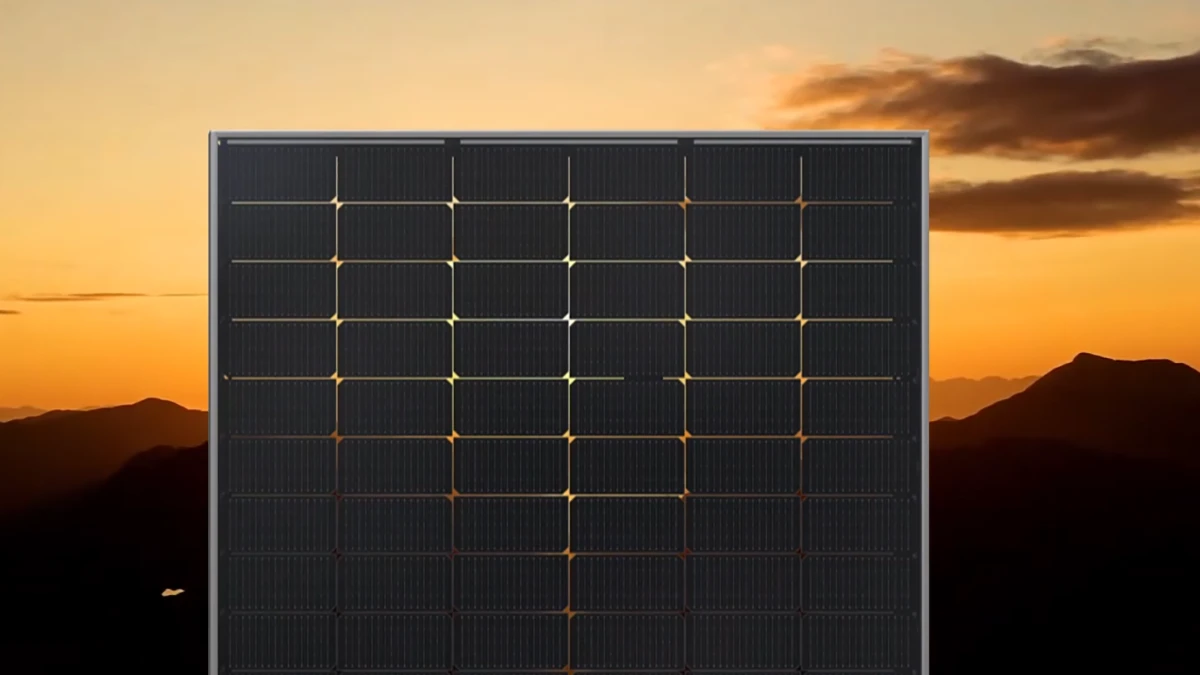
Comparison Between Battery Chemistries: LFP vs NMC vs LTO vs Lead-Acid centers on how each chemistry differs in safety, lifespan, cost, and performance, helping homeowners and installers choose the right storage solution for their needs. LFP (Lithium Iron Phosphate) stands out for its superior safety, long cycle life, and thermal stability, making it the preferred choice for modern home and commercial storage.
NMC (Nickel Manganese Cobalt) offers higher energy density but comes with higher thermal risk and typically shorter lifespans. LTO (Lithium Titanate) delivers exceptional cycle life and ultra-fast charging but at a significantly higher cost, making it suitable mainly for industrial applications. Lead-acid, although inexpensive, suffers from short lifespan, low depth of discharge, and heavy maintenance requirements.
Overall, the comparison shows why LFP, used widely by advanced manufacturers like JSBESS, has become the dominant and safest chemistry for today’s solar battery energy storage systems.
Lithium-Iron-Phosphate (LFP): LFP is currently the global standard for home and commercial solar systems, because it features long lifespan of over 6,000 to 10,000 cycles, excellent thermal stability, very low fire risk, stable discharge curve, environmentally safer (no cobalt) and lower cost per cycle. JSBESS exclusively manufactures LFP-based home storage systems for maximum lifespan and export safety compliance.
Nickel-Manganese-Cobalt (NMC): Common in electric vehicles due to high energy density and good performance at low temperatures, but it has a higher fire risk, lower cycle life (2,000–3,000 cycles) and contains cobalt (ethical sourcing concerns).
Lithium-Titanate-Oxide (LTO): A specialized, high-performance chemistry with extremely long life (10,000 to 20,000 cycles), fast charge capabilities and superior performance in cold climates, but it is very expensive and low energy density. Mostly used in telecom towers, EV buses, and military-grade applications.
Lead-Acid / AGM / Gel: Older but still used in off-grid cabins on tight budgets. It features low upfront cost and simple installation, but it has short life (500–1,500 cycles) and requires maintenance, low efficiency and heavy and bulky.
| Chemistry | Cycle Life | Safety | Cost | Typical Use |
| LFP | 4,000–8,000 | Very High | Moderate | Homes, commercial |
| NMC | 2,000–3,000 | Medium | Moderate–High | EVs |
| LTO | 10,000+ | Very High | Very High | Telecom, heavy duty |
| Lead-Acid | 500–1,500 | Low | Low | Budget off-grid |
JSBESS focuses on LFP because it offers the safest stability, longest cycle life, best sustainability profile, and lowest long-term cost for residential and commercial energy storage.
Are Newer Battery Chemistries Safe / Less Hazardous?
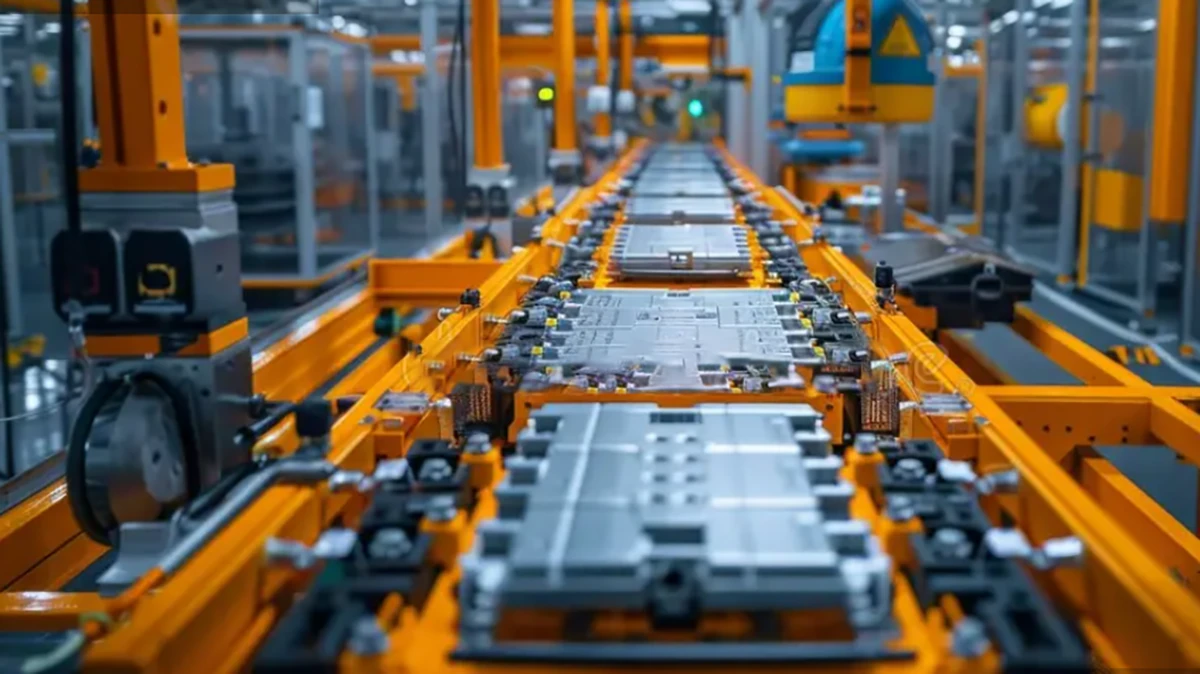
Newer battery chemistries, especially Lithium Iron Phosphate (LFP), are significantly safer and less hazardous than earlier-generation technologies due to major improvements in thermal stability, internal structure, and protective electronics. LFP chemistry is inherently resistant to overheating, thermal runaway, and fire risk, making it far more stable than NMC or lead-acid batteries traditionally used in energy storage.
Combined with modern Battery Management Systems (BMS), advanced cell balancing, and multi-layer protection, today’s solar batteries meet strict global safety standards such as UL9540A, IEC62619, and UN38.3. These advancements greatly reduce the risk of explosion, leakage, or performance degradation even in hot climates across Australia, South Asia, and the Middle East.
BESS Manufacturers such as JSBESS further enhance safety through improved enclosure design, fire-resistant housing, anti-overcharge technology, and smart thermal monitoring that automatically adjusts charging behavior. New chemistries like LFP also eliminate toxic heavy metals found in older lead-acid batteries, reducing environmental hazards and simplifying recycling.
As a result, modern solar energy storage solutions offer superior reliability, longer service life, and lower operational risk, making them well-suited for homes, businesses, and off-grid installations seeking clean and dependable energy storage.
Thermal Stability & Fire Risk
LFP batteries are far more stable than NMC or older cobalt-based cells. They reach thermal runaway at higher temperatures, giving more safety margin. LFP battery is non-toxic, no cobalt; NMC battery contains cobalt and nickel, both hazardous while lead-acid battery contains lead, requires careful recycling. JSBESS batteries comply with IEC62619 which is a global standard for lithium battery safety, UN38.3 which is mandatory for shipping and CEC / CE / RCM / SASO / BIS (depending on the region).
How JSBESS LFP Batteries Reduce Hazard Risks
JSBESS LFP batteries minimize hazard risks through a combination of inherently safe chemistry and advanced engineering design. Built on Lithium Iron Phosphate technology, JSBESS batteries offer exceptional thermal stability, eliminating the common overheating and thermal runaway risks associated with older chemistries like NMC or lead-acid.
Each battery integrates a multi-layer Battery Management System (BMS) that continuously monitors voltage, current, temperature, and cell balance, ensuring safe operation under all environmental conditions. Whether installed in hot climates such as the Middle East or humid regions in South Asia, JSBESS batteries maintain stable performance and significantly reduce the chance of fire, explosion, or internal damage.
Beyond chemistry, JSBESS enhances safety with reinforced enclosures, fire-retardant materials, short-circuit protection, and intelligent thermal regulation systems that adjust charging behavior in real time. Built to meet international safety standards, including IEC62619, UL9540A, and UN38.3, each JSBESS unit undergoes extensive testing for vibration, impact, overcharge, and extreme temperatures.
By removing toxic heavy metals and adopting environmentally friendly manufacturing processes, JSBESS batteries reduce both operational hazards and long-term ecological risks. This combination of safe chemistry, robust protection systems, and strict certification makes JSBESS one of the most reliable and hazard-resistant LFP storage solutions for homes, businesses, and off-grid cabins.
How Do Solar Batteries Affect Home Insurance & Permitting?
Solar batteries can influence home insurance and permitting requirements because they are classified as electrical energy storage systems that must meet specific safety and installation standards. Many insurers require proof that the battery is certified (such as IEC62619, UL9540A, UN38.3) and installed by a licensed electrician to minimize fire or electrical risks.
Placement also matters, some regions mandate outdoor installation or a dedicated fire-rated enclosure, especially in Australia and the Middle East. Local permitting authorities often review system size, battery chemistry, wiring methods, and compliance with building and fire codes before approving installation. As a result, homeowners must follow proper documentation and installation practices to avoid delays or insurance policy changes.
Using high safety LFP systems, such as those produced by JSBESS, generally simplifies both insurance approval and permitting because these batteries come with strong thermal stability, low hazard risks, and internationally recognized certifications.
Many insurance providers view LFP systems more favorably than older NMC or lead-acid chemistries, reducing concerns about thermal runaway or toxic leakage. When installed correctly, solar batteries can even improve a home’s risk profile by providing backup power for critical circuits during outages. Overall, compliant installation, certified equipment, and safe chemistries help homeowners secure smooth permitting, maintain insurance coverage, and ensure long-term system safety.
Do Homeowners Need Additional Insurance?
Most homeowners do not need a separate insurance policy for a solar battery, but insurers may require an update to the existing home insurance plan to properly list the system as a covered asset. In many regions, including Australia, South Asia, and the Middle East, adding a solar battery simply increases the insured property value, resulting in a small premium adjustment rather than a new policy.
However, insurers usually ask for proof of certified equipment, licensed installation, and compliance with local electrical and fire codes. When homeowners use safe LFP systems like JSBESS, the process is smoother because the technology carries lower fire risk and meets international safety standards, making it easier to secure approval without additional specialized insurance.
How to Size a Solar Battery for an Off-Grid Cabin or Tiny House
Sizing a solar battery for an off-grid cabin or tiny house begins with calculating your daily energy consumption, identifying essential loads, and understanding your peak usage patterns. Start by listing every device you plan to power, lights, a small fridge, water pump, laptop, Wi-Fi router, fans, or a compact air-conditioner, and total their watt-hours per day.
From there, determine how many days of autonomy you need (usually 1–3 days depending on weather conditions) and multiply that by your daily usage. Off-grid systems also need enough storage to handle nighttime loads and cloudy days, so oversizing by 20–30% is common. Battery type matters too: LFP batteries, like those from JSBESS, offer deeper discharge, longer lifespan, and better efficiency, allowing you to achieve the same usable capacity with a smaller physical system.
Next, consider solar generation capacity, inverter size, and charge controller limits, your battery must be large enough to store excess solar energy but not so large that it never fully charges. For tiny houses with light loads, a 5–10 kWh battery is often sufficient, while remote off-grid cabins may require 10–20 kWh depending on appliances and climate.
Proper sizing also includes evaluating surge loads (e.g., pumps or mixers), ensuring the inverter can handle them, and matching the battery voltage (24V/48V) to maximize efficiency. Safety and durability are crucial for remote living; LFP batteries with built-in BMS protection from JSBESS deliver stable performance in hot, cold, or isolated environments. With accurate load calculations and the right chemistry, homeowners can achieve reliable, low maintenance, long-term off grid energy independence.
- Step 1: Calculate Daily Energy Use
- Step 2: Determine Autonomy Days
- Step 3: Choose the Right Battery Chemistry
- Step 4: Select the Inverter Size
- Step 5: JSBESS Recommended System Sizes
Making Smart Solar Battery Decisions for 2026
Making smart solar battery decisions for 2026 requires a clear focus on long-term value, system safety, and technology readiness. As electricity prices continue rising in Australia, South Asia, and the Middle East, homeowners and small businesses are shifting toward systems with higher efficiency, longer lifespans, and stable chemistry, especially LFP.
Evaluating factors like cycle life, depth of discharge, inverter compatibility, and software monitoring capability helps ensure your energy system delivers real savings rather than becoming an expensive upgrade. Brands such as JSBESS, which offer advanced LFP batteries with intelligent BMS protection and strong global certifications, provide the reliability needed for both grid-connected and off-grid setups in 2026.
At the same time, buyers should compare total cost of ownership (TCO), including maintenance needs, warranty terms, installation complexity, and potential government incentives that may shift as countries update their energy policies. In 2026, consumers benefit most from solutions that combine durable chemistry, strong performance in extreme climates, and intelligent software for energy optimization.
Future-ready systems, those prepared for smart-grid integration, AI-driven battery health analytics, and dynamic time-of-use charging, will deliver the highest return. By choosing a certified, safety first supplier like JSBESS, homeowners can make confident energy decisions that lower risk, maximize savings, and secure long-term energy independence.
Why JSBESS Is a Strong Choice for 2026 and Beyond?
JSBESS stands out as a strong choice for 2026 and beyond because it focuses on the safest and most future-ready battery chemistry: Lithium Iron Phosphate (LFP). As global demand shifts toward high-cycle, long-life, low-risk energy storage, JSBESS continues to refine its core technology with enhanced thermal stability, deeper usable capacity, and intelligent BMS protection.
These systems are engineered for the challenging climates of Australia, South Asia, and the Middle East, regions where heat, humidity, and unstable grids can strain weaker battery chemistries. With internationally recognized certifications (IEC62619, UL9540A, UN38.3) and strong quality control, JSBESS provides the level of reliability that homeowners, installers, and distributors need in fast-growing solar markets.
Beyond hardware, JSBESS positions itself as a long-term energy partner through software innovation, flexible system design, and clear long-term warranties. Its batteries integrate seamlessly with hybrid inverters, off-grid systems, backup applications, and emerging AI-energy optimization platforms, ensuring compatibility with future upgrades and grid regulations.
For buyers evaluating total cost of ownership (TCO), JSBESS delivers strong ROI through reduced maintenance, slower degradation, and long service life. As governments expand incentives and time-of-use pricing becomes more common, JSBESS systems help households and small businesses capture maximum savings. With a focus on safety, durability, and forward-looking design, JSBESS is well-positioned to remain a trusted choice for energy independence well beyond 2026.
If you are exploring solar battery systems for home backup, off-grid living, or energy bill reduction, JSBESS offers reliable and cost-effective solutions built for long-term performance.
If you would like to know more about solar battery energy storage systems, please refer to the page The 10 Best Solar Battery Energy Storage System Manufacturers in China (Approved in 2025).