
The solar inverter is the brain of every photovoltaic (PV) system.
While solar panels often receive the most attention, it is the inverter that determines how efficiently your system converts DC electricity into usable AC power, how safely it interacts with the grid, and how well it integrates with batteries and smart energy management platforms.
In the United States, where the residential and commercial solar markets continue to expand rapidly in 2026, inverter selection has become more important than ever. With evolving NEC requirements, rapid shutdown regulations, grid-interconnection standards, and growing battery adoption, choosing the right inverter brand directly affects system performance, ROI, safety compliance, and long-term reliability.
This comprehensive guide evaluates the top 10 best solar inverter brands in the USA, comparing their strengths, ideal use cases, pricing tiers, warranty structures, and installer adoption trends. Whether you are a homeowner, EPC contractor, or commercial project developer, this guide will help you make an informed decision.
Note: The brands listed are not ranked in any particular order.
Disclaimer: The company names, founding dates, and addresses are sourced from publicly available information online.
Please note: The list in this guide is not exhaustive. There may be other reputable solar inverter manufacturers worth considering.
The List of Top 10 Best Solar Inverter Brands in USA 2026
The Top 10 Best Solar Inverter Brands in USA 2026 reflects a market shaped by rapid battery adoption, stricter grid compliance standards, and increasing demand for intelligent energy management. Industry leaders such as Enphase Energy and SolarEdge Technologies continue to dominate the residential rooftop segment with advanced monitoring platforms and rapid shutdown compliance, while established global manufacturers like SMA Solar Technology and Fronius International remain strong choices for commercial and light industrial projects. These brands are widely recognized for high conversion efficiency, long warranty coverage, and strong installer networks across the United States.
At the same time, the 2026 list also highlights the growing importance of hybrid and storage-ready systems. Companies such as Generac, Sol-Ark, and Tesla are gaining market share by offering integrated solar-plus-storage ecosystems, while global suppliers like Growatt and energy management giant Schneider Electric expand competitive options across different price tiers. Together, these ten brands represent the most reliable, bankable, and technology-driven inverter solutions shaping the U.S. solar industry in 2026.
Below is the list of the top 10 best solar inverter brands in USA with their company names, HQ locations, Year Founded, company websites, solar battery ranges, Certifications, Awards and their main markets. The following brands are widely recognized across America for reliability, safety, and long-term performance in tropical climates.
1. Enphase Energy USA
One of The Top 10 Best Solar Inverter Brands in USA.
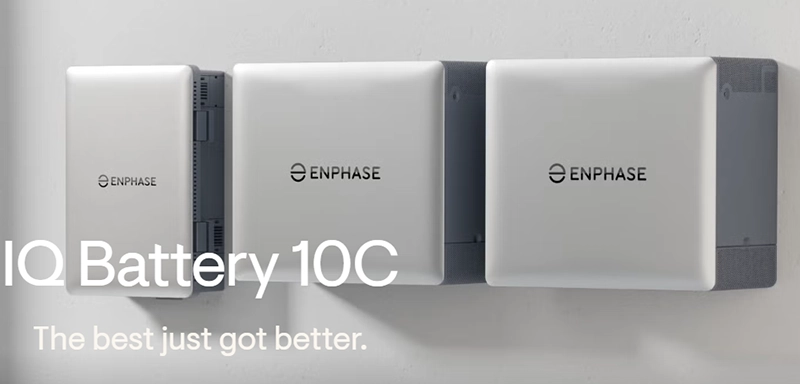
Enphase Energy is a leading U.S.-based solar technology company headquartered in Fremont, California, founded in 2006. The company is widely recognized as the pioneer and market leader of microinverter technology, which converts DC to AC power at the individual panel level rather than using a centralized string inverter. This architecture enhances energy harvest, improves system reliability, and allows detailed module-level monitoring. Enphase’s product ecosystem includes IQ Series microinverters, IQ Battery storage systems, EV chargers, and a comprehensive energy management platform designed to create fully integrated home energy solutions.
In the United States residential solar market, Enphase holds a dominant position due to its 25-year microinverter warranty, strong NEC rapid shutdown compliance, and advanced monitoring software. Its systems are particularly well-suited for complex rooftops, shaded installations, and homeowners seeking long-term performance transparency. With a large installer network, consistent product innovation, and expanding battery integration capabilities, Enphase Energy continues to shape the evolution of distributed solar and smart home energy systems across the U.S. market.
| Main Module Types | Microinverters (IQ Series), battery-integrated systems |
| Key Certifications | UL 1741, IEEE 1547, NEC rapid shutdown compliant, CEC listed |
| Awards | Multiple U.S. clean energy and innovation awards; widely recognized for microinverter leadership |
| Main Export Markets | USA (primary), Canada, Australia, India, parts of Europe |
2. SolarEdge Technologie
One of The Top 10 Best Solar Inverter Brands in USA.
Headquarters: Herzliya, Israel (U.S. headquarters: California
Founded: 2006
Website: https://www.solaredge.com
SolarEdge Technologies is a global solar technology company headquartered in Herzliya, Israel, founded in 2006. The company revolutionized the photovoltaic market by introducing the DC power optimizer architecture, which combines module-level optimization with a centralized string inverter. This design maximizes energy harvest at each panel while maintaining cost efficiency at the system level. SolarEdge’s solutions include residential and commercial inverters, power optimizers, battery storage integration, EV chargers, and advanced monitoring software, creating a comprehensive smart energy ecosystem.
In the United States, SolarEdge is one of the most widely adopted inverter brands among residential installers. Its systems comply with UL 1741, IEEE 1547, and NEC rapid shutdown requirements, making them well-suited for U.S. grid-connected installations. The brand is particularly favored for rooftops with shading challenges or complex layouts, where module-level optimization improves overall system performance. With a strong distribution network, continuous product innovation, and integrated energy management capabilities, SolarEdge remains a leading force in the competitive U.S. solar inverter market.
| Main Module Types | String inverters with DC power optimizers, hybrid inverters |
| Key Certifications | UL 1741, IEEE 1547, NEC compliant, CE certified |
| Awards | Frequently listed among top global inverter suppliers; innovation awards in smart energy |
| Main Export Markets | USA, Europe, Australia, Japan |
3. SMA Solar Technology
One of The Top 10 Best Solar Inverter Brands in USA.
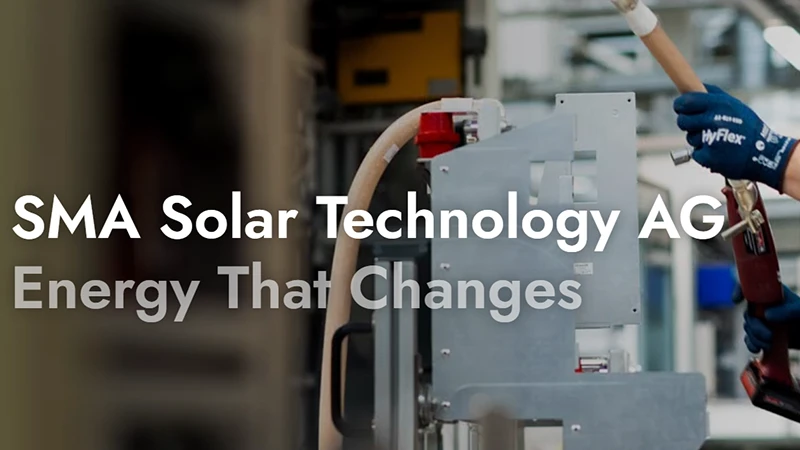
SMA Solar Technology is a globally recognized solar inverter manufacturer headquartered in Niestetal, Germany, founded in 1981. The company is one of the pioneers of the modern photovoltaic inverter industry and has built a strong reputation for German engineering precision, high efficiency, and long-term reliability. SMA offers a comprehensive portfolio of residential string inverters, commercial solutions, and large-scale utility central inverters, serving projects ranging from small rooftop systems to multi-megawatt solar farms. Its products are widely regarded as “bankable,” meaning they are trusted by financial institutions and project developers for long-term infrastructure investments.
In the United States, SMA maintains a significant presence in both residential and commercial markets, particularly in commercial and utility-scale installations where durability and grid-support functions are critical. Its inverters comply with UL 1741 and IEEE 1547 standards, meeting strict U.S. interconnection and safety requirements. With advanced monitoring platforms, smart grid capabilities, and decades of global field experience, SMA continues to be a preferred choice for EPC contractors and developers seeking proven performance, strong technical support, and long lifecycle stability in the competitive U.S. solar industry.
| Main Module Types | Residential string, commercial string, utility-scale central inverters |
| Key Certifications | UL 1741, IEEE 1547, CE, TÜV |
| Awards | Long-standing bankable Tier-1 inverter reputation; German sustainability awards |
| Main Export Markets | USA, Europe, Asia-Pacific, Middle East |
4. Generac
One of The Top 10 Best Solar Inverter Brands in USA.
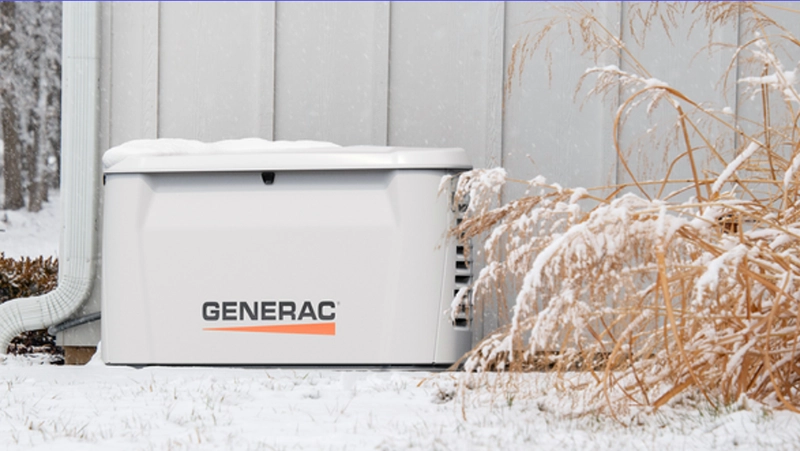
Generac is a leading American energy technology company headquartered in Waukesha, Wisconsin, founded in 1959. Historically recognized as a dominant manufacturer of backup generators, Generac has expanded aggressively into the residential solar and energy storage market. The company now offers hybrid inverters, battery storage systems, and integrated home energy management platforms designed to combine solar generation with backup power reliability. Leveraging its long-standing reputation in standby power solutions, Generac positions itself as a comprehensive home energy resilience provider rather than just a solar equipment supplier.
In the U.S. solar-plus-storage market, Generac’s systems are particularly attractive to homeowners seeking seamless integration between solar panels, batteries, and standby generators. Its inverter and storage solutions comply with UL and NEC requirements, ensuring grid compatibility and safety certification across American installations. With a strong nationwide dealer network and brand recognition built on decades of backup power expertise, Generac continues to gain market share in regions prone to grid instability, extreme weather events, and time-of-use electricity pricing, where energy security and reliability are top priorities.
| Main Module Types | Hybrid inverters, solar + generator integrated systems |
| Key Certifications | UL 1741, IEEE 1547, NEC compliant |
| Awards | Recognized U.S. backup power brand; residential energy innovation recognition |
| Main Export Markets | USA (dominant), Canada, Latin America |
5. Fronius International
One of The Top 10 Best Solar Inverter Brands in USA.

Fronius International is a global technology company headquartered in Pettenbach, Austria, founded in 1945. While the company originally focused on battery charging and welding technology, it has become one of the most respected manufacturers of high-performance solar string inverters. Fronius is known for its precision engineering, advanced thermal management systems, and durable construction standards. Its residential and commercial inverters are widely recognized for reliability, high conversion efficiency, and strong grid-support capabilities, making them a premium choice in mature solar markets.
In the United States, Fronius has established a solid reputation among professional installers who prioritize long-term performance and serviceability. The company’s inverters comply with UL 1741 and IEEE 1547 standards, ensuring compatibility with U.S. grid requirements and NEC regulations. With integrated monitoring platforms and battery-ready solutions, Fronius products are commonly selected for residential rooftops and small-to-medium commercial projects that demand dependable output and strong after-sales support. Backed by decades of engineering expertise and a strong global presence, Fronius remains a trusted name in the evolving U.S. solar industry.
| Main Module Types | Residential and commercial string inverters |
| Key Certifications | UL 1741, IEEE 1547, CE, TÜV |
| Awards | European innovation and sustainability awards; premium engineering recognition |
| Main Export Markets | USA, Europe, Australia |
6. Tigo Energy USA
One of The Top 10 Best Solar Inverter Brands in USA.

Tigo Energy is a U.S.-based solar technology company headquartered in Campbell, California, founded in 2007. The company specializes in module-level power electronics (MLPE), including power optimizers, rapid shutdown devices, and energy intelligence platforms. Tigo is best known for enhancing solar system performance, safety, and monitoring capabilities at the panel level. Its solutions are widely used to meet NEC rapid shutdown requirements in the United States while maximizing energy harvest in shaded or complex rooftop installations.
In addition to MLPE products, Tigo has expanded into hybrid inverters and energy storage solutions, offering integrated solar-plus-storage platforms for residential and commercial applications. The company’s Energy Intelligence (EI) ecosystem provides advanced monitoring, system diagnostics, and remote troubleshooting, helping installers reduce maintenance time and improve system uptime. With strong compliance credentials such as UL certification and growing adoption among U.S. installers, Tigo Energy continues to position itself as a flexible, safety-focused innovator in the evolving American solar market.
| Main Module Types | Module-level power electronics (MLPE), optimizers, hybrid inverters |
| Key Certifications | UL 1741, NEC rapid shutdown compliant, CE |
| Awards | Recognized for module-level rapid shutdown technology leadership |
| Main Export Markets | USA, Europe, Latin America |
7. Sol-Ark Solar Energy Storage
One of The Top 10 Best Solar Inverter Brands in USA.
Sol-Ark is a U.S.-based solar and energy storage technology company headquartered in Allen, Texas, founded in 2012. The company specializes in hybrid inverters that integrate solar generation, battery storage, grid interaction, and generator backup into a single platform. Sol-Ark systems are designed to simplify installation while delivering high surge capacity, strong battery compatibility (including lithium iron phosphate), and seamless backup functionality. Its all-in-one architecture has made it especially popular in residential and small commercial applications requiring resilience and energy independence.
In the U.S. market, Sol-Ark has built a strong reputation for robust, code-compliant products that meet UL 1741 and IEEE 1547 standards, making them suitable for grid-tied, off-grid, and hybrid installations. The brand is frequently chosen in regions prone to power outages, extreme weather, or time-of-use electricity pricing, where reliable backup and smart load management are critical. With a focus on energy security, scalable storage integration, and installer-friendly design, Sol-Ark continues to expand its footprint in the rapidly growing solar-plus-storage segment across the United States.
| Main Module Types | Hybrid inverters (battery-ready), off-grid and grid-tied systems |
| Key Certifications | UL 1741, IEEE 1547, NEC compliant |
| Awards | Recognized in U.S. residential hybrid storage market |
| Main Export Markets | USA (primary), Caribbean, Latin America |
8. Growatt Inverter
One of The Top 10 Best Solar Inverter Brands in USA.
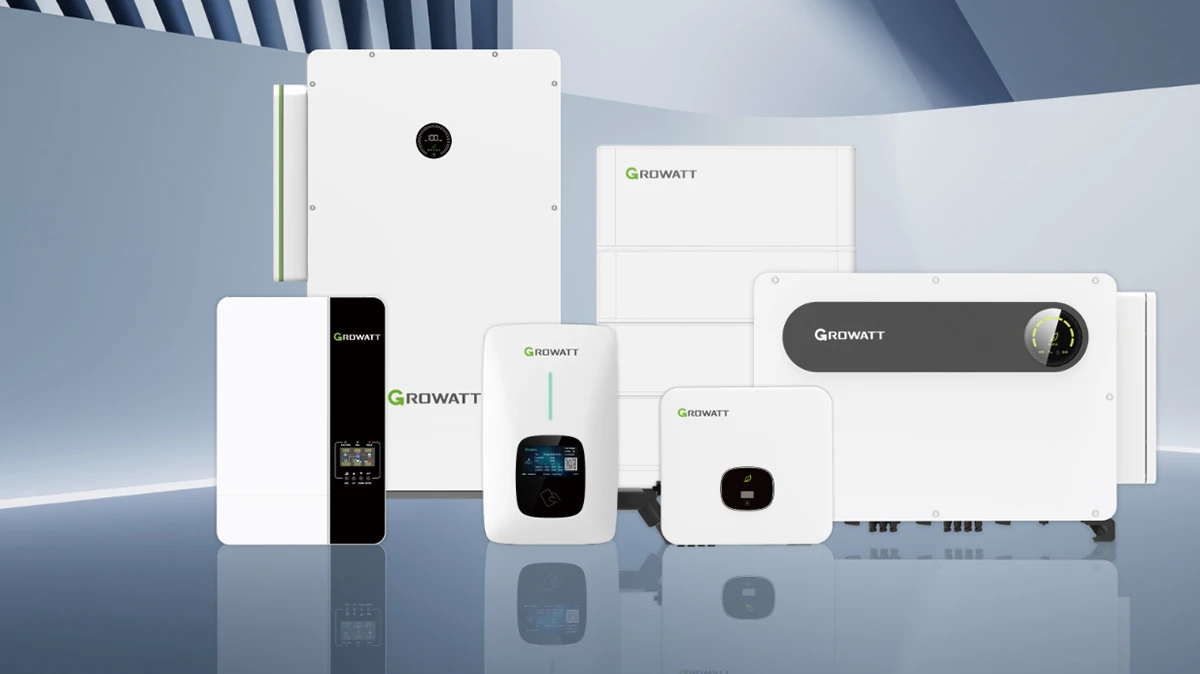
Growatt is a global solar inverter manufacturer headquartered in Shenzhen, China, founded in 2011. The company has rapidly expanded its presence in residential, commercial, and small utility-scale solar markets by offering cost-effective string and hybrid inverters. Growatt is particularly recognized for delivering high efficiency at competitive pricing, making it a popular option in value-driven projects. Its product portfolio includes grid-tied inverters, hybrid storage inverters, off-grid solutions, and smart energy management platforms designed to support lithium battery integration and remote monitoring.
In the United States market, Growatt has gained traction among installers and distributors seeking affordable hybrid solutions with UL certification and NEC compliance. The brand is commonly selected for residential battery-ready systems and small business installations where budget sensitivity is a key factor. While it competes against premium brands in performance and warranty positioning, Growatt’s strong global shipment volumes, expanding service network, and continuous product upgrades have strengthened its credibility as a reliable mid-tier inverter supplier in the evolving U.S. solar industry.
| Main Module Types | String inverters, hybrid inverters, storage inverters |
| Key Certifications | UL 1741 (U.S. models), CE, TÜV |
| Awards | Frequently ranked among global top inverter suppliers by shipment volume |
| Main Export Markets | Europe, USA, Southeast Asia, Latin America |
9. Tesla USA
One of The Top 10 Best Solar Inverter Brands in USA.
Tesla is one of the most influential clean energy and electric vehicle manufacturers in the United States, headquartered in Austin, Texas. Founded in 2003, Tesla has expanded beyond electric cars into solar energy generation, battery storage, and integrated home energy ecosystems. In the solar sector, Tesla offers solar panels, solar roof solutions, inverters, and the Powerwall battery system, creating a seamless end-to-end renewable energy platform. Its vertically integrated approach allows homeowners to generate, store, and manage electricity through a single intelligent ecosystem controlled via the Tesla mobile app.
In the U.S. residential solar market, Tesla’s inverter solutions are designed to work natively with Powerwall, enabling backup power, load management, and time-of-use optimization. The brand is especially attractive to customers seeking a modern, streamlined design combined with strong brand recognition and technology-driven innovation. While Tesla’s solar deployment model differs from traditional installer networks, its energy products remain highly competitive due to integrated software control, scalable battery capacity, and alignment with the company’s broader mission of accelerating the transition to sustainable energy.
| Main Module Types | Integrated solar inverter, battery-compatible systems |
| Key Certifications | UL 1741, IEEE 1547, NEC compliant |
| Awards | Global brand recognition in clean energy and innovation |
| Main Export Markets | USA (primary), Europe, Australia |
10. Schneider Electric
One of The Top 10 Best Solar Inverter Brands in USA.
Schneider Electric is a global leader in energy management and automation, headquartered in Rueil-Malmaison, France. Founded in 1836, the company has evolved into one of the most recognized names in electrical infrastructure, smart grid solutions, and renewable energy integration. In the solar sector, Schneider Electric is particularly known for its hybrid and off-grid inverter systems, energy storage solutions, and advanced power management platforms. Its products are widely used in residential backup systems, commercial facilities, industrial projects, and remote electrification applications, especially where system reliability and intelligent energy control are critical.
In the United States, Schneider Electric has built a strong reputation for delivering robust, code-compliant solutions that integrate solar, battery storage, and backup power into unified energy ecosystems. The company’s inverters and energy management systems are designed to meet UL and NEC standards while offering scalable performance for both residential and commercial users. Backed by decades of engineering expertise and global sustainability leadership, Schneider Electric is often selected for projects that require long-term durability, grid interaction capabilities, and advanced monitoring across complex energy environments.
| Main Module Types | Hybrid, off-grid, energy management systems |
| Key Certifications | UL, CE, TÜV, IEC international standards |
| Awards | Global sustainability leadership awards; ranked among world’s most sustainable companies |
| Main Export Markets | USA, Europe, Africa, Asia-Pacific |
How to Choose the Best Solar Inverter in the USA?
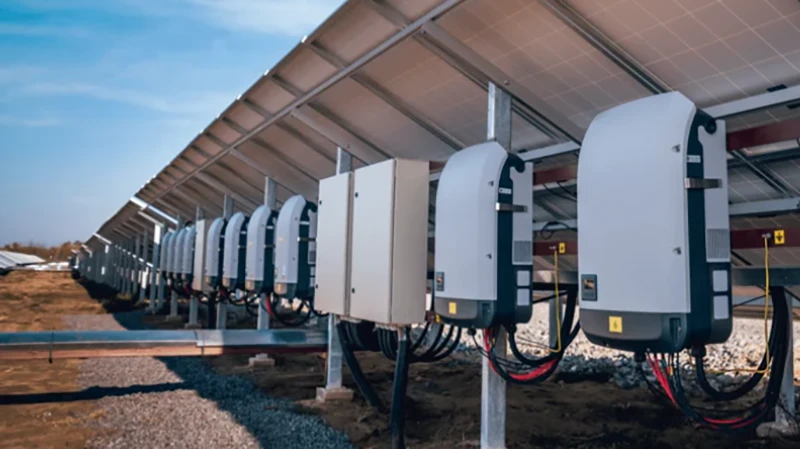
Before selecting the most suitable solar inverter in the U.S. market, it is essential to understand the key technical and regulatory factors that influence decision-making. The first consideration is inverter type. Microinverters convert DC to AC at the module level and are ideal for shaded roofs, complex roof layouts, or homeowners who want module-level monitoring and performance optimization. String inverters connect multiple panels in series and are more cost-effective, making them common in residential systems with uniform, unshaded arrays as well as in commercial installations. Hybrid inverters integrate solar generation and battery management into a single unit, supporting energy storage systems, backup power functionality, and load prioritization. In 2026, microinverters continue to dominate the U.S. residential rooftop market, while hybrid inverters represent the fastest-growing segment due to increasing battery adoption.
Regulatory compliance is another critical factor in the American market. All grid-connected solar inverters must meet UL 1741 certification requirements, comply with IEEE 1547 grid interconnection standards, and adhere to NEC 2023 rapid shutdown regulations. These standards directly impact whether a system can pass local permitting, inspection, and utility approval processes. Failure to meet certification and compliance requirements may result in project delays, additional costs, or interconnection rejection. Therefore, verifying that an inverter model aligns with local electrical codes and utility standards is a crucial step before finalizing brand selection.
Warranty coverage and smart functionality also significantly affect long-term return on investment. Historically, most inverters carried 10 to 12 year warranties, but premium brands, especially in the microinverter segment, now offer 20–25 year coverage. Since inverters are typically the first major component to require replacement in a solar system, extended warranties can substantially reduce lifecycle costs. In addition, modern inverters have evolved into intelligent energy management hubs, offering real-time production monitoring, app-based system visibility, advanced grid interaction capabilities, and virtual power plant (VPP) compatibility. As electricity pricing structures and time-of-use rates become more complex across the United States, energy intelligence and smart integration are now central purchasing considerations for homeowners and installers alike.
- 1. Inverter Type: Microinverter vs String vs Hybrid
- 2. NEC & UL Compliance
- 3. Warranty & Longevity
- 4. Monitoring & Smart Integration
Solar Inverter Price in USA (2026 Estimates)
Solar inverter prices in the United States in 2026 vary significantly depending on system size and inverter type. For smaller 3–5 kW residential systems, string inverters typically range from $1,000–$2,000, microinverter systems cost around $2,000–$3,500, and hybrid inverters fall between $2,500–$4,000. In the 6–10 kW range, common for standard U.S. homes, string inverters are generally priced at $1,500–$3,000, microinverter systems at $3,000–$6,000, and hybrid inverters at $3,500–$7,000. For larger 10 kW+ installations, string inverters usually range from $2,500–$6,000, while hybrid systems can reach $5,000–$10,000; microinverters are less common at this scale due to cost structure. Installation expenses typically add another $1,000–$3,000, depending on system complexity, permitting requirements, electrical upgrades, and local labor rates.
Warranty & Reliability Comparison
When comparing warranty coverage and long-term reliability among leading inverter brands, clear differences emerge in standard and extended protection terms. Enphase Energy stands out by offering a 25-year standard warranty on its microinverters, which aligns with the typical lifespan of solar panels and reduces the likelihood of mid-life replacement costs. SolarEdge Technologies provides a 12-year standard warranty for its inverters, with optional extensions up to 25 years. Meanwhile, SMA Solar Technology generally offers 10–12 years of standard coverage, and Fronius International provides a 10-year standard warranty, with both brands allowing paid extensions for longer-term protection.
From a financial perspective, longer warranty periods significantly reduce lifecycle costs and improve overall system ROI. Since inverters are often the first major component to require replacement in a solar power system, extended coverage minimizes unexpected capital expenses over a 20–25 year project horizon. In addition, homes equipped with long-warranty, reputable inverter brands may benefit from higher property value and stronger buyer confidence, particularly as solar adoption becomes more mainstream in the U.S. real estate market.
Microinverter vs String vs Hybrid Inverters: What Dominates in 2026?
In 2026, microinverters continue to dominate the U.S. residential rooftop market due to their module-level optimization, enhanced safety compliance, and superior performance in shaded or complex roof layouts. Homeowners increasingly prefer systems that provide panel-level monitoring and long-term reliability, making microinverter architecture a leading choice for suburban installations. At the same time, string inverters remain the standard solution for commercial and large-scale arrays, where uniform panel orientation and cost efficiency are key priorities. Their centralized design and scalability make them well-suited for warehouses, industrial rooftops, and ground-mounted systems.
Meanwhile, hybrid inverters are the fastest-growing segment, driven by accelerating battery adoption across the United States. As more states implement time-of-use (TOU) electricity pricing and grid instability concerns rise, homeowners and businesses are investing in solar-plus-storage systems to reduce peak energy costs and increase energy independence. Hybrid inverters, which integrate solar generation and battery management into one platform, are becoming increasingly attractive in markets like California, Texas, and other regions where backup power and load management provide clear economic advantages.
Are you looking for a reliable solar inverter supplier for USA? JSBESS, a Guangzhou China based original supplier for BESS solar battery energy storage systems and solar inverters, supplies OEM & ODM private label LiFePO₄ battery systems, compatible with Victron, Deye, Growatt, SMA, and Huawei, ideal for household homes, commercial, industrial, telecom, and large solar projects. Contact us today for a full solar inverter catalog, pricing, and project-specific ROI analysis for the US market.
If you would like to know more about the solar inverter brands in Nigeria, please refer to The Top 10 Best Solar Inverter Brands in Nigeria.
Enphase and SolarEdge lead residential markets, while SMA dominates commercial installations.
Typically 10–15 years; premium models last 20–25 years.
For shaded roofs, yes. For large open arrays, string inverters are cost-effective.
Tesla’s inverter integrates seamlessly, but many hybrid inverters also support battery storage.
UL 1741 and IEEE 1547 compliance are mandatory.
Usually between 7.6kW and 10kW, depending on DC/AC ratio.
Many are improving significantly and gaining commercial market share.
Microinverters in residential; hybrid systems are fastest growing.
Yes, but compatibility must be confirmed.
Minimal, but monitoring systems should be checked regularly.