
Lead Acid Batteries and Lithium Batteries
As renewable energy adoption continues to grow worldwide, choosing the right battery technology has become one of the most important decisions for homeowners, businesses, RV owners, and off-grid users. Today, lithium batteries, especially LiFePO4 (Lithium Iron Phosphate) batteries, are rapidly replacing traditional lead acid batteries in solar energy storage systems.
Many people ask questions such as: What is the difference between lead acid and lithium batteries? Can I replace a lead acid battery with lithium? Why do lead acid batteries wear out faster? Is a lithium battery worth the higher initial cost?
This article answers these questions and helps you understand which battery technology is the best suited for your energy storage requirements.
Note: The brands listed are not ranked in any particular order.
Disclaimer: The company names, founding dates, and addresses are sourced from publicly available information online.
Please note: The list in this guide is not exhaustive. There may be other reputable solar inverter brands worth considering.
- Lead Acid Batteries and Lithium Batteries
- What Is the Difference Between Lead Acid and Lithium Batteries?
- Can I Replace a Lead Acid Battery with a Lithium Battery?
- Why Do Lead Acid Batteries Last Shorter Than Lithium-Ion Batteries?
- Can I Use a Lead Acid Charger on a Lithium Battery?
- What's the Difference Between Alkaline and Lithium Batteries?
- Conclusion
What Is the Difference Between Lead Acid and Lithium Batteries?
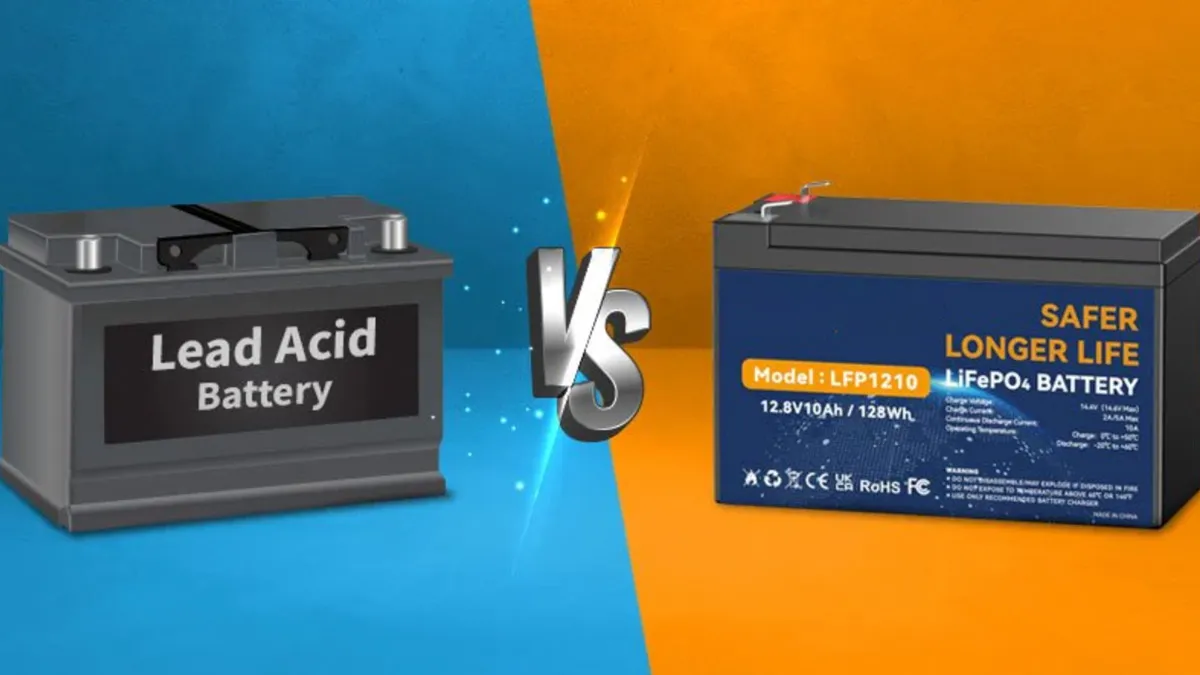
Although both battery types store electrical energy, their internal chemistry, performance characteristics, maintenance requirements, and lifespan differ significantly.
Lead Acid Batteries
Lead acid batteries are one of the oldest and most widely used rechargeable battery technologies, first introduced in 1859. They generate electrical energy through chemical reactions between lead plates and a sulfuric acid electrolyte. Common types include flooded lead acid, AGM (Absorbent Glass Mat), and gel batteries, each designed for different applications and performance requirements.
Due to their proven reliability and relatively low initial cost, lead acid batteries continue to be widely used in automotive starting systems, backup power supplies, telecommunications equipment, solar energy storage systems, and marine applications. Although newer technologies such as lithium batteries offer longer lifespans and higher efficiency, lead acid batteries remain a popular choice for budget-conscious users.
Lithium Batteries
Lithium batteries store and release energy by moving lithium ions between the positive and negative electrodes, making them one of the most advanced rechargeable battery technologies available today. Among the various lithium battery chemistries, LiFePO4 (Lithium Iron Phosphate) batteries are particularly popular for solar energy storage because of their superior safety, long cycle life, and excellent thermal stability.
Lithium batteries are widely used in home energy storage systems, commercial and industrial battery energy storage systems (BESS), electric vehicles, portable power stations, off-grid solar installations, and RV and marine applications. Compared to traditional lead acid batteries, lithium batteries offer higher energy efficiency, deeper depth of discharge, faster charging, greater usable capacity, and a significantly longer lifespan, making them an ideal choice for modern energy storage solutions.
Energy Density Comparison
One of the most significant differences between lithium and lead acid batteries is energy density, which refers to the amount of energy a battery can store relative to its size and weight. Lithium batteries have a much higher energy density, allowing them to store more power in a smaller and lighter package.
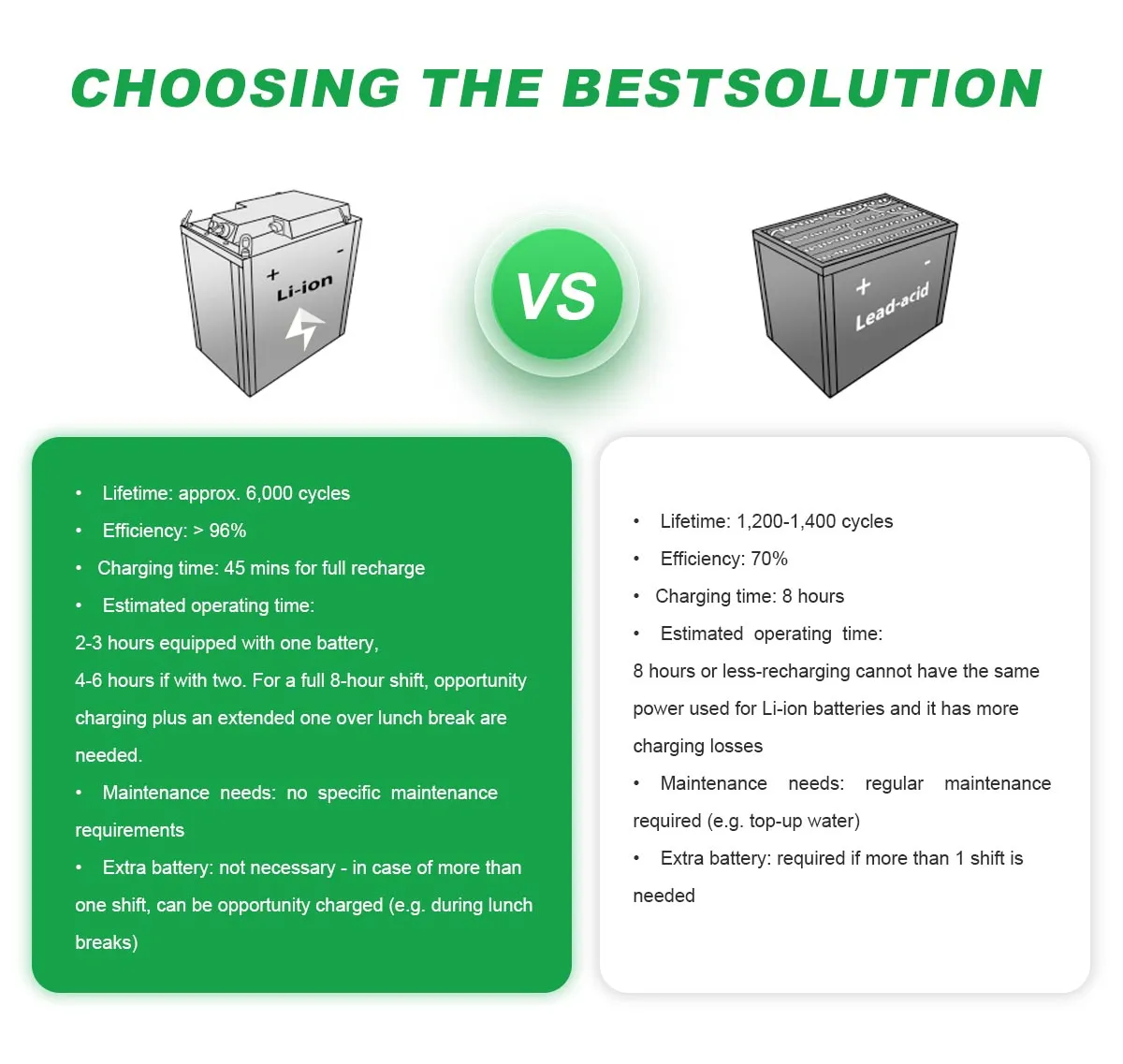
For example, a typical 100Ah lithium battery weighs only 10 to 15 kg, while a comparable 100Ah lead acid battery can weigh between 25 to 35 kg. This substantial weight reduction makes lithium batteries particularly advantageous for applications where space and weight are important considerations, such as RVs, boats, mobile solar systems, and portable energy storage solutions. Their compact design also simplifies installation and transportation while maximizing available storage capacity.
Depth of Discharge (DOD)
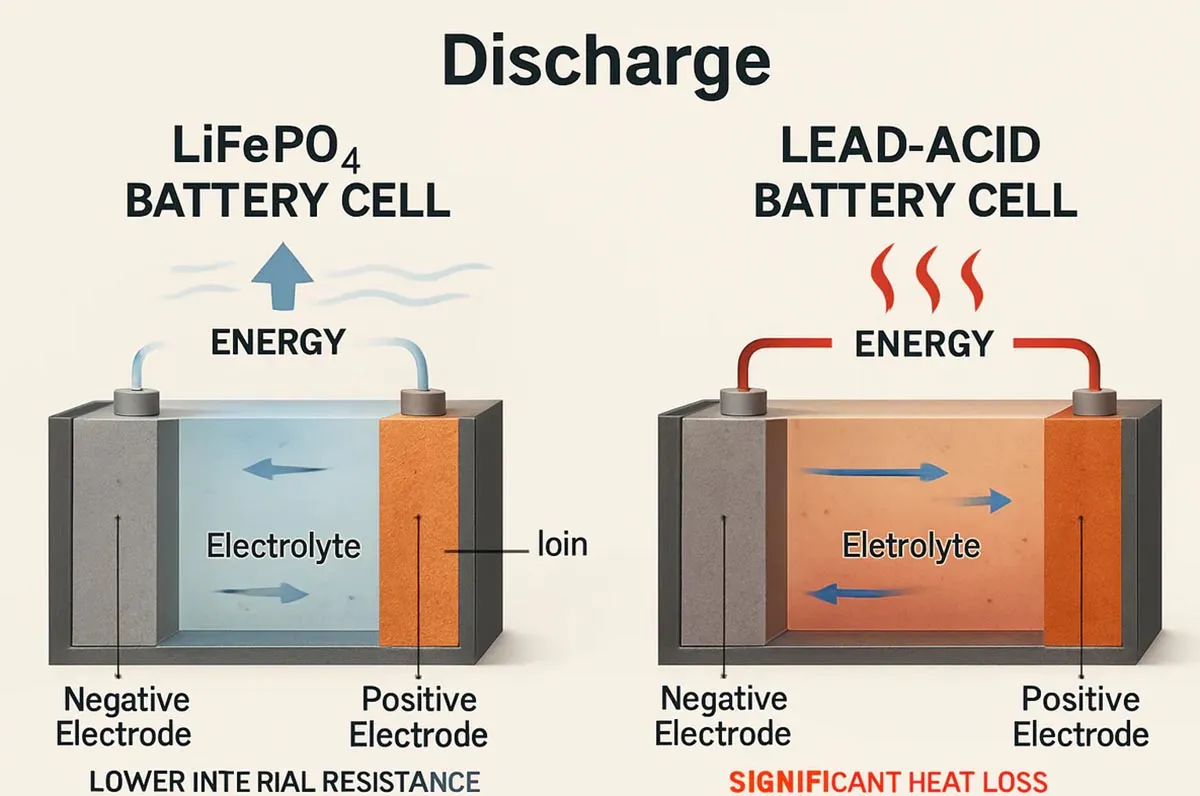
Depth of Discharge (DOD) is a key factor in determining how much of a battery’s stored energy can be safely used before recharging. Lead acid batteries typically should not be discharged beyond 50% of their rated capacity on a regular basis, as deeper discharges can significantly shorten their lifespan.
For example, a 10kWh lead acid battery usually provides only about 5kWh of usable energy. In contrast, lithium batteries, especially LiFePO4 batteries, can safely operate at 80%, 90%, or even 100% DOD in some systems without causing substantial degradation. As a result, a 10kWh lithium battery can deliver approximately 8kWh to 10kWh of usable energy, allowing users to access much more of the battery’s stored power and achieve greater energy efficiency from the same nominal capacity.
Charging Speed
Charging speed is one of the key advantages of lithium batteries over traditional lead acid batteries. Lead acid batteries require a multi-stage charging process, including bulk charging, absorption charging, and float charging, with the absorption stage becoming progressively slower as the battery nears full capacity.
This extended charging time can limit the amount of energy stored, especially during periods of limited sunlight. In contrast, lithium batteries can accept higher charging currents throughout most of the charging cycle, enabling them to recharge much faster and more efficiently. For solar energy storage systems, this faster charging capability allows more solar power to be captured and stored during available daylight hours, improving overall system performance and energy utilization.
Efficiency
Efficiency is an important factor when comparing battery technologies, and it is often measured by round-trip efficiency, which indicates how much stored energy can be recovered and used after charging. Lead acid batteries typically achieve a round-trip efficiency of around 70%–85%, meaning a significant portion of the energy is lost during the charging and discharging process.
Maintenance Requirements
Maintenance requirements are another area where lithium batteries have a clear advantage over traditional lead acid batteries. Flooded lead acid batteries require regular upkeep, including checking and refilling water levels, cleaning battery terminals, performing equalization charging, and inspecting for corrosion to ensure reliable performance and extend battery life.
In contrast, lithium batteries are virtually maintenance-free. Most modern lithium batteries are equipped with an integrated Battery Management System (BMS) that automatically monitors and protects key operating parameters such as voltage, temperature, current, cell balancing, and overcharge conditions. This intelligent management system helps optimize battery performance, enhance safety, and significantly reduce the time and effort required for maintenance, making lithium batteries a more convenient solution for solar energy storage applications.
Lifespan Comparison
Battery lifespan is often the most important factor when comparing lead acid and lithium batteries. Traditional lead acid batteries typically deliver between 500 and 1,500 charge cycles, depending on usage patterns and maintenance practices. In contrast, LiFePO4 lithium batteries commonly provide 4,000 to 8,000 or more charge cycles, making them significantly more durable and reliable for long-term energy storage applications.
With proper installation and operation, many premium lithium batteries can continue performing efficiently for more than 10 years. As a result, a single lithium battery system can often outlast and replace multiple lead acid battery banks over its service life, reducing replacement frequency, maintenance costs, and overall ownership expenses.
Which Battery Is Better for Solar Energy Storage?
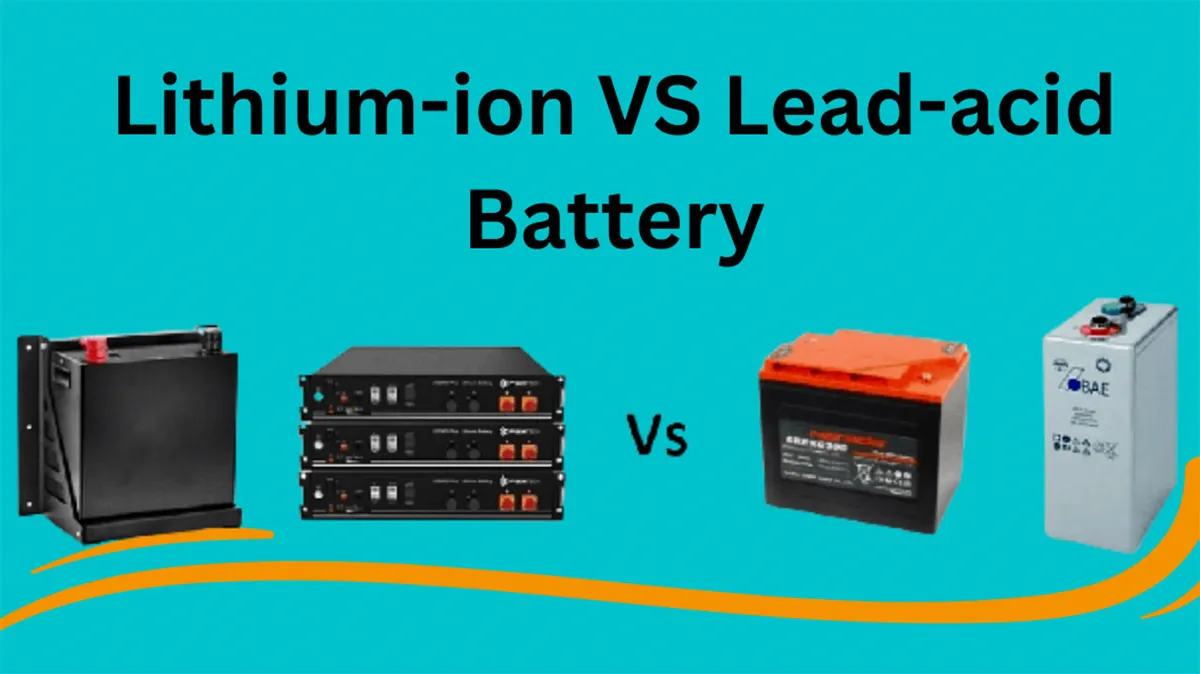
When it comes to solar energy storage, lithium batteries are generally considered the better choice for most modern residential and commercial installations. While lead acid batteries may still appeal to budget-conscious users because of their lower upfront cost, lithium batteries offer several significant advantages, including a longer lifespan, greater usable capacity, higher energy efficiency, faster charging speeds, and minimal maintenance requirements.
These benefits enable solar systems to store and utilize energy more effectively while reducing long-term operating and replacement costs. As lithium battery prices continue to decline and technology advances, lithium-based energy storage solutions, particularly LiFePO4 batteries, are becoming the preferred option for homeowners, businesses, and off-grid users seeking maximum performance and return on investment.
Can I Replace a Lead Acid Battery with a Lithium Battery?
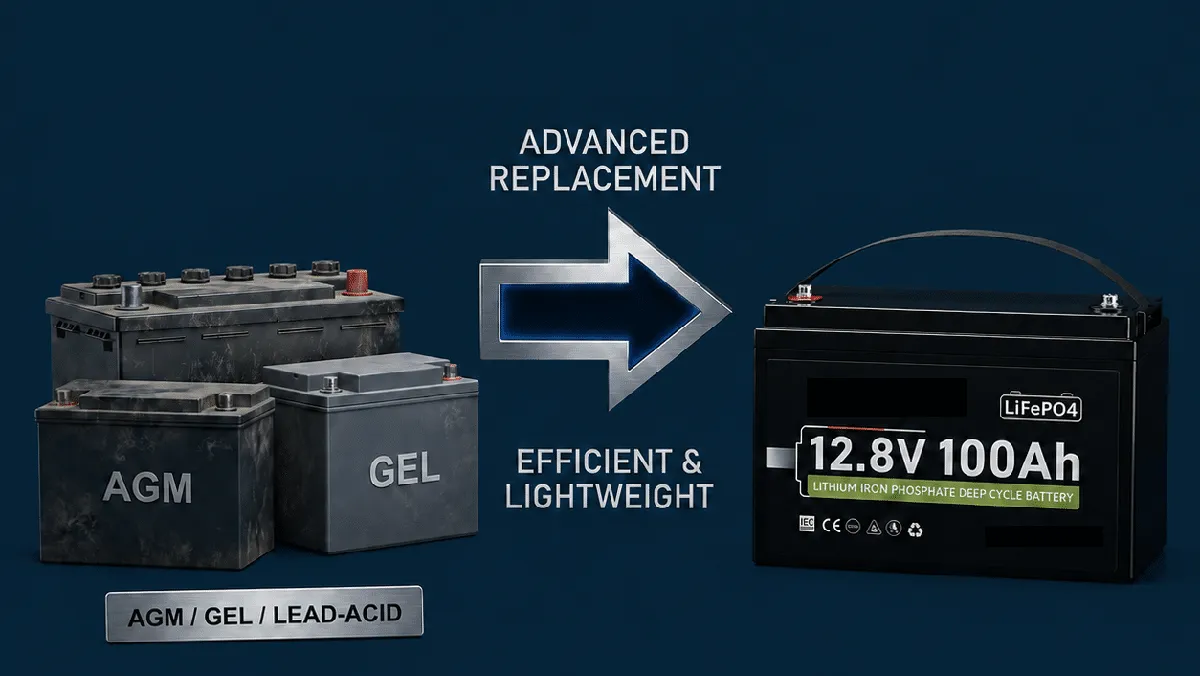
Yes, in most cases, a lead acid battery can be replaced with a lithium battery, making it a popular upgrade for homeowners and businesses with existing solar energy storage systems.
However, before making the switch, it is important to evaluate several technical factors, including battery voltage compatibility, charger settings, solar charge controller configuration, inverter compatibility, and battery management requirements. Proper planning ensures that the new lithium battery system operates safely and delivers optimal performance within the existing solar setup.
Why Upgrade to Lithium?
Many users choose to upgrade from lead acid to lithium batteries because they are frustrated by reduced runtime, frequent maintenance, slow charging speeds, limited usable capacity, and the ongoing cost of replacing aging batteries.
Lithium batteries effectively solve these issues by offering longer service life, deeper depth of discharge, faster charging, higher efficiency, and virtually maintenance-free operation. As a result, upgrading to lithium technology can significantly improve the reliability, performance, and long-term cost-effectiveness of a solar energy storage system.
Benefits of Switching to Lithium
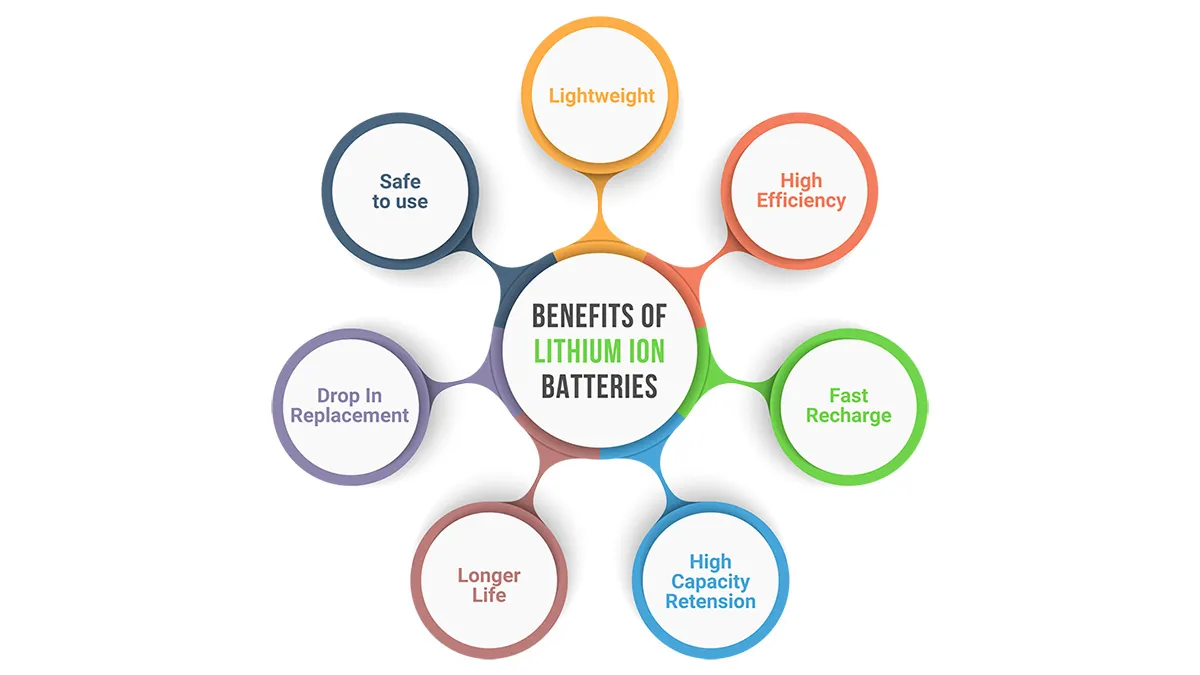
Switching from lead acid batteries to lithium batteries offers several significant benefits that users often notice immediately after the upgrade. Lithium batteries typically last three to five times longer than lead acid batteries, reducing replacement frequency and long-term costs.
They also provide greater usable capacity, allowing more of the stored energy to be utilized for daily power needs. In addition, lithium batteries charge much faster from both solar panels and grid power, improving energy availability and system responsiveness.
Their higher efficiency minimizes energy losses during charging and discharging, while their maintenance-free design eliminates the need for water refilling, equalization charging, and other routine maintenance tasks. Together, these advantages make lithium batteries a more reliable, efficient, and cost-effective solution for modern solar energy storage systems.
Is Replacing Lead Acid with Lithium Worth It?

For most homeowners and businesses, replacing a lead acid battery with a lithium battery is a worthwhile investment. While lithium batteries typically have a higher upfront purchase cost, their significantly longer lifespan, higher energy efficiency, greater usable capacity, and minimal maintenance requirements often lead to a much lower total cost of ownership over time.
Unlike lead acid batteries, which may need to be replaced multiple times during a decade of use, a high-quality lithium battery can continue operating reliably for 10 years or more. As a result, the long-term savings from reduced replacement, maintenance, and energy losses often make lithium batteries the more economical and cost-effective choice for solar energy storage systems.
Why Do Lead Acid Batteries Last Shorter Than Lithium-Ion Batteries?
Many users often question why lead acid batteries tend to fail after only a few years, while lithium batteries can continue operating efficiently for more than a decade. The key reason lies in the fundamental differences in battery chemistry and degradation mechanisms.
Although all rechargeable batteries experience gradual aging and capacity loss over time, the rate of degradation varies significantly between technologies. Lead acid batteries are more prone to chemical and operational limitations that accelerate wear, whereas lithium batteries are engineered to minimize these degradation effects and maintain more stable long-term performance.
One of the main reasons for the shorter lifespan of lead acid batteries is a process known as sulfation. Sulfation occurs when lead sulfate crystals form naturally on the battery plates during discharge.
If the battery is not fully recharged or remains in a partially charged state for extended periods, these crystals harden and become increasingly difficult to reverse. Over time, this process significantly reduces the battery’s usable capacity and overall efficiency.
As sulfation progresses, it increases internal resistance, lowers charging efficiency, and gradually shortens the battery’s operational lifespan. It is one of the most common causes of premature failure in lead acid batteries, especially in solar energy storage applications where partial charging conditions are frequent. In contrast, lithium batteries do not suffer from sulfation, which is one of the key reasons they deliver a much longer and more stable service life in modern energy storage systems.
Lithium Batteries Experience Less Chemical Stress
Unlike lead acid batteries, lithium batteries use a more stable electrochemical process that produces less internal degradation during charging and discharging. Modern LiFePO4 batteries maintain their structural integrity over thousands of cycles, allowing them to retain a high percentage of their original capacity even after years of use.
For example, many high-quality lithium batteries still maintain 80% or more of their original capacity after 6,000 charging cycles. This is one of the key reasons lithium batteries have become the preferred choice for solar energy storage systems.
Depth of Discharge Significantly Affects Lifespan
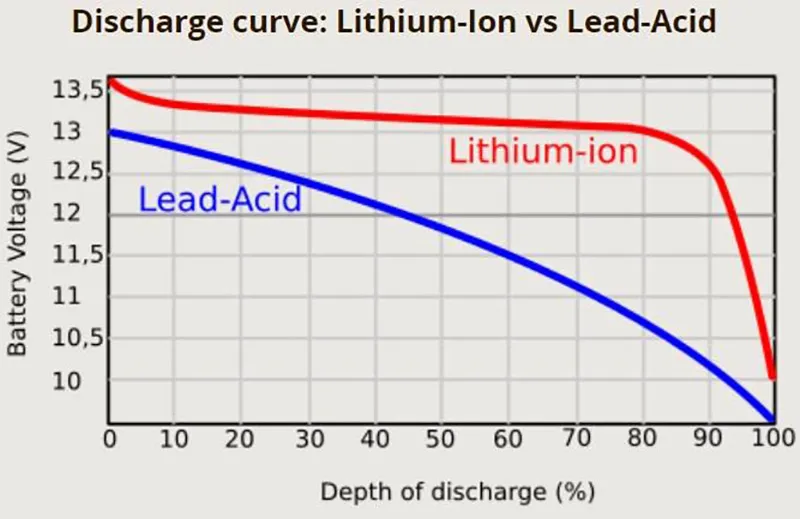
Lead acid batteries are highly sensitive to deep discharge. Repeatedly discharging a lead acid battery below 50% state of charge accelerates wear and can dramatically shorten its lifespan.
A battery that could potentially last five years may fail in only two or three years if it is regularly discharged too deeply. Lithium batteries are specifically designed to tolerate deep cycling.
Most LiFePO4 batteries can safely operate at 80% to 100% depth of discharge without significant damage. This capability allows users to utilize more stored energy while maintaining a long service life.
Heat and Temperature Effects
Temperature has a significant impact on battery aging and overall performance, as high temperatures accelerate internal chemical reactions in all types of batteries. However, lead acid batteries are generally more vulnerable to heat-related degradation.
Excessive heat can lead to increased water loss, faster corrosion of internal components, accelerated sulfation, and a noticeable reduction in overall battery capacity. In contrast, lithium batteries, particularly LiFePO4 chemistry, offer much better thermal stability, allowing them to maintain more consistent performance and longer service life even under fluctuating or harsh environmental conditions, making them more suitable for modern solar energy storage applications.
Cycle Life Comparison
A clear comparison of cycle life highlights why lithium batteries significantly outperform lead acid technologies in long-term applications. A typical lead acid battery offers around 500–1,500 charge cycles, while AGM batteries extend this slightly to 600–1,800 cycles and gel batteries to about 800–2,000 cycles.
In contrast, LiFePO4 lithium batteries commonly deliver 4,000–8,000+ cycles, and premium industrial lithium systems can exceed 10,000 cycles under proper operating conditions. In real-world solar energy storage scenarios where batteries are cycled once per day, this translates into a lifespan of approximately 2–5 years for lead acid systems compared to 10–20 years for lithium-based solutions, demonstrating a substantial difference in durability and long-term performance.
Total Cost
From a financial perspective, although lithium batteries require a higher initial investment, their extended lifespan and higher efficiency often result in a lower total cost of ownership. A homeowner using lead acid batteries may need to replace the entire battery bank two or even three times over the same period that a single lithium battery system remains operational.
When factoring in replacement costs, maintenance requirements, labor expenses, and system downtime, lithium batteries typically provide significantly better economic value over the long term, making them a more cost-effective solution for modern solar energy storage systems.
Can I Use a Lead Acid Charger on a Lithium Battery?
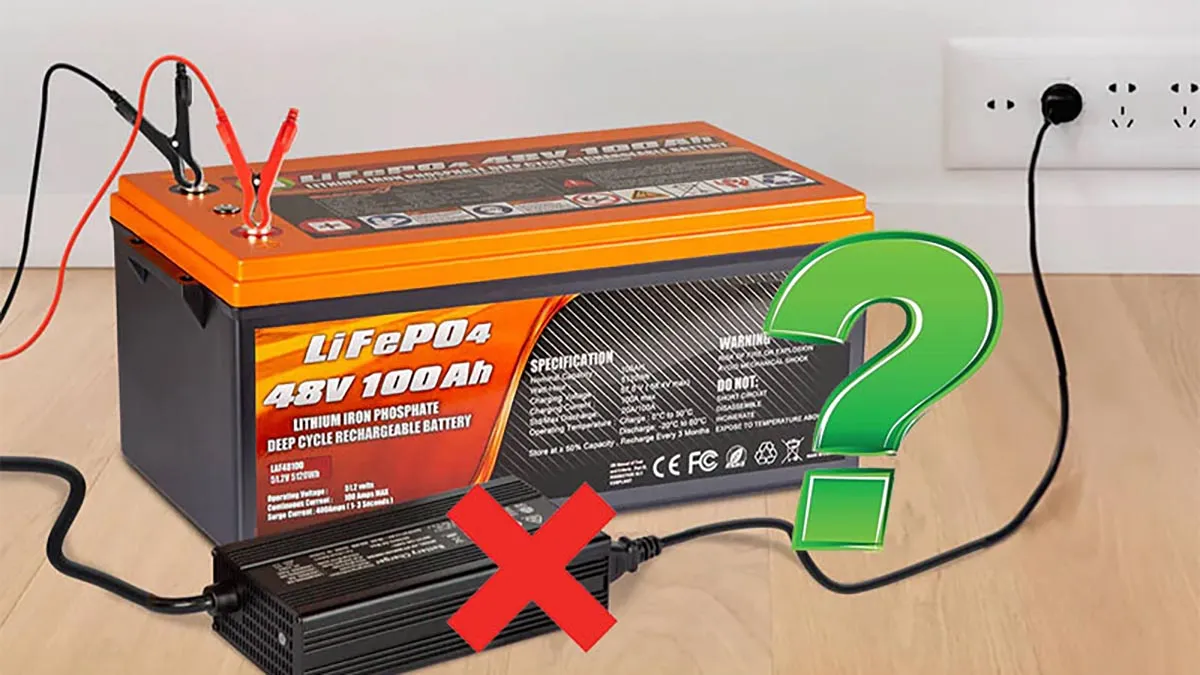
This is one of the most frequently asked questions among battery users.
The short answer is: Usually not.
While some lead acid chargers may appear to work with lithium batteries, using an incompatible charger can reduce battery performance and potentially shorten battery life.
Different battery chemistries require different charging algorithms. Lead acid chargers are specifically designed around the charging characteristics of lead acid batteries. Lithium batteries require a different charging approach. Using the wrong charging profile can create problems.
Risks of Using a Lead Acid Charger on Lithium Batteries
Using a lead acid charger on a lithium battery can introduce several operational risks due to mismatched charging profiles. One of the most common issues is overcharging, where some lead acid chargers may apply voltages that exceed the safe limits for lithium batteries, potentially triggering the Battery Management System (BMS) protection or even causing cell damage.
On the other hand, undercharging can also occur if the charger terminates the process too early, preventing the battery from reaching its full capacity. Over time, repeated exposure to improper voltage settings can accelerate battery degradation and significantly reduce overall lifespan. In more severe cases, the BMS may detect unsafe charging conditions and automatically shut down the battery to prevent further damage, interrupting system operation.
When Can a Lead Acid Charger Work?
In certain situations, a lead acid charger can be used to charge a lithium battery safely, provided that specific conditions are met. This is possible when the charger includes a dedicated lithium charging mode, allowing it to follow the correct voltage and charging profile required by lithium chemistry.
Programmable smart chargers can also be suitable, as they allow users to manually adjust charging parameters to match lithium battery specifications. In addition, chargers that are officially approved or recommended by the battery manufacturer are generally safe to use. However, it is essential that all voltage and charging settings precisely match the lithium battery requirements, and users should always consult the manufacturer’s guidelines before using a lead acid charger to avoid potential performance or safety issues.
Recommended Chargers for Lithium Solar Batteries
For optimal performance and long-term reliability of lithium solar batteries, it is highly recommended to use charging equipment specifically designed for lithium chemistry. This includes lithium-compatible battery chargers that are engineered to follow LiFePO4 charging profiles, ensuring safe and efficient charging cycles.
MPPT solar charge controllers are also a preferred option, as most modern models support customizable lithium battery settings and can optimize solar energy harvesting. In addition, hybrid solar inverters are widely used in advanced energy storage systems, as many of them come with built-in lithium battery management functions and communication capabilities, allowing seamless integration, intelligent charging control, and improved overall system performance.
What’s the Difference Between Alkaline and Lithium Batteries?
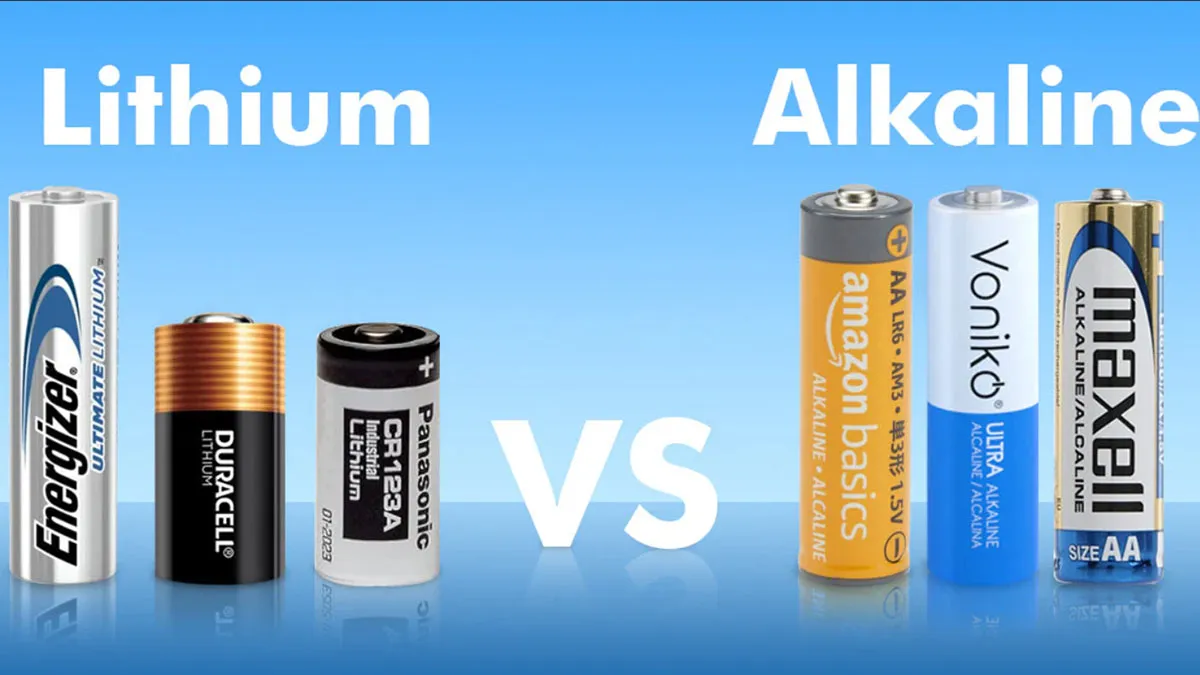
Many people confuse alkaline batteries with lithium batteries.
Although both generate electricity, they are designed for very different purposes.
What Are Alkaline Batteries?
Alkaline batteries are a type of disposable primary battery widely used for everyday household devices. They are commonly found in products such as TV remotes, flashlights, toys, wall clocks, and smoke detectors due to their convenience and low cost. These batteries are designed for single use and are not intended to be recharged safely in most cases.
Once their energy is depleted, alkaline batteries must be replaced with new ones. Because of their simplicity and availability, they remain a popular choice for low-drain electronic devices, although they are not suitable for long-term or high-energy applications compared to rechargeable battery technologies.
What Are Lithium Batteries?
Lithium batteries are advanced energy storage devices that are available in both rechargeable and non-rechargeable forms, with rechargeable lithium-ion technology being the most widely used in modern applications. These batteries are commonly applied in solar energy storage systems, electric vehicles, portable power stations, laptops, smartphones, and home backup power systems due to their high energy density, efficiency, and long service life.
In solar energy applications in particular, LiFePO4 (Lithium Iron Phosphate) batteries have become the dominant chemistry because of their superior safety performance, excellent thermal stability, and long cycle life, making them highly suitable for reliable and long-term energy storage solutions.
Energy Density Comparison
Lithium batteries offer significantly higher energy density compared to alkaline batteries, which means they can store more energy within a smaller and lighter package. As a result, devices powered by lithium batteries benefit from longer operating times, increased energy storage capacity, reduced overall size, and lower weight. This makes lithium technology particularly advantageous for applications where efficiency, portability, and compact design are important.
Rechargeability
Another major difference between the two technologies is rechargeability. Alkaline batteries are typically designed for single-use applications and must be discarded once depleted, while lithium batteries are rechargeable and can be cycled thousands of times over their lifespan. This repeated usability makes lithium batteries far more economical and sustainable for long-term energy storage, especially in solar and industrial applications where frequent replacement would otherwise be required.
Performance in Extreme Temperatures
In addition, lithium batteries generally perform better than alkaline batteries under extreme temperature conditions. They offer improved low-temperature performance, more stable voltage output, and greater operational reliability in both hot and cold environments. These advantages make lithium batteries especially suitable for outdoor and solar energy installations, where systems are often exposed to challenging and fluctuating climatic conditions.
Shelf Life
Alkaline batteries typically offer a shelf life of around 5–10 years, while lithium batteries generally provide a much longer shelf life of approximately 10–20 years. Thanks to their lower self-discharge rate, lithium batteries are able to retain stored energy more effectively over long periods of storage, making them particularly suitable for backup power systems and emergency applications where reliability over time is critical.
Environmental Impact
From an environmental perspective, alkaline batteries contribute to higher levels of waste because they are usually discarded after a single use. In contrast, rechargeable lithium batteries significantly reduce environmental impact by replacing thousands of disposable batteries throughout their operational lifespan. Additionally, many lithium batteries are designed to be recyclable at the end of their service life, further supporting more sustainable energy usage and waste reduction.
Cost Comparison
In terms of cost, alkaline batteries have a lower initial purchase price, which makes them attractive for short-term or low-drain applications. However, the need for frequent replacements can lead to higher long-term expenses. Lithium batteries, although more expensive upfront, offer substantially lower lifetime costs due to their long cycle life, rechargeability, and overall efficiency, making them a more economical choice for long-term energy storage and high-usage applications.
Conclusion
The shift from lead acid batteries to lithium batteries represents a major advancement in modern energy storage technology. While lead acid batteries are still used in some cost-sensitive applications, lithium batteries clearly outperform them in nearly every key aspect, including longer lifespan, higher energy efficiency, faster charging speed, greater usable capacity, and significantly lower maintenance requirements. These advantages make lithium batteries a far more reliable and high-performance solution for today’s energy storage needs.
In solar energy storage systems, LiFePO4 lithium batteries have become the industry standard due to their strong safety profile, excellent durability, and superior long-term economic value. Although their initial investment cost is higher, most users recover this expense over time through reduced maintenance, improved energy utilization, and fewer replacement cycles.
As global demand for renewable energy continues to grow, lithium battery technology is expected to remain the dominant solution for residential, commercial, and industrial energy storage applications for many years to come.
Are you looking for a reliable supplier for lithium solar battery storage systems from Guangzhou China?
JSBESS, a Guangzhou China based original lithium solar factory supplier for BESS lithium solar battery systems, supplies OEM & ODM private label LiFePO₄ battery systems, compatible with Victron, Deye, Growatt, SMA, and Huawei, ideal for household homes, apartments, hotels, office buildings, and the other residential and commercial areas. Contact us today for a full lithium solar battery system catalog, pricing, and project-specific ROI analysis for your market.
If you would like to know more about lithium solar battery, please refer to Lithium Solar Battery Guide: How Lithium Batteries Work, Charge, Restore, and Last.
Yes. Lithium batteries generally provide longer lifespan, higher efficiency, faster charging, deeper discharge capability, and lower maintenance requirements than lead acid batteries.
Most LiFePO4 solar batteries last between 10 and 15 years, while premium models can exceed 20 years under optimal operating conditions.
In many cases, yes. However, you should verify inverter compatibility and ensure charging parameters can be adjusted for lithium batteries.
Lithium batteries use advanced materials and manufacturing processes. However, their longer lifespan often results in a lower total cost of ownership.
Only if the charger supports lithium charging profiles. Using an incompatible charger may reduce battery performance or trigger BMS protection.
LiFePO4 batteries are widely considered the best option due to their safety, efficiency, long lifespan, and low maintenance requirements.
Most lead acid batteries last between 3 and 5 years, depending on operating conditions and maintenance practices.
No. Lithium batteries are generally maintenance-free and do not require watering, equalization charging, or corrosion management.
Most LiFePO4 batteries can safely operate at 80% to 100% depth of discharge, making them much more usable than lead acid batteries.
Compared with repeatedly replacing lead acid or disposable batteries, lithium batteries typically have a lower environmental impact because of their longer lifespan and recyclability.