
How to Ship Lithium Batteries Safely?
Lithium batteries have become the backbone of modern technology. They power smartphones, laptops, electric vehicles, solar energy storage systems, medical devices, portable power stations, and countless other products that people use every day. As global demand for renewable energy and portable electronics continues to rise, the transportation of lithium batteries has become a critical part of international logistics.
However, shipping lithium batteries is far more complicated than shipping ordinary products. Governments, airlines, postal services, and logistics companies classify lithium batteries as potentially hazardous materials because they can overheat, catch fire, or even explode under certain conditions. For this reason, strict regulations govern how lithium batteries can be transported by air, sea, rail, and road.
Many consumers and businesses frequently ask questions such as:
- How do I ship lithium batteries safely?
- Can lithium batteries be taken on a plane?
- Why are lithium batteries dangerous on aircraft?
- Why can’t lithium batteries be placed in checked luggage?
- Can lithium-ion batteries be shipped through USPS?
This comprehensive guide answers all of these questions while helping manufacturers, distributors, e-commerce sellers, and consumers understand the safest and most compliant methods of transporting lithium batteries.
Note: The brands listed are not ranked in any particular order.
Disclaimer: The company names, founding dates, and addresses are sourced from publicly available information online.
Please note: The list in this guide is not exhaustive. There may be other reputable solar inverter brands worth considering.
- How to Ship Lithium Batteries Safely?
- Understanding Types of Lithium Batteries
- How to Ship Lithium Batteries: Air Freight vs. Rail Freight vs. Sea Freight
- Special Considerations for Solar Energy Storage Batteries
- Can Lithium Batteries Be Taken on a Plane?
- Why Are Lithium Batteries Dangerous on Planes?
- Why Can't You Have Lithium Batteries in Checked Luggage?
Understanding Types of Lithium Batteries
Before discussing shipping regulations, it is important to understand the different types of lithium batteries commonly found in the market today.
Lithium-Ion Batteries
Lithium-ion batteries are rechargeable batteries used in Smartphones, Laptops, Tablets, Power tools, Electric bicycles, Electric vehicles and Portable power stations. These batteries store large amounts of energy in a compact package, making them highly efficient but also potentially hazardous if damaged.
Lithium Iron Phosphate (LiFePO4) Batteries
LiFePO4 batteries have become increasingly popular in solar energy storage systems and electric vehicles. Most residential solar battery systems today use LiFePO4 battery technology because of its superior safety profile.
Lithium Metal Batteries
Unlike rechargeable lithium-ion batteries, lithium metal batteries are generally non-rechargeable and commonly found in Watches, Medical devices, Military equipment, Sensors and Backup power systems. These batteries contain metallic lithium and are subject to even stricter transportation regulations.
How to Ship Lithium Batteries: Air Freight vs. Rail Freight vs. Sea Freight
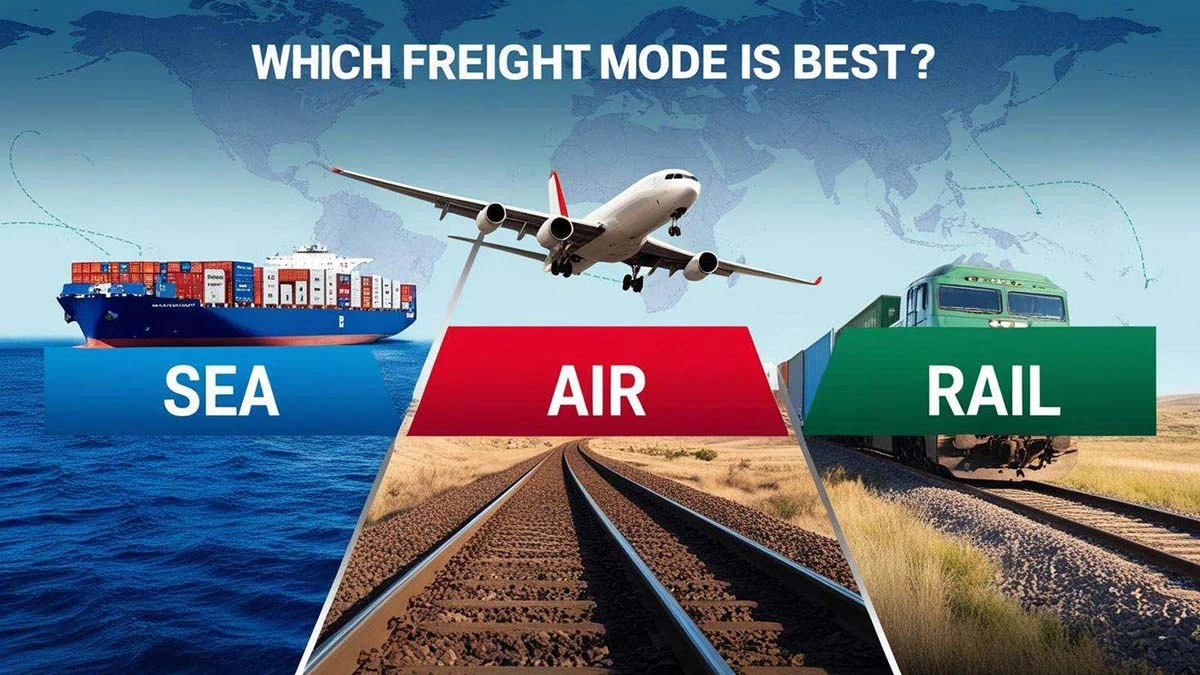
Lithium batteries have become essential components in consumer electronics, electric vehicles (EVs), solar energy storage systems, portable power stations, and industrial equipment. However, because lithium batteries are classified as dangerous goods (DG), shipping them requires compliance with strict international transportation regulations.
If you are exporting lithium-ion batteries, LiFePO4 solar batteries, EV battery packs, or energy storage systems (ESS), understanding the differences between air shipping, train shipping, and sea shipping is critical for ensuring safety, compliance, and cost efficiency.
Why Are Lithium Batteries Regulated?
Lithium batteries contain significant amounts of stored energy. If damaged, improperly packaged, short-circuited, or exposed to extreme temperatures, they may enter a condition called thermal runaway, potentially causing Fire, Explosion, Release of toxic gases and Damage to cargo and transportation equipment. To minimize these risks, international organizations have established transportation standards for lithium batteries.
Before any lithium battery shipment is accepted, batteries must typically pass UN38.3 and MSDS testing, which verifies their ability to withstand vibration, shock, temperature changes, altitude simulation, and other transportation conditions.
Key regulations include:
- UN Recommendations on the Transport of Dangerous Goods
- UN38.3 Testing Requirements
- IATA Dangerous Goods Regulations (DGR)
- IMDG Code (International Maritime Dangerous Goods Code)
- ADR/RID Rail Transportation Regulations
- National postal and customs regulations
How is Air Shipping Lithium Batteries?
Air shipping lithium batteries is the fastest transportation method available for international deliveries, making it an ideal choice for urgent orders, product samples, and small-volume shipments. Air freight, such as DHL, UPS, FedEX, offers rapid transit times, reliable flight schedules, and access to a global airport network, enabling businesses to reach customers and distributors worldwide within a matter of days. For manufacturers of lithium-ion batteries, LiFePO4 batteries, and portable power solutions, air transportation is often the preferred option when speed and supply chain responsiveness are critical.
However, air freight is also the most strictly regulated mode of lithium battery transportation due to potential fire and safety risks. Lithium batteries are classified as dangerous goods and must comply with IATA and airline specific regulations, including UN38.3 certification, proper packaging, hazard labeling, and dangerous goods documentation. In addition, airlines often impose restrictions on battery size, watt-hour ratings, and shipment quantities. While air shipping provides unmatched speed, its higher transportation costs and stringent compliance requirements make it more suitable for urgent or high-value shipments rather than large-scale battery exports.
Air freight availability for lithium batteries is subject to strict safety regulations, and not all battery types are eligible for air transportation. Generally, airlines and air cargo carriers accept small lithium-ion batteries, consumer electronics batteries, batteries installed in or packed with equipment, and certain LiFePO4 batteries that comply with airline and IATA requirements. However, larger and higher risk products such as home energy storage batteries (ESS), high-capacity EV battery packs, damaged or defective lithium batteries, and used batteries are often restricted or prohibited from air transport due to the increased risk of thermal runaway and fire. Before arranging air shipment, exporters should verify battery specifications, packaging compliance, UN38.3 certification, and carrier specific regulations to ensure the shipment can be accepted and transported safely.
For residential solar batteries such as 48V 100Ah LiFePO4 batteries, 51.2V 200Ah lithium batteries, and 10kWh home energy storage systems, air freight is generally costly and subject to strict transportation restrictions due to the batteries large capacity, weight, and dangerous goods classification. While air shipping may be an option for urgent samples or small quantities that meet airline requirements, most commercial energy storage system (ESS) shipments are transported by sea freight, which offers significantly lower costs, greater cargo capacity, and better suitability for large-scale battery exports. As a result, sea transportation remains the preferred logistics solution for manufacturers and distributors of residential solar energy storage products.
How is Train Shipping Lithium Batteries?
Train shipping lithium batteries has become an increasingly popular transportation option, particularly for trade routes between China and Europe. Rail freight offers a practical balance between speed and cost, making it ideal for medium-sized shipments of lithium-ion batteries, LiFePO4 battery packs, solar energy storage systems, and battery components. Compared with air freight, rail transportation is significantly more economical while still providing much faster transit times than sea freight. In addition, rail transport generates lower carbon emissions, making it a more environmentally sustainable logistics solution for battery manufacturers and exporters seeking to reduce their carbon footprint.
Despite its advantages, rail freight also has several limitations. Route availability is restricted to specific railway corridors, primarily serving Eurasian markets, and shipments often pass through multiple countries, requiring additional customs clearance procedures and documentation. Transit times are longer than air freight, making rail less suitable for urgent deliveries. Furthermore, geopolitical factors, border inspections, and regional transportation disruptions can occasionally affect schedules and delivery reliability. Nevertheless, for many lithium battery exporters, rail freight remains an attractive option that combines reasonable costs, reliable transit times, and improved sustainability.
How is Sea Shipping Lithium Batteries?

Sea shipping lithium batteries is the most widely used transportation method for international battery trade, especially for large commercial shipments of lithium-ion batteries, LiFePO4 battery packs, home energy storage systems (ESS), and utility-scale battery energy storage systems (BESS). Sea freight offers the lowest transportation cost among all shipping methods and is well suited for large-volume orders, heavy battery packs, and containerized energy storage projects. With fewer size and weight restrictions compared to air freight, ocean transportation provides a practical and cost-effective solution for manufacturers exporting solar batteries, EV batteries, and commercial energy storage products to global markets.
Although sea freight is highly economical, it also comes with certain challenges. Transit times are significantly longer than air or rail transportation, making it less suitable for urgent deliveries. Shipments may also experience delays caused by port congestion, customs inspections, documentation issues, or adverse weather conditions. Despite these potential drawbacks, sea freight remains the preferred logistics solution for most ESS and BESS manufacturers due to its ability to handle large quantities safely, efficiently, and at a competitive cost, making it the backbone of the global lithium battery supply chain.
Container Shipping

Container shipping is the preferred method for transporting large quantities of lithium batteries and energy storage systems internationally. Most battery exports are shipped either through LCL (Less than Container Load), where cargo is consolidated with other shipments, or FCL (Full Container Load), where an entire container is dedicated to a single customer’s goods.
While LCL can be a cost-effective option for smaller orders, FCL is generally preferred for large-scale ESS and BESS projects because it offers enhanced safety, reduced cargo handling, lower risk of damage, simplified dangerous goods management, and better overall cost efficiency. For utility-scale energy storage systems, containerized FCL shipments provide the most reliable and compliant transportation solution for international logistics.
Which Shipping Method Is Best for Lithium Batteries?
Choosing the best shipping method for lithium batteries depends on several factors, including battery capacity, shipment volume, destination market, delivery timeline, and transportation budget. Because lithium batteries are classified as dangerous goods, exporters must carefully evaluate the advantages and limitations of each transportation mode to ensure compliance, safety, and cost efficiency. Air freight, rail freight, and sea freight each serve different business needs and shipment scenarios.
Air freight is the ideal choice when speed is the highest priority. It is commonly used for urgent deliveries, battery samples, small-volume orders, and lithium batteries packed with equipment such as consumer electronics or industrial devices. Although air transportation offers the fastest transit times and global reach, it also involves the highest shipping costs and the strictest dangerous goods regulations, making it more suitable for time-sensitive shipments rather than large commercial orders.
Rail freight provides a balanced solution between cost and delivery speed, particularly for shipments moving between China and Europe. It is an excellent option for medium-volume lithium battery orders when businesses require faster transit than sea freight but want to avoid the high costs associated with air transportation. Rail shipping is increasingly popular among solar battery manufacturers and distributors because it offers competitive transit times, lower carbon emissions, and reliable service along established Eurasian trade routes.
Sea freight remains the preferred transportation method for most lithium battery exports, especially for solar batteries, home energy storage systems (ESS), commercial and industrial energy storage projects, and utility-scale BESS installations. Ocean shipping offers the lowest logistics cost, accommodates large shipment volumes, and has fewer size and weight restrictions than air freight. For manufacturers exporting 5kWh, 10kWh, 15kWh, or larger battery systems, sea freight provides the most economical and practical solution for international transportation while maintaining compliance with global dangerous goods regulations.
Special Considerations for Solar Energy Storage Batteries
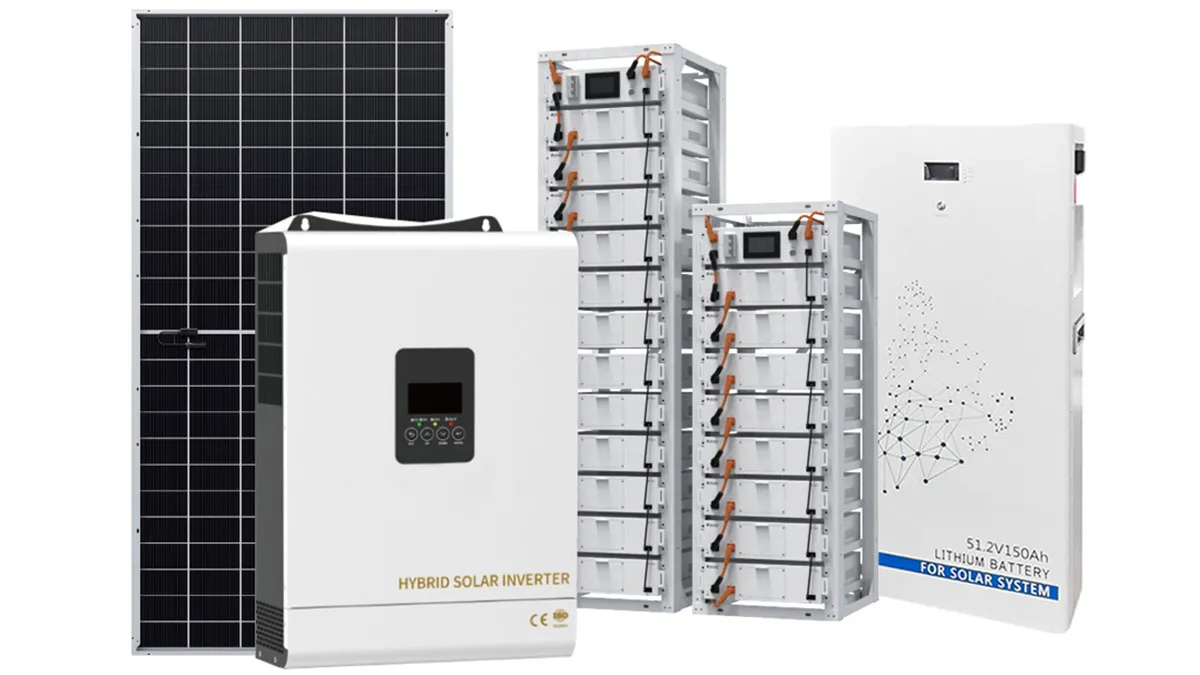
For manufacturers of LiFePO4 battery packs, home energy storage systems, stackable battery systems, commercial ESS, and containerized BESS solutions, sea freight is generally the most economical and practical transportation method. These products are typically large, heavy, and classified as dangerous goods, making air transportation costly and subject to strict capacity limitations. Ocean shipping offers significantly lower logistics costs, greater cargo capacity, and better suitability for large-scale international exports, making it the preferred choice for most solar energy storage manufacturers and distributors.
Products such as 48V 100Ah batteries, 51.2V 200Ah lithium batteries, 10kWh home storage batteries, 15kWh solar battery systems, and 215kWh BESS containers are rarely shipped by air due to their size, weight, and airline restrictions. Instead, these energy storage products are commonly transported by sea freight in compliance with IMDG (International Maritime Dangerous Goods) regulations. To ensure safe and compliant international transportation, shipments are typically accompanied by essential documentation, including UN38.3 test reports, MSDS (Material Safety Data Sheets), dangerous goods declarations, and proper packaging and labeling certifications. This approach helps ensure smooth customs clearance, regulatory compliance, and secure delivery to global markets.
Lithium Battery UN Numbers
The United Nations assigns identification numbers to hazardous materials. Understanding these classifications is essential when preparing shipping documents, common lithium battery classifications include:
- UN3480, Lithium-ion batteries shipped by themselves.
- UN3481, Lithium-ion batteries packed with equipment or installed in equipment.
- UN3090, Lithium metal batteries shipped separately.
- UN3091, Lithium metal batteries packed with equipment.
Packaging Requirements
Proper packaging is the most important step when shipping lithium batteries, many carriers require UN-certified packaging for larger lithium battery shipments. Best packaging practices include:
- Use strong outer packaging.
- Prevent battery movement during transit.
- Protect terminals against short circuits.
- Separate individual batteries.
- Use cushioning materials.
- Avoid damaged or defective batteries.
Labeling Requirements
Most lithium battery shipments require warning labels, failure to apply proper labels can result in shipment rejection, fines, or delays. Common labels include:
- Lithium Battery Mark
- Class 9 Hazard Labelv
- Cargo Aircraft Only Label
- Orientation Arrows
Required Documentation
For solar battery manufacturers and exporters, maintaining complete documentation is essential for customs clearance and international compliance. Commercial lithium battery shipments often require:
- Material Safety Data Sheet (MSDS)
- UN38.3 Test Report
- Dangerous Goods Declaration
- Commercial Invoice
- Packing List
- The other documentations required by local customs
Can Lithium Batteries Be Taken on a Plane?
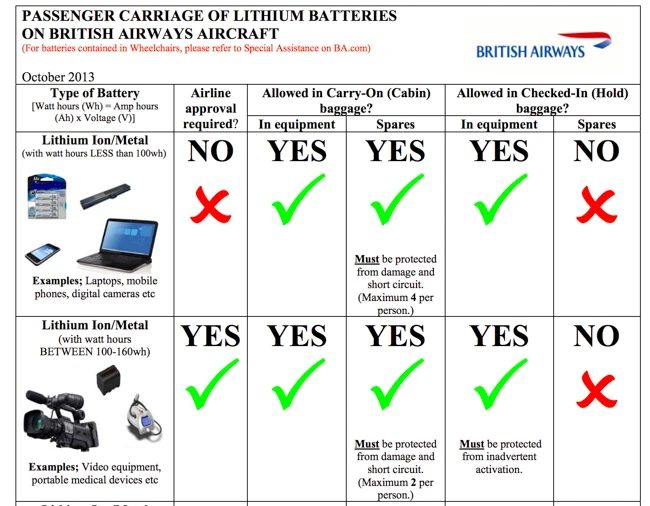
One of the most frequently searched questions on Google is whether passengers can bring lithium batteries onto aircraft. The short answer is yes, but there are restrictions.
Carry-On Luggage Rules
Most airlines and aviation authorities permit lithium batteries to be carried in carry-on luggage, as this provides a safer environment for monitoring potential battery-related incidents during a flight. Common devices containing lithium batteries, such as smartphones, laptops, tablets, digital cameras, power banks, and rechargeable electronic devices, are generally allowed in the aircraft cabin. The primary reason for this policy is safety: if a lithium battery overheats, smokes, or catches fire, passengers and cabin crew can quickly identify and respond to the situation, significantly reducing the risk of a serious onboard incident.
Spare Batteries
Spare lithium batteries are typically required to be carried in hand luggage rather than checked baggage. This includes items such as camera batteries, drone batteries, power banks, replacement laptop batteries, and other loose rechargeable batteries. To prevent short circuits and accidental activation, airlines often require battery terminals to be protected with tape, original packaging, or individual battery cases. Storing spare batteries separately and securely helps minimize transportation risks and ensures compliance with airline safety regulations.
Watt-Hour Restrictions
Airlines usually determine lithium battery allowances based on their watt-hour (Wh) rating. Batteries with a capacity of up to 100Wh are generally permitted in carry-on baggage without special approval. Batteries rated between 100Wh and 160Wh may be allowed with prior airline authorization, while batteries exceeding 160Wh are typically prohibited for passenger transport. As a result, many solar energy storage batteries, LiFePO4 battery packs, home energy storage systems, and large portable power stations exceed these limits and cannot be carried onboard by passengers, requiring transportation through approved cargo channels instead.
International Airline Variations
Although many countries and airlines follow the lithium battery transportation guidelines established by the International Civil Aviation Organization (ICAO) and the International Air Transport Association (IATA), individual airlines may implement additional restrictions based on their own safety policies and operational requirements.
These variations can affect the number of batteries allowed, watt-hour limits, approval procedures, and rules regarding power banks, spare batteries, or electronic devices. Because airline policies can differ significantly and may change over time, travelers should always check the latest battery transportation requirements with their airline before departure to ensure compliance and avoid delays, confiscation of items, or denied boarding.
Why Are Lithium Batteries Dangerous on Planes?
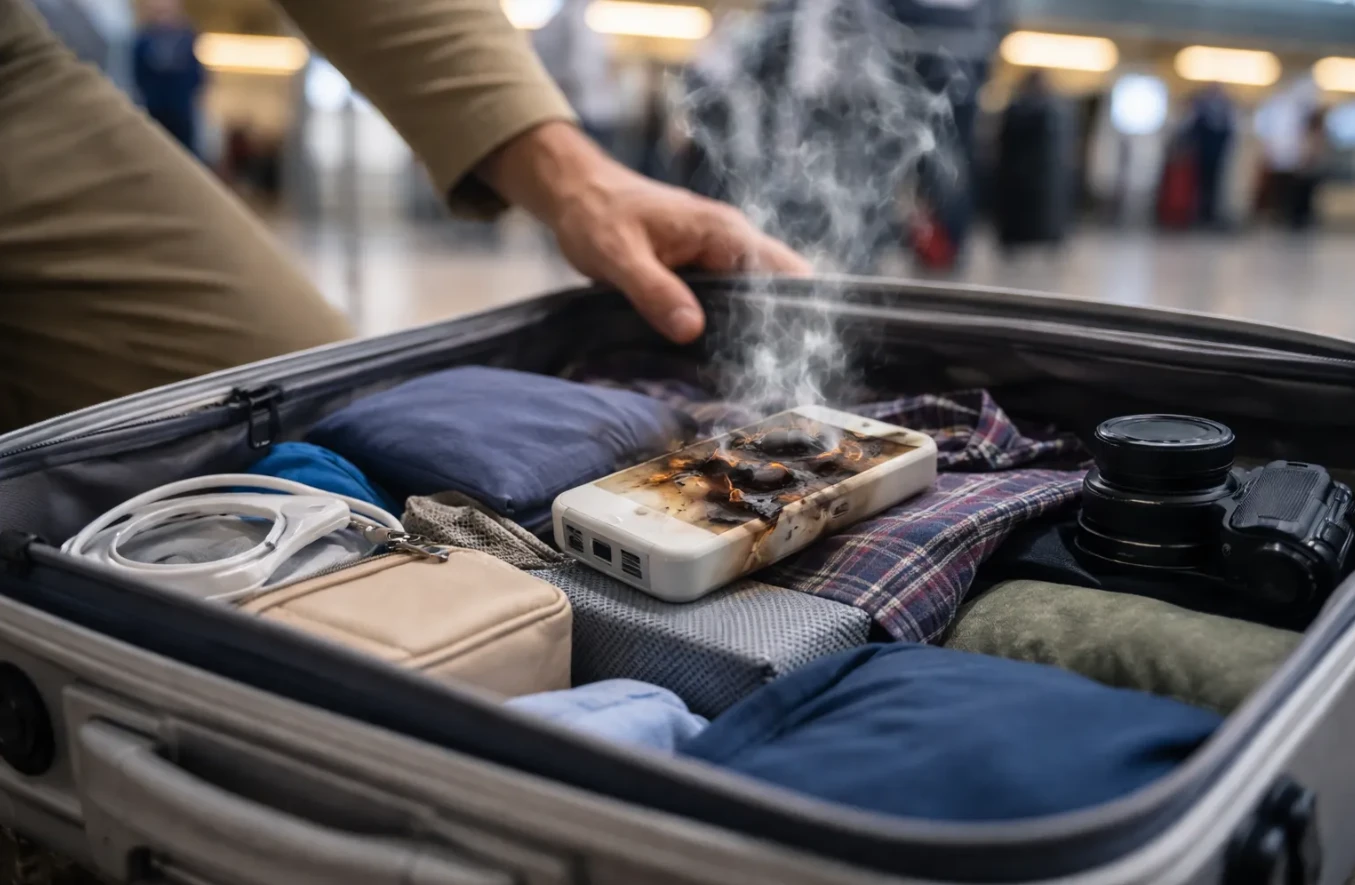
Lithium batteries are considered one of the most significant fire hazards in aviation because they contain a high amount of stored energy that can be released rapidly if the battery becomes damaged, defective, or improperly handled. Unlike many other types of cargo, lithium batteries have the potential to ignite without external fuel sources, making them a unique safety concern for airlines, regulators, and cargo operators worldwide.
One of the primary risks associated with lithium batteries is a phenomenon known as thermal runaway. A damaged or malfunctioning battery can enter this self-sustaining reaction unexpectedly, generating temperatures that may exceed 1,000°F (538°C) while releasing toxic gases and intense flames. In severe cases, the heat from one battery can ignite nearby batteries, creating a chain reaction that rapidly escalates the situation. Because commercial aircraft carry hundreds of passengers and crew members, even a relatively small battery fire can become a serious safety threat if not controlled quickly.
Over the past decade, aviation authorities have recorded numerous incidents involving overheated power banks, smoking smartphones, damaged laptop batteries, and lithium battery cargo shipments. These events have demonstrated that battery failures can occur during transportation and have led regulators to introduce increasingly stringent requirements for battery packaging, labeling, testing, and handling. As a result, airlines now enforce strict rules regarding the transport of spare batteries, power banks, and high-capacity lithium battery products.
The risks become even greater when large quantities of lithium batteries are transported as cargo. In cargo compartments, a battery fire may not be detected immediately and can spread before the flight crew has an opportunity to respond effectively. Furthermore, commercial shipments often contain hundreds or even thousands of battery cells packed together, increasing the possibility of a cascading thermal runaway event if a single battery ignites. For these reasons, air cargo regulations governing lithium batteries are among the strictest in the logistics industry, and large solar batteries, EV batteries, and energy storage systems must comply with rigorous safety and documentation requirements before being approved for air transport.
Why Can’t You Have Lithium Batteries in Checked Luggage?
Many travelers are surprised to learn that spare lithium batteries are generally prohibited in checked luggage, but the restriction is based on important aviation safety considerations. When lithium batteries are carried in the aircraft cabin, flight attendants and passengers can quickly detect warning signs such as smoke, unusual heat, or battery failure. Cabin crews are trained to respond to battery-related incidents using specialized procedures, including fire containment bags and cooling measures, which help prevent a minor battery malfunction from developing into a serious onboard emergency.
In contrast, lithium batteries stored in checked baggage remain inaccessible during flight, making it much more difficult to detect and control a fire if one occurs. A power bank or loose battery that is accidentally activated, damaged, or short-circuited inside a suitcase could overheat and ignite surrounding materials without immediate detection. Additionally, checked luggage is exposed to rough handling, vibration, compression, and impacts during transportation, increasing the risk of battery damage. For these reasons, aviation authorities worldwide require passengers to keep spare lithium-ion batteries, power banks, and loose battery packs in carry-on baggage rather than checked luggage, significantly improving safety for everyone onboard the aircraft.
Lithium batteries can be shipped safely by air, rail, or sea, but each transportation mode has different costs, transit times, and regulatory requirements. Air freight offers speed but faces the strictest restrictions. Rail freight provides a balanced solution for Eurasian trade routes. Sea freight remains the preferred choice for most solar battery, LiFePO4 battery, and BESS shipments due to its cost-effectiveness and ability to handle large volumes.
For solar battery manufacturers and exporters, maintaining proper UN38.3 certification, MSDS documentation, dangerous goods labeling, and compliant packaging is essential regardless of the transportation method chosen. Shipping lithium batteries requires compliance with several international standards and carrier-specific regulations.
Are you looking for a reliable supplier for lithium solar battery storage systems from Guangzhou China?
JSBESS, a Guangzhou China based original lithium solar factory supplier for BESS lithium solar battery systems, supplies OEM & ODM private label LiFePO₄ battery systems, compatible with Victron, Deye, Growatt, SMA, and Huawei, ideal for household homes, apartments, hotels, office buildings, and the other residential and commercial areas. Contact us today for a full lithium solar battery system catalog, pricing, and project-specific ROI analysis for your market.
If you would like to know more about the safety of lithium battery recycling and air travel tips, please refer to What to Do with Lithium Ion Batteries: Recycling and Air Travel Guide.
To ship lithium batteries safely, they must be packaged in strong, non-conductive materials that prevent movement and protect terminals from short circuits. Batteries should comply with applicable transportation regulations, including UN38.3 testing requirements, proper labeling, and dangerous goods documentation. Damaged or defective batteries should never be shipped.
Yes, many lithium batteries can be shipped by air, but they are subject to strict regulations established by the International Air Transport Association (IATA) and airline carriers. Small lithium-ion batteries and batteries packed with equipment are generally accepted, while large energy storage batteries and high-capacity battery packs may face restrictions or require special approvals.
The most commonly required documents include:
UN38.3 Test Report
MSDS (Material Safety Data Sheet)
Commercial Invoice
Packing List
Dangerous Goods Declaration (when applicable)
Lithium Battery Shipping Label
Requirements may vary depending on the battery type, transportation method, and destination country.
Yes, USPS allows certain lithium-ion and lithium metal batteries to be shipped domestically if they meet packaging, labeling, and quantity limitations. However, international shipping restrictions are stricter, and some battery types may not be eligible for USPS transportation.
Lithium batteries are classified as dangerous goods because they can experience thermal runaway if damaged, improperly packaged, or exposed to excessive heat. Thermal runaway may cause overheating, fire, smoke, or explosion, creating safety risks during transportation.
Yes, lithium batteries can be shipped internationally by air, sea, rail, or road, provided they comply with international regulations such as IATA Dangerous Goods Regulations (DGR), IMDG Code, and destination-country requirements. Proper testing, packaging, and documentation are essential.
UN38.3 is a mandatory transportation safety standard that lithium batteries must pass before they can be shipped commercially. The testing evaluates a battery’s ability to withstand altitude simulation, vibration, shock, temperature changes, impact, and short-circuit conditions during transportation.
Yes, LiFePO4 batteries are commonly shipped by sea freight, especially for solar energy storage systems, ESS, and BESS projects. Sea freight is often the most economical and practical shipping method for large battery packs because it accommodates heavier cargo and fewer capacity restrictions than air freight.
Lithium batteries should be packed in sturdy outer packaging, protected against movement, and insulated to prevent terminal contact. Individual batteries should be separated whenever possible, and all required lithium battery marks and hazard labels must be applied according to transportation regulations.
The best shipping method depends on shipment size, destination, urgency, and budget. Air freight is best for urgent deliveries and samples, rail freight offers a balance between speed and cost for Eurasian routes, and sea freight is generally the preferred option for large shipments, solar batteries, ESS systems, and commercial battery projects.