
Lithium ion batteries have become an essential part of modern life.
They power everything from smartphones and laptops to electric vehicles, solar energy storage systems, portable power stations, and large-scale Battery Energy Storage Systems (BESS). As global demand for renewable energy continues to grow, millions of lithium batteries are reaching the end of their useful lives each year. This has created an important question for consumers, businesses, and solar system owners alike: what should be done with old lithium-ion batteries?
Unlike traditional household waste, lithium batteries contain valuable materials and can pose serious safety risks if disposed of improperly. Incorrect handling can lead to fires, environmental contamination, and violations of local waste management regulations. At the same time, advancements in battery recycling technologies are making it increasingly possible to recover valuable resources and support a circular economy.
This guide explains everything you need to know about lithium battery disposal, recycling, transportation, and airline regulations. Whether you own a solar battery, an electric vehicle battery, or a portable power bank, understanding how to manage lithium batteries responsibly can help protect both the environment and public safety.
Note: The brands listed are not ranked in any particular order.
Disclaimer: The company names, founding dates, and addresses are sourced from publicly available information online.
Please note: The list in this guide is not exhaustive. There may be other reputable solar inverter brands worth considering.
- Lithium ion batteries have become an essential part of modern life.
- Are Lithium Ion Batteries Recyclable?
- What to Do with Old Lithium Ion Batteries?
- Can You Throw Lithium Batteries in the Trash?
- Can You Bring Lithium Batteries on a Plane?
- Why Can't You Fly with Certain Lithium Batteries?
- The Future of Lithium Battery Recycling
- Are you looking for a reliable supplier for lithium solar battery storage systems from Guangzhou China?
Are Lithium Ion Batteries Recyclable?

The good news is that lithium-ion batteries are recyclable. In fact, recycling has become one of the most important strategies for supporting the long-term sustainability of the energy storage industry. Modern recycling facilities can recover valuable materials from used batteries and return them to the manufacturing supply chain.
Lithium batteries contain a variety of valuable metals and materials, including lithium, copper, aluminum, nickel, cobalt, and graphite. Recovering these materials reduces the need for mining new resources, lowers environmental impacts, and helps stabilize supply chains for future battery production. As electric vehicles, solar energy storage systems, and renewable energy projects continue to expand worldwide, recycling will play a critical role in meeting future demand for battery materials.
In addition to conserving resources, recycling helps reduce the environmental risks associated with battery disposal. Batteries that end up in landfills can leak chemicals, contribute to pollution, or become damaged and cause fires. Proper recycling ensures these materials are managed safely while maximizing resource recovery.
Why Lithium Battery Recycling Matters?
The transition to renewable energy depends heavily on lithium battery technology. As the number of batteries in circulation increases, so does the importance of creating a sustainable end-of-life solution.
Battery recycling helps create a circular economy where materials are reused instead of discarded. Rather than extracting new lithium, nickel, cobalt, and copper from the earth, manufacturers can utilize recovered materials from recycled batteries. This reduces environmental damage, lowers greenhouse gas emissions associated with mining, and improves the overall sustainability of energy storage technologies.
Recycling also addresses a growing public safety concern. Improperly discarded lithium batteries have become a leading cause of fires in garbage trucks, recycling centers, and waste processing facilities. Safe collection and recycling programs significantly reduce these risks while ensuring compliance with environmental regulations.
How to Recycle Lithium Batteries?
Recycling lithium batteries begins with proper preparation. Before transporting batteries for recycling, users should follow basic safety procedures to minimize risks.
Whenever possible, batteries should be discharged to a lower state of charge according to manufacturer recommendations. Reducing stored energy lowers the likelihood of accidental overheating or short circuits during transportation. Battery terminals should be covered with non-conductive tape to prevent accidental contact between positive and negative terminals.
Batteries should then be packaged securely using non-metal containers or protective materials that prevent movement and physical damage. Once prepared, they can be delivered to authorized battery recycling centers, municipal e-waste facilities, hazardous waste collection sites, or manufacturer-sponsored collection programs.
At the recycling facility, batteries undergo several processing stages. They are collected, sorted by chemistry and size, shredded into smaller components, and processed to separate valuable materials. These materials are then refined and reused in the production of new batteries and other industrial products.
What to Do with Old Lithium Ion Batteries?
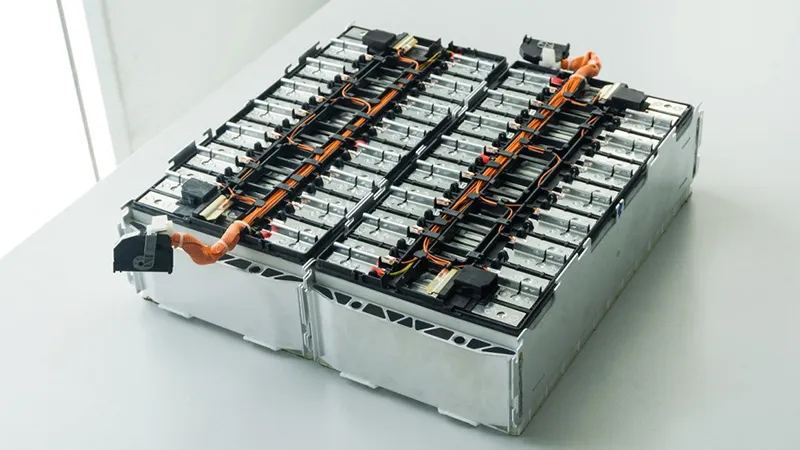
When a lithium-ion battery reaches the end of its service life, it should never be treated like ordinary household waste. Even batteries that no longer hold a charge may still contain residual energy and hazardous materials. Old lithium batteries can remain useful in certain second-life applications, but eventually they must be recycled or disposed of through approved channels.
Many lithium batteries removed from solar energy storage systems can be repurposed for less demanding applications before recycling. For example, batteries that no longer meet the performance requirements of a residential solar installation may still be suitable for backup power systems or energy storage projects with lower power demands. However, once a battery becomes damaged, degraded, or unsafe, recycling becomes the most responsible option.
Consumers should also take advantage of manufacturer take-back programs whenever available. Many battery manufacturers, solar installers, and energy storage providers now offer collection services to ensure batteries are recycled properly. These programs simplify the disposal process and help prevent batteries from entering landfills or waste streams where they may create hazards.
Can You Throw Lithium Batteries in the Trash?
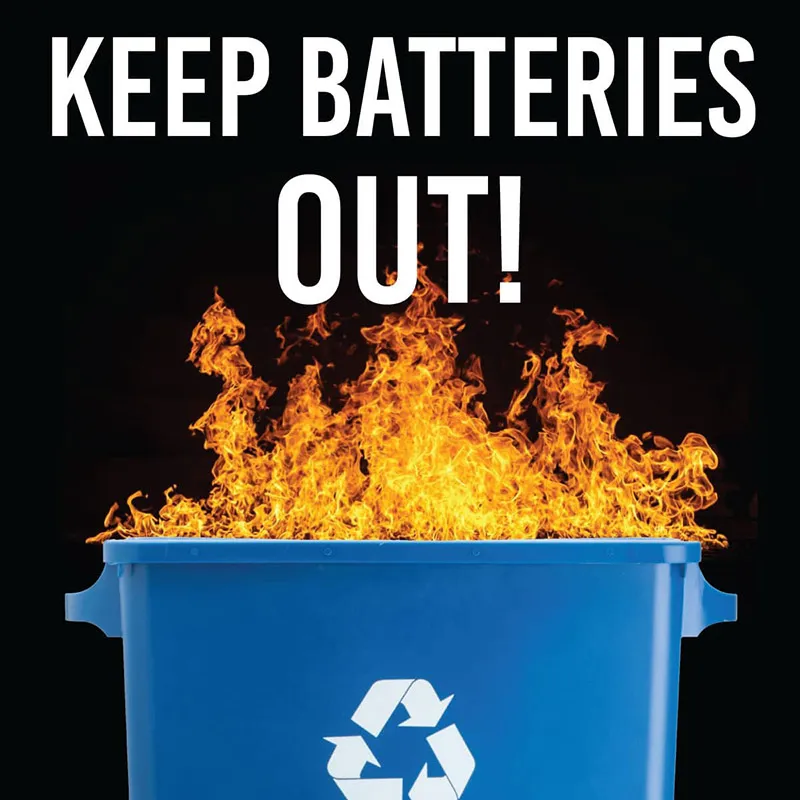
The simple answer is no! Lithium batteries should never be thrown into household trash.
One reason is safety. Lithium batteries can become damaged during waste collection, transportation, or landfill operations. If the battery casing is punctured or crushed, an internal short circuit may occur, potentially causing overheating, fire, or even thermal runaway. These incidents have become increasingly common as more lithium batteries enter municipal waste streams.
Environmental concerns are equally important. Lithium batteries contain materials that should be recovered and reused rather than buried in landfills. Improper disposal may contribute to soil contamination, water pollution, and unnecessary resource waste. In many regions, disposing of lithium batteries in regular trash may also violate local regulations governing hazardous waste management.
For these reasons, consumers should always use approved recycling and collection programs instead of household garbage disposal.
Can You Bring Lithium Batteries on a Plane?

Many travelers are surprised to learn that lithium batteries are subject to special airline regulations. The reason is simple: although lithium batteries are generally safe, damaged or defective batteries can pose fire risks in confined aircraft environments.
Most airlines allow lithium batteries in carry-on luggage, but restrictions apply depending on battery size and type. Small batteries used in personal electronics such as smartphones, laptops, cameras, and tablets are generally permitted. Spare batteries and power banks are usually required to remain in carry-on baggage rather than checked luggage.
Battery capacity is typically measured in watt-hours (Wh). Most airlines allow batteries under 100Wh without special approval. Batteries between 100Wh and 160Wh may require airline authorization, while batteries exceeding 160Wh are often prohibited from passenger aircraft.
Travelers carrying portable power stations, solar generators, or large lithium battery packs should always verify airline requirements before departure.
Why Can’t You Fly with Certain Lithium Batteries?

Airline restrictions exist because lithium battery fires present unique challenges during flight. If a battery experiences thermal runaway at high altitude, it can generate intense heat, release flammable gases, and potentially ignite nearby materials.
Although commercial aircraft are equipped with firefighting equipment, lithium battery fires can be difficult to extinguish completely. In some cases, batteries may reignite even after appearing to be extinguished. Because cargo compartments are not continuously monitored in the same way as passenger cabins, airlines prefer to keep batteries where flight crews can respond quickly if an incident occurs.
This is why power banks and spare lithium batteries are typically prohibited from checked baggage. Keeping them in carry-on luggage allows crew members to detect overheating, smoke, or unusual battery behavior and take immediate action if necessary.
International aviation organizations, including the International Civil Aviation Organization (ICAO), the International Air Transport Association (IATA), and aviation authorities around the world, have established strict regulations to reduce battery-related risks during air travel.
Best Practices for Lithium Battery Storage and Transportation
Whether storing a residential solar battery, transporting replacement batteries, or traveling with portable power equipment, following proper safety procedures is essential.
Lithium batteries should be stored in cool, dry locations away from direct sunlight and heat sources. Extreme temperatures can accelerate degradation and increase safety risks. Damaged batteries should be isolated immediately and handled according to manufacturer recommendations.
During transportation, batteries should be protected from impact, vibration, puncture, and short circuits. Proper packaging and labeling are particularly important for commercial shipments and international transportation. Businesses involved in solar energy storage, battery distribution, or logistics should ensure compliance with all applicable transportation regulations.
The Future of Lithium Battery Recycling
As demand for electric vehicles, solar energy storage systems, and renewable energy technologies continues to grow, battery recycling will become increasingly important. New recycling technologies are improving recovery rates, reducing processing costs, and making recycled materials more competitive with newly mined resources.
Researchers are developing advanced recycling methods that can recover higher percentages of lithium, nickel, cobalt, and other valuable materials while using less energy. Artificial intelligence and automation are also improving battery sorting and processing efficiency.
In the future, many experts envision a closed-loop battery manufacturing ecosystem in which materials recovered from old batteries are continuously reused to produce new energy storage products. Such systems could dramatically reduce environmental impacts while supporting the continued expansion of clean energy technologies.
Lithium-ion batteries have transformed modern energy storage, powering everything from smartphones and laptops to solar battery systems and electric vehicles. However, as these batteries reach the end of their useful lives, responsible disposal and recycling become essential.
Old lithium batteries should never be thrown into household trash due to fire risks, environmental concerns, and regulatory requirements. Instead, they should be recycled through authorized battery collection programs, e-waste facilities, hazardous waste centers, or manufacturer take-back programs. Recycling not only protects the environment but also recovers valuable materials that can be reused in future battery production.
Whether you are disposing of a home solar battery, recycling a power bank, or traveling with lithium batteries on an airplane, understanding proper handling procedures is critical. By following recommended safety practices and supporting battery recycling initiatives, consumers and businesses can contribute to a safer and more sustainable energy future.
Are you looking for a reliable supplier for lithium solar battery storage systems from Guangzhou China?
JSBESS, a Guangzhou China based original lithium solar factory supplier for BESS lithium solar battery systems, supplies OEM & ODM private label LiFePO₄ battery systems, compatible with Victron, Deye, Growatt, SMA, and Huawei, ideal for household homes, apartments, hotels, office buildings, and the other residential and commercial areas. Contact us today for a full lithium solar battery system catalog, pricing, and project-specific ROI analysis for your market.
If you would like to know more about the safety of lithium solar battery storage systems, please refer to Lithium Solar Battery Guide: Safety, Fire Risks, Disposal.
Old lithium-ion batteries should be recycled through authorized recycling centers, e-waste facilities, or manufacturer take-back programs.
Yes. Valuable materials such as lithium, copper, aluminum, nickel, cobalt, and graphite can be recovered and reused.
No. Lithium batteries should never be placed in household trash due to fire and environmental risks.
Discharge them if possible, tape the terminals, package them securely, and transport them to an approved recycling facility.
Yes. Damaged lithium batteries are a significant source of fires in waste collection and disposal systems.
Most solar batteries, including lithium-based energy storage systems, can be recycled through specialized programs.
Yes, but it generally must be carried in carry-on luggage and comply with airline watt-hour limits.
Because damaged batteries can overheat, catch fire, and create safety risks during flight.
Lithium, copper, aluminum, nickel, cobalt, and graphite are commonly recovered.
Advanced recycling technologies and closed-loop manufacturing systems are expected to improve sustainability and resource recovery.