
Lithium Solar Battery Energy Is Rapidly Growing
The rapid growth of renewable energy has transformed how homes and businesses generate and store electricity. Among all energy storage technologies available today, the lithium solar battery has emerged as the dominant solution for residential solar systems, commercial energy storage projects, and utility-scale Battery Energy Storage Systems (BESS).
The popularity of lithium batteries is driven by several advantages, including higher efficiency, longer lifespan, deeper discharge capability, and lower maintenance requirements compared with traditional lead-acid batteries.
However, as lithium batteries become more widely adopted, many consumers and business owners have questions regarding battery safety. News headlines occasionally report battery fires, battery explosions, or recalls involving lithium-ion technology. As a result, people frequently search for answers to questions such as:
- What is a lithium battery?
- Do lithium batteries explode?
- Why do lithium batteries catch fire?
- How can lithium battery fires be prevented?
- How do I dispose of lithium batteries safely?
This comprehensive guide answers these questions while providing practical information for homeowners, solar installers, commercial facility managers, and energy storage professionals.
Note: The brands listed are not ranked in any particular order.
Disclaimer: The company names, founding dates, and addresses are sourced from publicly available information online.
Please note: The list in this guide is not exhaustive. There may be other reputable solar inverter brands worth considering.
- Lithium Solar Battery Energy Is Rapidly Growing
What Is a Lithium Battery?
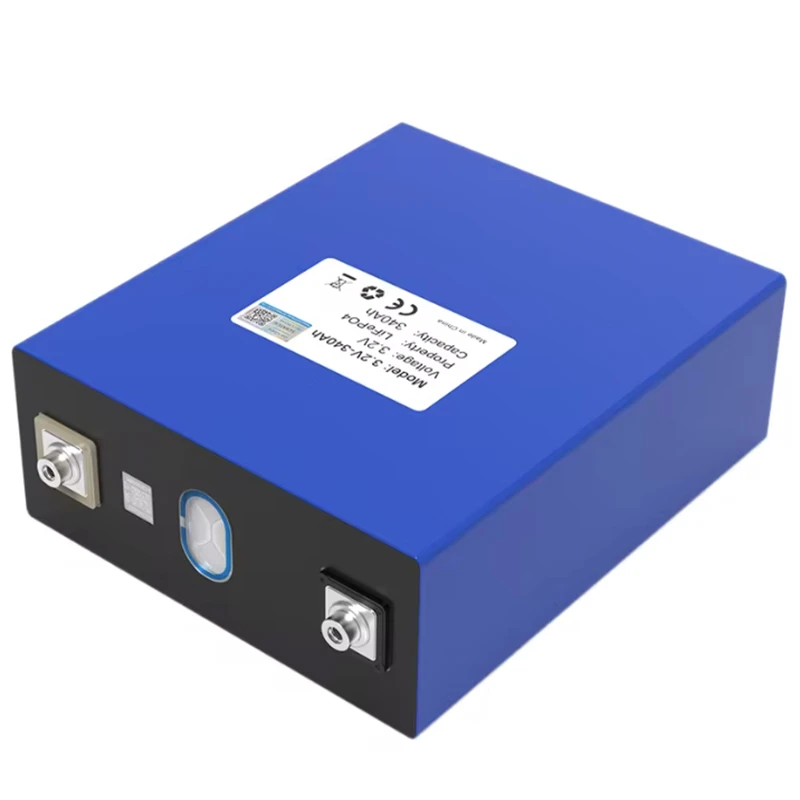
A lithium battery is a rechargeable energy storage device that stores and releases electrical energy through the movement of lithium ions between two electrodes. Unlike conventional lead-acid batteries that rely on lead plates and sulfuric acid, lithium batteries use advanced electrochemical materials that provide higher energy density and superior performance.
During charging, lithium ions move from the positive electrode (cathode) to the negative electrode (anode), storing energy. During discharge, the ions move back to the cathode, releasing stored energy that powers electrical devices or solar systems. This reversible process allows lithium batteries to be charged and discharged thousands of times.
Main Components of a Lithium Battery
Every lithium battery consists of several critical components that work together to store and deliver electrical energy safely and efficiently. These include the cathode (positive electrode), which stores and releases lithium ions; the anode (negative electrode), which receives and stores lithium ions during charging; the electrolyte, which enables lithium ions to move between the electrodes; the separator, which prevents direct contact between the cathode and anode while allowing ion flow; and the Battery Management System (BMS), which monitors voltage, current, temperature, and overall battery health to ensure safe operation. Together, these components determine the battery performance, lifespan, energy density, and safety, making lithium batteries the preferred choice for solar energy storage systems, electric vehicles, and other modern energy applications.
Cathode
The cathode is the positive electrode and contains lithium-based materials such as Lithium Iron Phosphate (LiFePO4), Lithium Nickel Manganese Cobalt Oxide (NMC) and Lithium Cobalt Oxide (LCO). The cathode largely determines battery performance, safety, and lifespan.
Anode
The anode is typically made from graphite and serves as the storage location for lithium ions during charging.
Electrolyte
The electrolyte is the medium that enables lithium ions to move between electrodes.
Separator
The separator prevents direct contact between the cathode and anode while allowing ion transfer.
Battery Management System (BMS)
The BMS is one of the most important safety features in modern lithium solar batteries. If abnormal conditions occur, the BMS can disconnect the battery to prevent damage or fire.
Types of Lithium Batteries
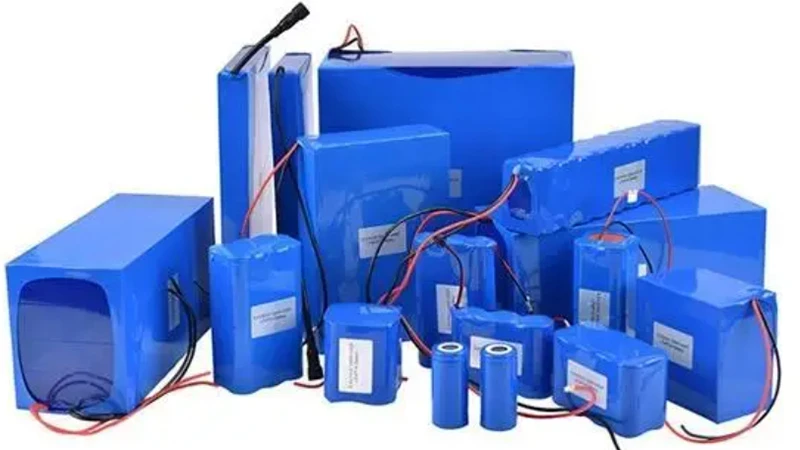
Not all lithium batteries use the same chemistry, and different lithium battery types are designed to meet specific performance, safety, and application requirements. The most common types include Lithium Iron Phosphate (LiFePO4), known for its excellent safety, long lifespan, and suitability for solar energy storage systems.
Lithium Nickel Manganese Cobalt (NMC), which offers higher energy density and is widely used in electric vehicles and portable electronics; and Lithium Titanate (LTO), valued for its ultra-fast charging capability and exceptionally long cycle life. Each chemistry has unique advantages and trade-offs in terms of energy density, thermal stability, charging speed, cost, and durability, making it important to select the right lithium battery type based on the intended application.
For solar energy storage, LiFePO4 batteries are generally considered the preferred choice due to their superior safety, reliability, and long-term performance.
Why Are Lithium Batteries Used in Solar Energy Storage?
Lithium batteries have become the preferred choice for solar energy storage systems because they offer significantly better performance, efficiency, and reliability than traditional lead-acid batteries. One of their biggest advantages is their long service life, with most lithium solar batteries lasting between 10 and 15 years, compared to only 3 to 5 years for lead-acid alternatives. In addition, lithium batteries achieve a round-trip efficiency of 95% to 98%, allowing homeowners and businesses to store and use more of the solar energy they generate. Their faster charging capability also enables them to capture and store energy more effectively during peak sunlight hours, maximizing the overall performance of a solar power system.
Another key benefit of lithium batteries is their higher usable capacity and low maintenance requirements. Most lithium batteries support an 80% to 100% depth of discharge (DoD), meaning a greater percentage of the battery’s stored energy can be utilized without affecting its lifespan. In contrast, lead-acid batteries are typically limited to around 50% DoD, reducing their usable energy capacity. Furthermore, lithium batteries require virtually no routine maintenance—there is no need for water refilling, equalization charging, or corrosion cleaning. These advantages make lithium batteries a cost-effective, convenient, and highly efficient solution for residential, commercial, and industrial solar energy storage applications.
Do Lithium Batteries Explode?
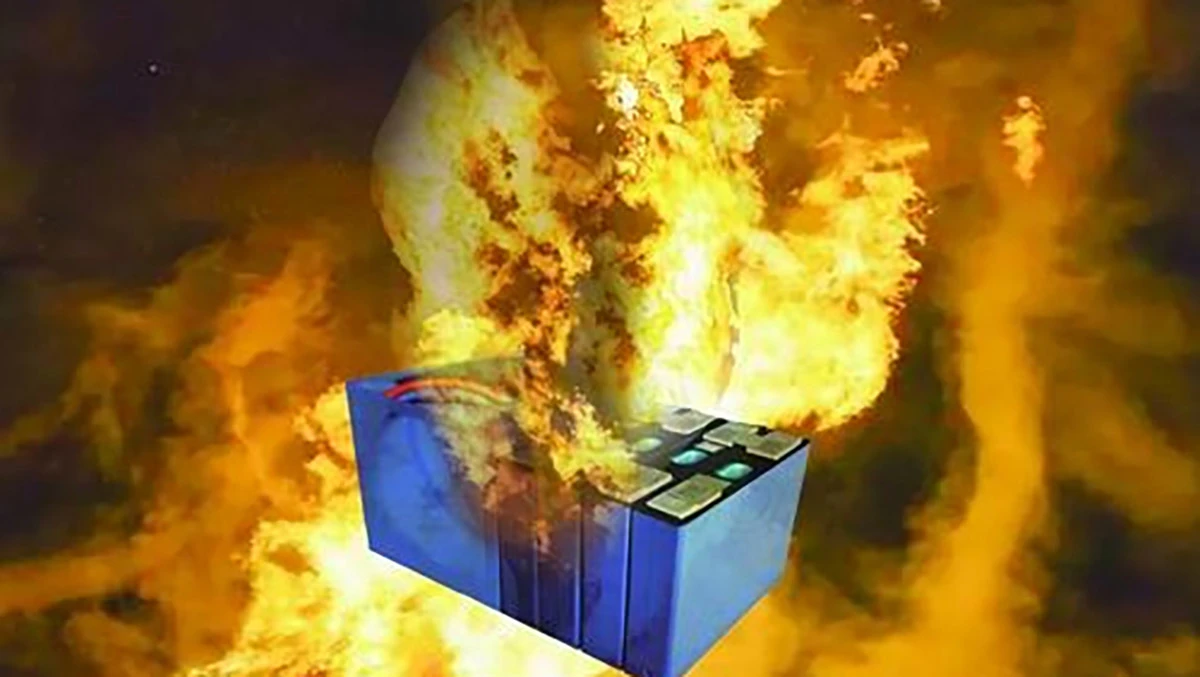
One of the most frequently asked questions about lithium solar batteries is whether they can explode. The short answer is yes, lithium batteries can explode under extreme conditions, but such incidents are relatively uncommon when high-quality batteries are properly manufactured, installed, and maintained. Modern lithium batteries used in solar energy storage systems are equipped with advanced safety features, including Battery Management Systems (BMS), temperature monitoring, and multiple layers of protection designed to minimize the risk of failure. As a result, the likelihood of a serious incident is very low when batteries are used according to manufacturer guidelines.
It is important to understand that not all battery failures are explosions. Many people use the word “explosion” to describe any battery-related accident, but there are several different types of battery failures. In some cases, a battery may experience venting, where built-up gases are safely released through pressure-relief mechanisms to prevent internal damage. Venting can produce odors, smoke, or hissing sounds, but it does not necessarily result in a fire or explosion. Another common failure mode is a battery fire, which occurs when excessive heat generated inside the battery triggers a chemical reaction known as thermal runaway.
A true battery explosion is much less common and occurs when gas pressure accumulates rapidly inside the battery enclosure and causes the casing to rupture violently. This type of event is typically associated with severe battery abuse, major manufacturing defects, physical damage, or extreme overheating. In reality, most lithium battery incidents involve overheating or fire rather than the dramatic explosions often portrayed in movies or media reports. With proper installation, adequate ventilation, regular maintenance, and the use of certified lithium batteries, particularly Lithium Iron Phosphate (LiFePO4) batteries, the risk of explosion can be significantly reduced, making lithium solar batteries one of the safest and most reliable energy storage technologies available today.
Why Do Lithium Batteries Catch Fire?
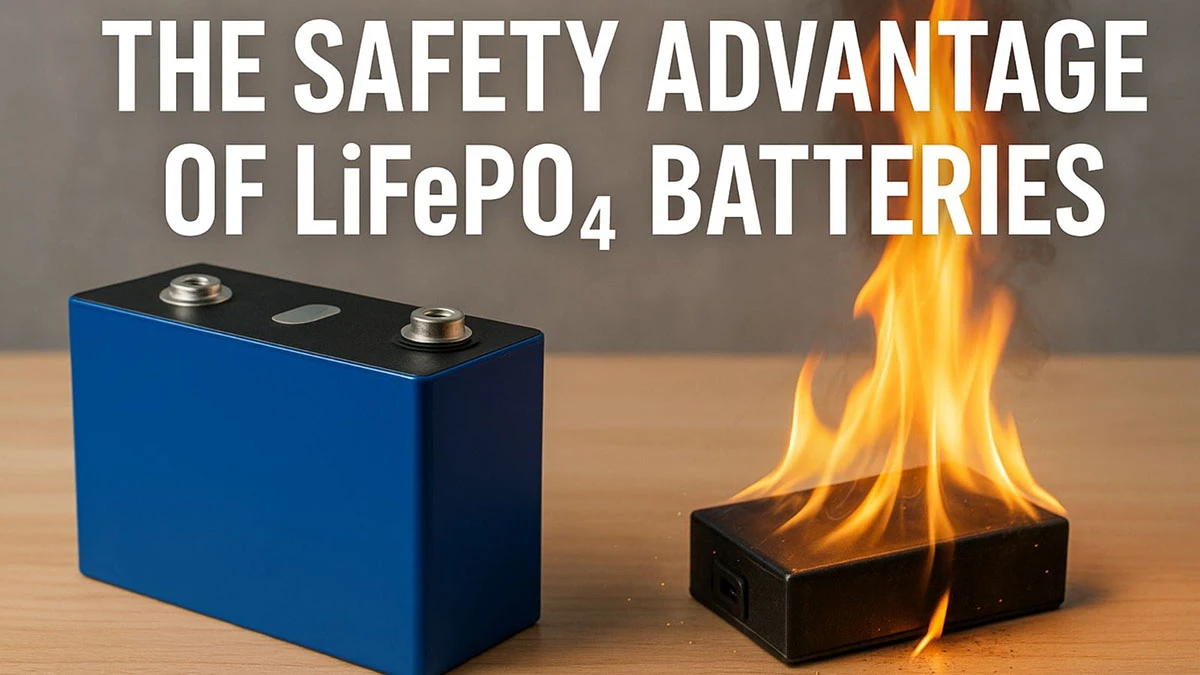
The primary cause of lithium battery fires is a phenomenon known as thermal runaway, a chain reaction that can occur when excessive heat builds up inside a battery cell. Under normal operating conditions, lithium batteries are designed to generate and dissipate heat safely. However, if the battery experiences overcharging, physical damage, manufacturing defects, internal short circuits, or exposure to extreme temperatures, the amount of heat produced may exceed the battery’s ability to release it. When this happens, the internal temperature begins to rise rapidly, creating conditions that can lead to battery failure and, in severe cases, fire.
During thermal runaway, the battery’s internal components start to break down as temperatures increase. This degradation accelerates chemical reactions inside the cell, generating even more heat and creating a self-sustaining cycle. As the process continues, temperatures can climb to several hundred degrees Celsius, causing flammable gases to be released and potentially ignited. Once thermal runaway reaches a critical stage, it becomes difficult to stop without specialized safety measures. Although thermal runaway is the leading cause of lithium battery fires, modern lithium solar batteries, especially Lithium Iron Phosphate (LiFePO4) batteries equipped with advanced Battery Management Systems (BMS), are specifically engineered to reduce this risk through continuous monitoring, temperature control, and automatic protection mechanisms.
What Is Thermal Runaway?
Thermal runaway occurs when heat generated inside the battery exceeds the battery’s ability to dissipate that heat. As temperature rises, Internal components begin to degrade, Chemical reactions accelerate, More heat is generated and the process becomes self-sustaining. Eventually, temperatures can exceed several hundred degrees Celsius. Once thermal runaway begins, fire may occur.
Common Causes of Lithium Battery Fires
Lithium battery fires can result from several factors, with overcharging being one of the most common causes. When a battery is charged beyond its recommended voltage limit, excessive heat can build up inside the cells, potentially damaging internal components and increasing the risk of thermal runaway.
Internal short circuits are another major cause and can occur due to manufacturing defects, contamination during production, or damage to the separator that normally keeps the positive and negative electrodes apart. Once the electrodes come into direct contact, a rapid release of energy and heat may occur, potentially leading to a fire.
External factors can also contribute significantly to lithium battery failures. Physical damage, such as crushing, puncturing, dropping, or improper transportation, can compromise the internal structure of battery cells and trigger dangerous reactions. In addition, prolonged exposure to high temperatures can accelerate battery degradation and increase fire risk.
The use of poor quality batteries from unreliable manufacturers may further elevate safety concerns, as these products often lack advanced protection features and quality control standards.
Finally, improper installation, including incorrect wiring, undersized cables, inadequate ventilation, or incompatible charging equipment, can create unsafe operating conditions. To minimize these risks, it is essential to use certified lithium batteries, follow manufacturer guidelines, and ensure professional installation and maintenance of solar energy storage systems.
Are LiFePO4 Batteries Safer?
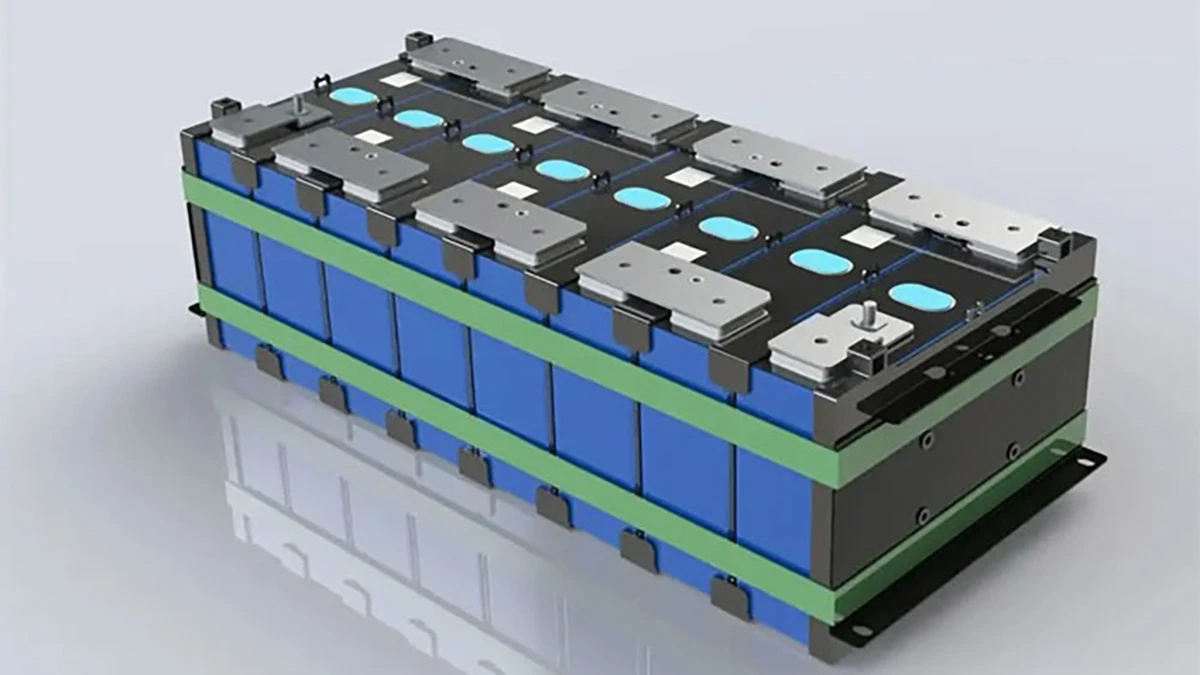
Yes, Lithium Iron Phosphate (LiFePO4) batteries are widely regarded as the safest lithium battery chemistry available today and have become the preferred choice for residential and commercial solar energy storage systems. Compared to other lithium-ion battery types, LiFePO4 batteries offer higher thermal stability, a lower risk of thermal runaway, and reduced oxygen release during overheating, significantly improving their overall safety performance.
They also provide a longer service life, excellent cycle durability, and greater resistance to overcharging, high temperatures, and other demanding operating conditions. Thanks to these safety and reliability advantages, LiFePO4 technology has become the industry standard for modern solar battery storage solutions, making it an ideal option for homeowners and businesses seeking a safe, long-lasting, and efficient energy storage system.
How to Prevent Lithium Battery Fire?
Although modern lithium batteries are designed with multiple safety features, proper installation, operation, and maintenance are essential for minimizing the risk of fire.
One of the most important steps is choosing high-quality batteries from reputable manufacturers that comply with internationally recognized safety standards such as UL 9540, UL 1973, IEC 62619, and CE certification. These certifications indicate that the battery has undergone extensive testing for electrical, thermal, and mechanical safety.
In addition, every lithium battery system should be equipped with a reliable Battery Management System (BMS), which continuously monitors and protects the battery against overcharging, over-discharging, overcurrent, overheating, and cell imbalance. A properly functioning BMS serves as the first line of defense against many common causes of battery failure.
Preventing overcharging and maintaining appropriate operating conditions are equally important for battery safety. Users should always utilize chargers, solar inverters, and energy management systems that are approved by the battery manufacturer. Incorrect charging settings can generate excessive heat and accelerate battery degradation, potentially leading to thermal runaway. Proper ventilation should also be provided to help dissipate heat and maintain stable operating temperatures. Lithium batteries should not be installed in enclosed spaces, areas exposed to direct sunlight, hot attics, or locations with poor airflow. For optimal performance and longevity, most lithium batteries operate best within a temperature range of 15°C to 35°C (59°F to 95°F).
Regular inspection and monitoring can further reduce fire risks and ensure long-term system reliability. Battery owners should periodically check for signs of swelling, physical damage, loose connections, unusual odors, or abnormal temperature increases. Inspecting cable conditions and reviewing Battery Management System status reports can help identify potential issues before they become serious problems.
For commercial and utility-scale Battery Energy Storage Systems (BESS), additional protection measures such as aerosol fire suppression systems, water mist systems, and clean agent fire suppression technologies are often integrated into the design. These advanced safety systems can detect and contain incidents at an early stage, helping prevent small issues from developing into major fire events. Together, these best practices significantly improve the safety and reliability of lithium solar battery installations.
Warning Signs of Lithium Battery Failure
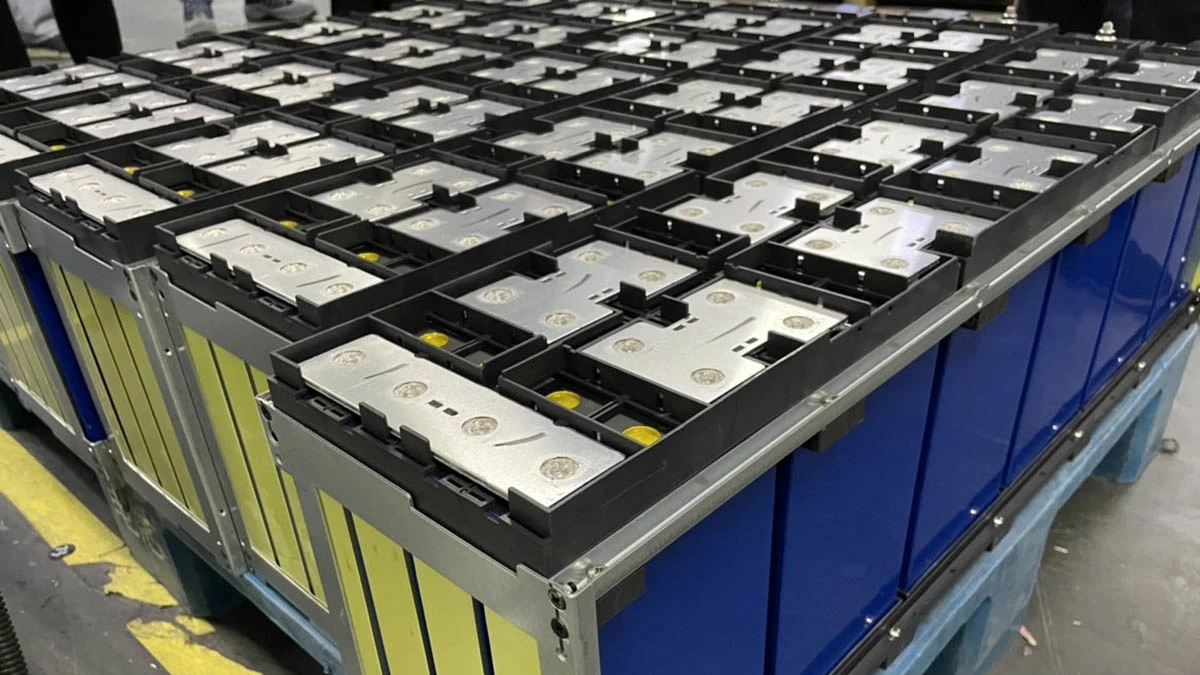
Recognizing the early warning signs of lithium battery failure is essential for preventing serious safety incidents and protecting both people and property. One of the most common indicators is battery swelling or bulging, which often suggests that gases are building up inside the battery due to internal chemical reactions or cell damage.
Another important warning sign is excessive heat. While lithium batteries naturally generate some heat during charging and discharging, a battery that becomes unusually hot to the touch or consistently operates at elevated temperatures should be inspected immediately. Excessive heat may indicate internal damage, overcharging, or the onset of thermal runaway.
Other warning signs should never be ignored. Strange chemical odors may signal electrolyte leakage or internal component degradation, while hissing or popping sounds can indicate that gases are being vented from the battery under pressure.
These sounds often occur when safety mechanisms are activated to relieve internal pressure and may precede more serious failures. The most critical warning sign is smoke, which indicates a potentially dangerous emergency requiring immediate action.
If any of these symptoms are observed, the battery should be disconnected from the system if it is safe to do so, the area should be evacuated if necessary, and professional assistance should be sought. Early detection and prompt response can significantly reduce the risk of fire, equipment damage, and personal injury.
What Should You Do If a Lithium Battery Catches Fire?
If a lithium battery catches fire, the most important priority is personal safety. Individuals should immediately move away from the affected area and ensure that everyone nearby is evacuated to a safe distance. Lithium battery fires can escalate rapidly and may release intense heat, flames, and hazardous gases. If it can be done safely without putting yourself at risk, disconnect the battery from any connected equipment or power sources to help reduce the flow of energy to the system. However, no attempt should be made to handle a burning or damaged battery directly, especially if there are visible flames, smoke, or signs of thermal runaway.
Once the area has been secured, contact local emergency services and follow the battery manufacturer’s emergency response guidelines whenever possible. Different lithium battery chemistries and energy storage systems may require specific firefighting and containment procedures. It is also important to avoid direct exposure to smoke, fumes, or gases released during a battery fire, as these emissions may contain toxic substances that can be harmful if inhaled. Maintain a safe distance from the affected battery until trained emergency responders arrive and determine that the situation is fully under control. Quick action, proper evacuation, and adherence to safety procedures can significantly reduce the risk of injury and property damage during a lithium battery fire incident.
How Do I Dispose of Lithium Batteries?
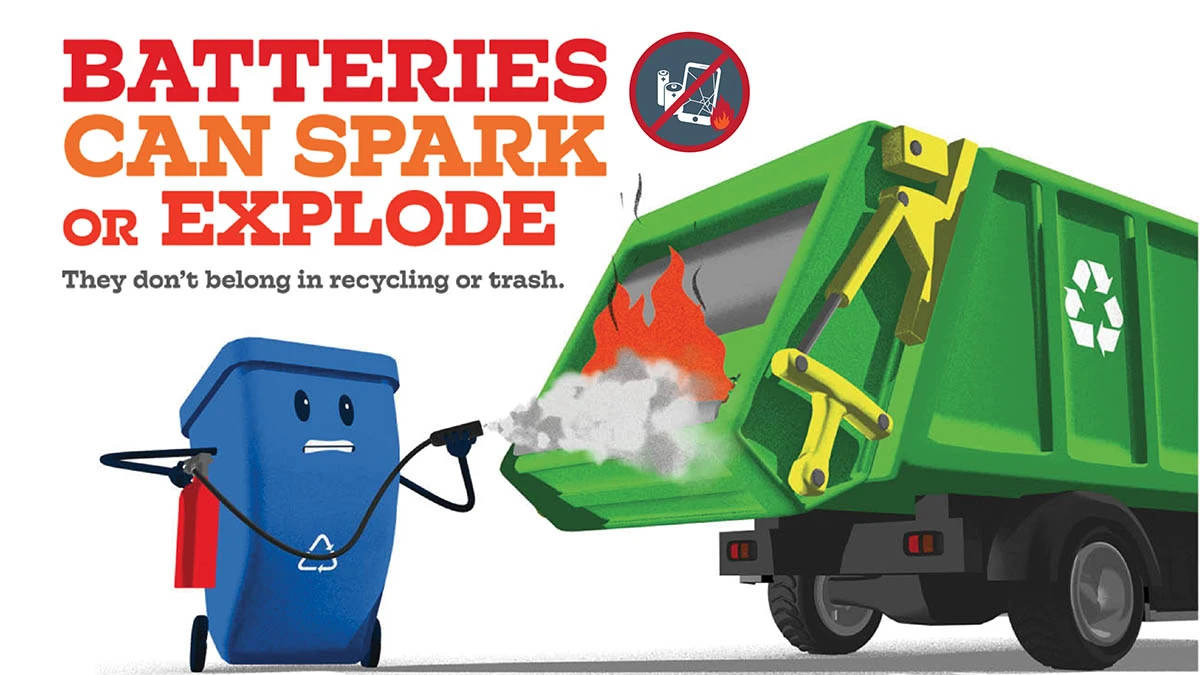
Lithium batteries should never be disposed of in household trash because improper handling can create serious safety and environmental risks. When discarded incorrectly, lithium batteries may be physically damaged or short-circuited, leading to fire hazards in waste collection systems, recycling facilities, or landfills.
In addition, they contain chemical materials that can leak into the environment, causing soil and water contamination and long-term ecological harm. Improper disposal may also violate local and international waste management regulations, potentially resulting in fines or legal consequences. For these reasons, lithium batteries must always be taken to certified recycling centers or designated electronic waste collection facilities to ensure safe and responsible processing.
How to Prepare Lithium Batteries for Disposal?
Proper preparation of lithium batteries before disposal is essential to ensure safe handling and transportation. Whenever possible, the battery should be discharged to a low charge level following the manufacturer’s recommendations, as a lower energy state reduces the risk of accidental heat generation or short circuits during storage and transit. However, batteries should never be fully damaged or forcefully discharged, as improper handling may create additional safety hazards. The goal is to place the battery in a stable, low-risk condition before moving it to a recycling or disposal facility.
In addition to discharging, it is important to secure the battery terminals using non-conductive tape to prevent accidental contact between positive and negative terminals, which could cause a short circuit. The battery should then be packaged securely in a durable, non-metal container that prevents movement, impact, or puncture during transportation. Proper cushioning materials can help reduce vibration and physical stress. These precautions significantly lower the risk of fire or damage during transport and ensure that lithium batteries can be safely delivered to certified recycling or hazardous waste facilities for responsible processing.
Where Can You Dispose of Lithium Batteries?
Lithium batteries should be disposed of only through authorized and specialized channels to ensure safety and environmental protection. One of the most common options is battery recycling centers, where dedicated programs are designed to safely collect, process, and recycle different types of batteries. In addition, many electronic waste (e-waste) collection facilities also accept lithium batteries as part of broader recycling initiatives for electronic devices and energy storage components. These facilities are equipped to handle hazardous materials properly and reduce the risk of fire or environmental contamination.
Another important disposal option is through solar installer take-back programs, where some battery manufacturers and solar energy providers offer recycling or return services for used energy storage systems. This ensures batteries are handled by professionals familiar with their design and safety requirements. Additionally, local hazardous waste facilities are widely available in many regions and are specifically designed to manage dangerous materials, including lithium batteries. Using these approved disposal channels helps ensure compliance with regulations, prevents environmental damage, and reduces safety risks associated with improper battery disposal.
Why Is Lithium Battery Recycling Important?
Lithium battery recycling is important because these batteries contain valuable and limited raw materials such as lithium, copper, aluminum, nickel, and cobalt, which can be recovered and reused in the production of new energy storage products.
By recycling lithium batteries, we not only reduce the need for environmentally damaging mining activities but also help conserve critical resources that are essential for the global transition to clean energy. In addition, proper recycling significantly reduces the risk of environmental pollution and prevents used batteries from ending up in landfills, where they could potentially be damaged and cause fire hazards. Therefore, lithium battery recycling plays a key role in promoting both environmental sustainability and energy safety.
Lithium solar batteries have become the backbone of modern energy storage systems. Their long lifespan, high efficiency, low maintenance requirements, and compatibility with renewable energy make them the preferred solution for residential, commercial, and industrial applications.
While lithium batteries can catch fire or fail under extreme conditions, modern safety technologies such as Battery Management Systems, advanced battery chemistries, and proper installation practices have significantly reduced these risks.
By understanding how lithium batteries work, recognizing warning signs of failure, implementing proper fire prevention measures, and following responsible disposal practices, users can safely benefit from one of the most important energy storage technologies of the 21st century.
Whether you are a homeowner installing solar panels, a business investing in battery energy storage, or a contractor designing renewable energy projects, lithium batteries will remain a key component of the global transition toward a cleaner and more sustainable energy future.
Are you looking for a reliable supplier for lithium solar battery storage systems? JSBESS, a Guangzhou China based original supplier for BESS lithium solar battery systems, supplies OEM & ODM private label LiFePO₄ battery systems, compatible with Victron, Deye, Growatt, SMA, and Huawei, ideal for household homes, apartments, hotels, office buildings, and the other residential and commercial areas. Contact us today for a full lithium solar battery system catalog, pricing, and project-specific ROI analysis for your market.
If you would like to know more about lithium solar battery energy storage system installation and wiring, please refer to Lithium Solar System Guide (2026): Sizing, Wiring & Best Solar Battery Technologies.
Most lithium solar batteries last 10–15 years and can achieve 4,000–8,000 charge cycles.
Yes. Modern LiFePO4 batteries are among the safest battery technologies available.
In rare cases, improper charging, damage, or manufacturing defects can cause battery failure.
Overcharging, internal short circuits, physical damage, and overheating are the most common causes.
Lithium Iron Phosphate (LiFePO4) batteries are generally considered the safest lithium chemistry.
Yes. Valuable materials can be recovered and reused in new products.
A visual inspection every few months and annual professional inspections are recommended.
Extreme cold can temporarily reduce performance and charging efficiency.
Look for UL 9540, UL 1973, IEC 62619, CE, and other relevant certifications.
For most solar energy storage applications, lithium batteries offer superior lifespan, efficiency, and overall value.