
Why Choosing the Right Solar Inverter in Kenya Is Critical in 2026?
Kenya has become one of the most dynamic solar markets in Africa, driven by rising electricity tariffs, recurring grid outages, expanding rural electrification, and rapid growth in lithium battery adoption. In 2026, selecting the right solar inverter is no longer a minor technical detail, it is a strategic investment decision that directly affects system efficiency, power stability, and long-term financial returns. A poorly chosen inverter can limit energy production, reduce battery performance, and shorten overall system lifespan, while a high-quality inverter can significantly improve energy independence and cost savings.
In this comprehensive guide, we review the top 10 best solar inverter brands in Kenya, compare prices, explain how to choose the right battery, and answer the most frequently asked questions Kenyan buyers usually search for.
Note: The brands listed are not ranked in any particular order.
Disclaimer: The company names, founding dates, and addresses are sourced from publicly available information online.
Please note: The list in this guide is not exhaustive. There may be other reputable solar inverter brands worth considering.
The List of Top 10 Best Solar Inverter Brands in Kenya 2026
Below is the list of the top 10 best solar inverter brands in Kenya with their company names, HQ locations, Year Founded, company websites, solar battery ranges, Certifications, Awards and their main markets. The following solar inverter brands are widely recognized across Kenya for reliability, safety, and long-term performance in tropical climates.
1. Huawei Inverter
One of The Top 10 Best Solar Inverter Brands in Kenya.


Huawei solar inverters, marketed under its Digital Power division, are positioned as premium smart energy solutions in Kenya solar market. Known for high conversion efficiency (often above 98%), advanced AI-powered arc fault protection, and seamless integration with lithium battery systems such as the LUNA series, Huawei inverters are widely adopted for residential and commercial hybrid installations.
In Kenya, Huawei hybrid inverters are particularly valued for their reliability during voltage fluctuations and blackouts. The systems support fast backup switching, intelligent energy management, and scalable battery expansion, making them ideal for urban homes in Nairobi as well as commercial projects in Mombasa and industrial zones across the country.
| Main Module Types | String inverters, Hybrid inverters (LUNA-ready), Utility-scale inverters |
| Key Certifications | IEC, CE, TÜV, UL, ISO 9001, ISO 14001 |
| Awards | Multiple global “Top Inverter Brand” rankings; BloombergNEF Tier 1 recognition (solar segment) |
| Main Export Markets | Europe, Africa (Kenya, South Africa), Asia-Pacific, Latin America |
2. SMA Solar Technology
One of The Top 10 Best Solar Inverter Brands in Kenya.
SMA Solar Technology AG is one of the most established and respected inverter manufacturers globally, known for German engineering, durability, and long-term reliability. Founded in 1981, SMA has decades of experience in grid-tied, hybrid, off-grid, and large-scale utility inverter solutions. In Kenya, SMA is often selected for premium residential systems, commercial buildings, NGOs, schools, and mission-critical installations where reliability is essential.
| Main Module Types | String inverters, Hybrid inverters, Off-grid inverters, Utility-scale central inverters |
| Key Certifications | IEC, CE, TÜV Rheinland, UL, ISO 9001 |
| Awards | German Innovation Awards; Global Top Brand PV Inverter recognitions |
| Main Export Markets | Europe, North America, Africa, Australia |
3. Fronius Solar
One of The Top 10 Best Solar Inverter Brands in Kenya.

Fronius International GmbH is a premium European solar inverter manufacturer known for high-quality engineering, advanced monitoring capabilities, and long operational lifespan. Founded in 1945 in Austria, Fronius has built a strong global reputation through its residential and commercial inverter lines such as the Primo, Symo, and GEN24 hybrid series. For Kenyan users prioritizing quality, system transparency, and long-term investment security, Fronius remains a top-tier inverter choice.
| Main Module Types | String inverters, Hybrid inverters (GEN24 series) |
| Key Certifications | IEC, CE, TÜV, UL, ISO 9001 |
| Awards | Red Dot Design Awards; Top Brand PV Europe |
| Main Export Markets | Europe, Australia, Africa, North America |
4. Growatt Inverter
One of The Top 10 Best Solar Inverter Brands in Kenya.
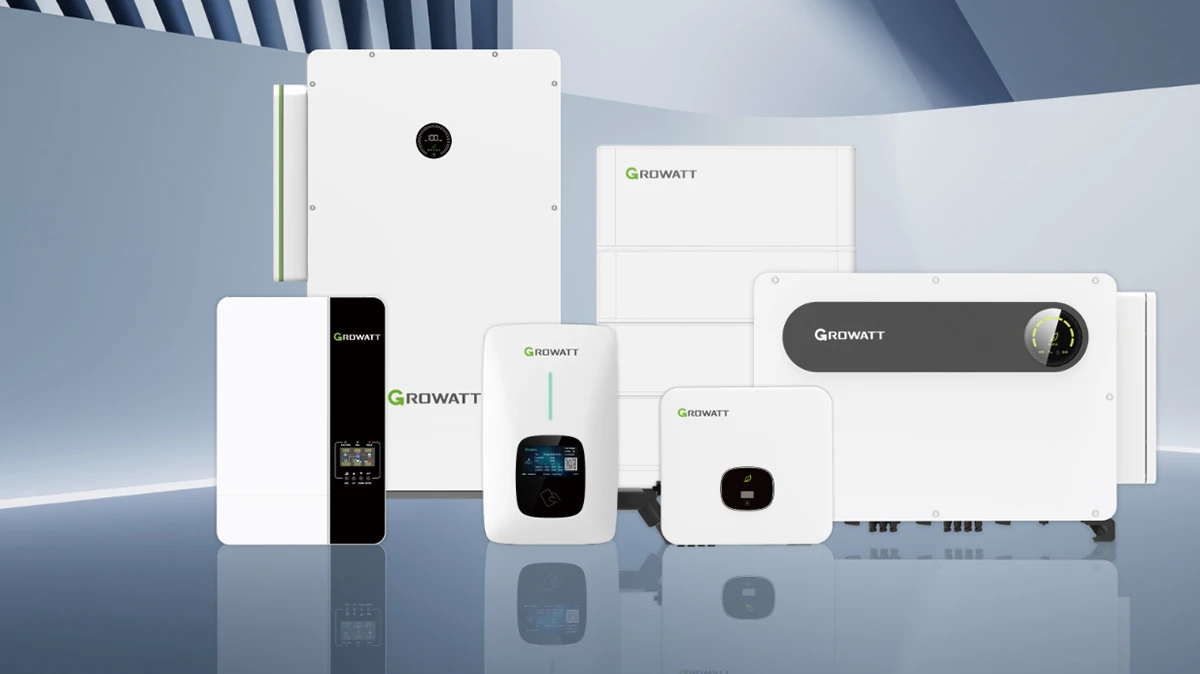
Growatt is one of the fastest-growing solar inverter brands globally and has become particularly popular in Kenya due to its competitive pricing, strong hybrid functionality, and wide product range. Founded in 2010, Growatt specializes in residential, commercial, and off-grid inverters, including well-known series such as MIN, MOD, SPH, and the battery-ready hybrid models.
In the Kenyan market, Growatt inverters are widely chosen for hybrid installations that combine solar panels with lithium battery storage. They offer good compatibility with major battery brands, flexible system expansion, and reliable performance under grid fluctuations and intermittent power supply conditions.
| Main Module Types | String inverters, Hybrid inverters (SPH, MOD, MIN series), Off-grid inverters |
| Key Certifications | IEC, CE, TÜV, UL, ISO 9001 |
| Awards | Global Top 10 Inverter Supplier (various industry rankings) |
| Main Export Markets | Africa, Europe, Southeast Asia, Latin America |
5. Solis Inverters
One of The Top 10 Best Solar Inverter Brands in Kenya.
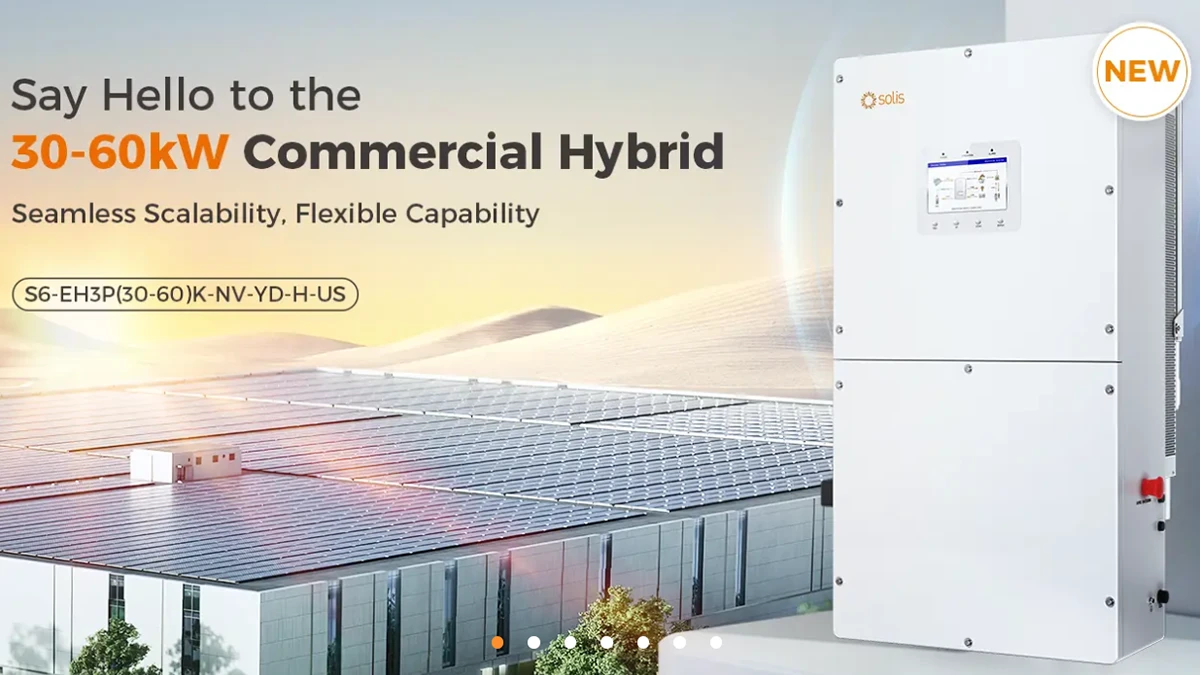
Ginlong (Ningbo) Technologies Co., Ltd., widely known under the Solis brand, is one of the most established global manufacturers of string solar inverters. Founded in 2005, Solis has built a strong reputation for reliable grid-tied and hybrid inverter solutions designed for residential, commercial, and utility-scale applications.
In Kenya, Solis has gained significant traction due to its competitive pricing and solid performance under varying grid conditions. The brand is particularly popular in residential grid-tied and hybrid systems where affordability and stability are key priorities.
| Main Module Types | String inverters, Hybrid inverters, Utility-scale inverters |
| Key Certifications | IEC, CE, TÜV, UL, ISO 9001 |
| Awards | Global Top PV Inverter Brand recognitions |
| Main Export Markets | Europe, Africa, India, North America |
6. Sungrow Power
One of The Top 10 Best Solar Inverter Brands in Kenya.

Sungrow Power Supply Co., Ltd. is one of the world’s largest and most bankable inverter manufacturers, with a strong presence in residential, commercial, and utility-scale solar markets. Founded in 1997, Sungrow has built a reputation for technological innovation, high conversion efficiency (often exceeding 98%), and large-scale project expertise.
In Kenya, Sungrow is particularly strong in commercial and industrial (C&I) projects as well as large rooftop and utility installations. Its hybrid and battery-compatible models are also gaining popularity among businesses seeking backup power and improved energy independence.
| Main Module Types | String inverters, Hybrid inverters, Central inverters, Utility-scale solutions |
| Key Certifications | IEC, CE, TÜV, UL, ISO 9001, ISO 14001 |
| Awards | BloombergNEF Tier 1; Global Leading Inverter Supplier rankings |
| Main Export Markets | Europe, Middle East, Africa, Americas |
7. Victron Energy
One of The Top 10 Best Solar Inverter Brands in Kenya.

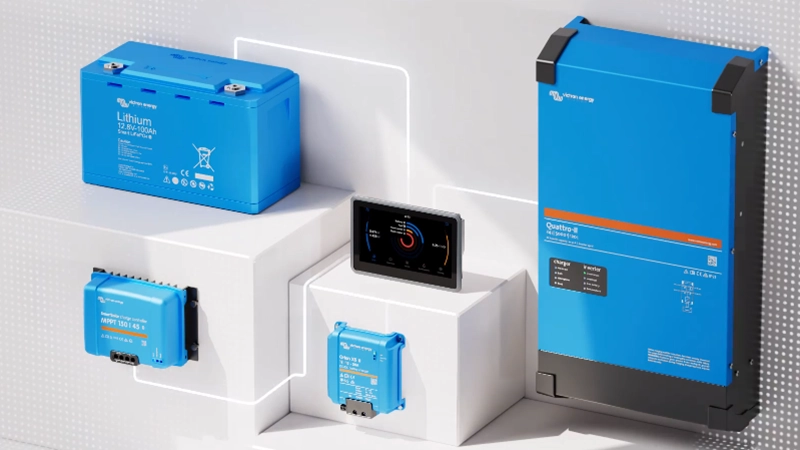
Victron Energy B.V. is a Netherlands-based manufacturer specializing in off-grid, hybrid, and energy storage power solutions. Founded in 1975, Victron is widely respected for its high-reliability inverter/chargers such as the MultiPlus and Quattro series, which are designed for demanding environments including remote homes, farms, telecom sites, marine systems, and backup power applications.
In Kenya, Victron Energy is particularly popular in rural electrification projects, agricultural operations, lodges, and NGO installations where stable off-grid performance is essential. The brand is known for durability, modular system design, and compatibility with a wide range of lithium and lead-acid batteries.
| Main Module Types | Off-grid inverters, Hybrid inverter/chargers (MultiPlus, Quattro), ESS systems |
| Key Certifications | CE, IEC, ISO 9001 |
| Awards | Marine and off-grid power innovation awards |
| Main Export Markets | Europe, Africa, Australia, Marine markets worldwide |
8. Sunsynk Inverter
One of The Top 10 Best Solar Inverter Brands in Kenya.
Sunsynk Ltd is a UK-based solar inverter brand known for its versatile hybrid inverter solutions designed for residential and small commercial applications. Established in 2008, Sunsynk has gained international recognition for producing battery-ready inverters that integrate seamlessly with lithium storage systems. In Kenya, Sunsynk has become increasingly popular for hybrid solar installations due to its flexibility, competitive pricing, and strong compatibility with various lithium battery brands.
| Main Module Types | Hybrid inverters, Battery-ready systems |
| Key Certifications | IEC, CE, G98/G99 (UK compliance), ISO standards |
| Awards | UK Renewable Energy recognition awards |
| Main Export Markets | UK, South Africa, Kenya, Europe |
9. GoodWe Inverter
One of The Top 10 Best Solar Inverter Brands in Kenya.


GoodWe Technologies Co., Ltd. is a globally recognized solar inverter manufacturer specializing in residential, commercial, and hybrid energy storage solutions. Founded in 2010 and headquartered in Suzhou, China, GoodWe has built a strong reputation for producing high-efficiency string and hybrid inverters with advanced safety features and intelligent energy management systems.
In Kenya, GoodWe inverters are increasingly chosen for residential hybrid systems and small commercial projects where stable performance and battery compatibility are essential. The brand supports integration with major lithium battery manufacturers and offers flexible configuration options for both single-phase and three-phase systems.
| Main Module Types | String inverters, Hybrid inverters (ET, ES, EM series), Commercial inverters |
| Key Certifications | IEC, CE, TÜV, UL, ISO 9001 |
| Awards | Global Top PV Inverter Brand awards |
| Main Export Markets | Europe, Africa, Asia-Pacific, South America |
10. Deye Inverter
One of The Top 10 Best Solar Inverter Brands in Kenya.

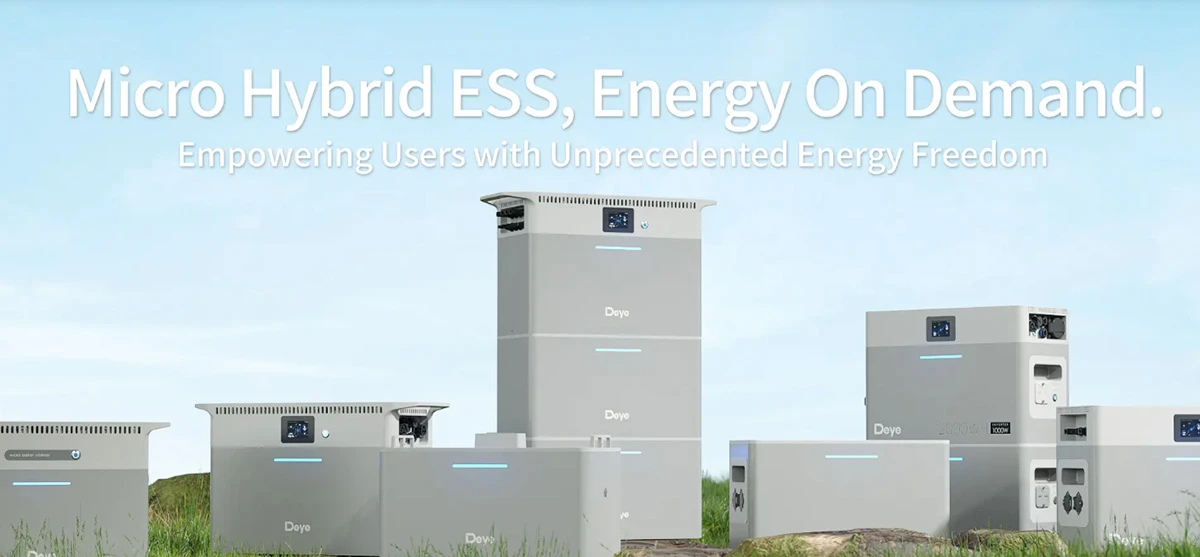
Ningbo Deye Inverter Technology Co., Ltd. is a rapidly expanding global inverter brand known for its strong hybrid and off-grid product portfolio. Founded in 2007 and headquartered in Ningbo, China, Deye specializes in single-phase and three-phase hybrid inverters that support solar generation, battery storage, grid interaction, and generator backup within one integrated platform.
In Kenya, Deye inverters have gained significant popularity due to their competitive pricing and powerful hybrid functionality. They are commonly installed in residential homes, small businesses, and light commercial projects where energy independence and backup reliability are priorities.
| Main Module Types | String inverters, Hybrid inverters (ET, ES, EM series), Commercial inverters |
| Key Certifications | IEC, CE, TÜV, UL, ISO 9001 |
| Awards | Global Top PV Inverter Brand awards |
| Main Export Markets | Europe, Africa, Asia-Pacific, South America |
How to Choose the Best Solar Inverter in Kenya?

Choosing the best solar inverter in Kenya requires balancing technical performance, future expansion plans, and local operating conditions. First, match the inverter’s kW rating to your total solar panel capacity and household or business load demand to avoid under-sizing or overloading the system. If you plan to install lithium battery storage now or in the future, selecting a hybrid inverter ensures seamless integration and avoids costly upgrades later.
Efficiency is also critical, look for inverters with peak efficiency of 97% or higher to maximize energy conversion and reduce long-term losses. Warranty coverage is another key indicator of reliability: standard models typically offer 5 years, while premium brands provide 10 years or more, reflecting stronger build quality and manufacturer confidence.
Kenya’s climate and grid conditions also play a major role in inverter selection. High ambient temperatures require inverters with strong cooling systems and proper ventilation design to maintain performance and longevity. Voltage fluctuations and frequent outages make stable grid support and fast switching capabilities especially valuable.
Smart monitoring features via mobile apps or web portals allow users to track generation, battery levels, and consumption in real time, improving energy management and fault detection. Finally, always choose brands with established Kenyan distributors or technical partners to ensure reliable after-sales support, warranty service, and spare parts availability for long-term peace of mind.
Hybrid vs Off-Grid vs On-Grid: Which Is Best in Kenya?
In Kenya’s 2026 solar market, hybrid inverters are increasingly becoming the preferred option for most urban homeowners. A hybrid system combines solar panels, battery storage, and grid connection into one intelligent platform.
This allows households to use solar power during the day, store excess energy in lithium batteries, and automatically switch to backup mode during blackouts. With rising electricity tariffs and frequent grid interruptions in cities like Nairobi and Mombasa, hybrid inverters provide both energy savings and power security, making them the most flexible and future-ready solution.
Off-grid systems remain the best choice for rural homes, farms, and remote areas where grid access is unavailable or highly unreliable. These systems operate independently using solar panels and battery storage without relying on utility supply. Meanwhile, traditional on-grid (grid-tie) inverters are still suitable in areas with stable electricity, as they are generally more affordable and efficient for daytime consumption.
However, they do not provide backup during power outages, which limits their practicality in many parts of Kenya. For users seeking energy independence and blackout protection, hybrid systems are now the most balanced and widely recommended option.
Solar Inverter Prices in Kenya 2026
Solar inverter prices in Kenya in 2026 vary depending on system size, technology type, and brand reputation. For smaller residential installations, 3kW–5kW on-grid inverters typically range from KSh 80,000 to 180,000, making them the most affordable option for urban homes focused on reducing daytime electricity bills.
A 5kW hybrid inverter, which supports both grid connection and battery storage, generally costs between KSh 150,000 and 350,000 depending on features and brand quality. Larger 8kW–12kW hybrid systems suitable for bigger homes or small businesses usually range from KSh 300,000 to 650,000, while off-grid inverters designed for rural or remote installations typically fall between KSh 120,000 and 400,000.
Installation costs are separate and can add approximately KSh 20,000 to 100,000, depending on wiring complexity, system size, battery integration, and location. Although hybrid systems require a higher upfront investment compared to basic on-grid models, they offer superior blackout protection, battery readiness, and long-term scalability. For many Kenyan households facing rising electricity tariffs and frequent outages, the added flexibility and backup reliability of hybrid inverters often justify the higher initial cost over the system’s lifetime.
Are you looking for a reliable solar inverter supplier for Kenya? JSBESS, a Guangzhou China based original supplier for BESS lithium solar battery energy storage systems and solar inverters, supplies OEM & ODM private label LiFePO₄ battery systems, compatible with Victron, Deye, Growatt, SMA, and Huawei, ideal for household homes, commercial, industrial, telecom, and large solar projects. Contact us today for a full solar inverter and solar lithium battery catalogs, pricing, and project-specific ROI analysis for Kenya market.
If you would like to know more about the lithium solar battery brands in Kenya, please refer to The Top 10 Best Lithium Solar Battery Brands in Kenya 2026.
Huawei, SMA, and Fronius lead premium installs, while Growatt and Deye dominate value systems.
KSh 150,000–350,000 depending on type.
Victron and hybrid-capable brands.
Yes, due to frequent outages.
8 to 15 years on average.
Yes, with proper load control.
Typically 5–8kW.
Huawei, Growatt, Sunsynk, GoodWe, Deye.
Lower-end units may lack long-term durability.
Authorized distributors and certified installers.